
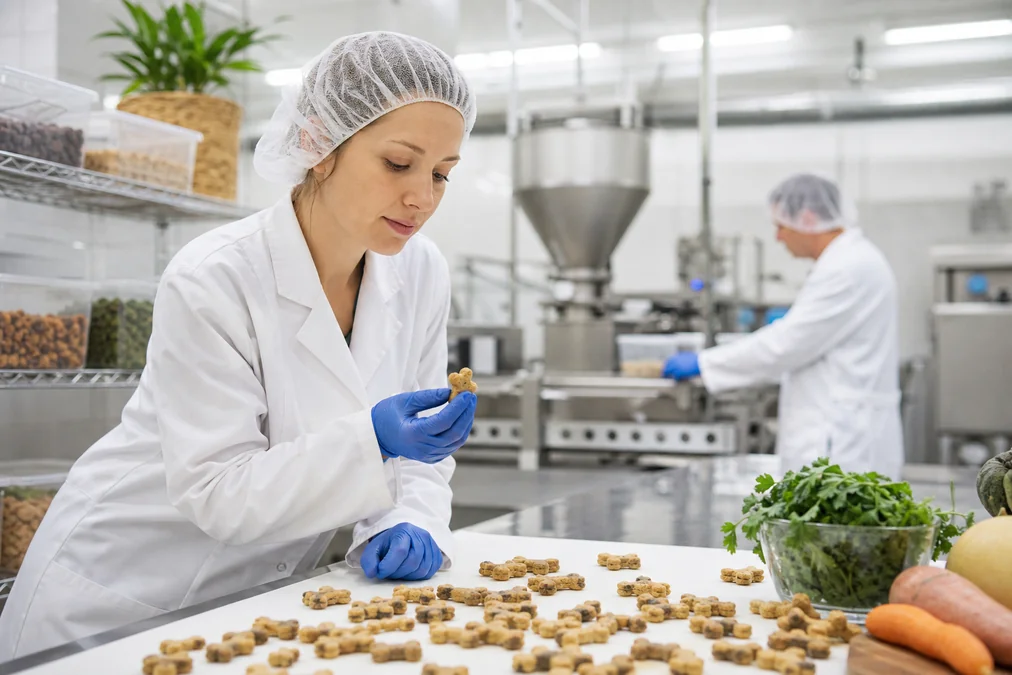
Who Makes Good Lovin?
Good Lovin is a widely recognized pet brand sold through major retailers. Here is what we know about who makes the chews and how the lineup is built.
Best sellers
Popular Good Lovin Listings
Representative chews that show the brand's range—from classic protein sticks to digestible rawhide alternatives.
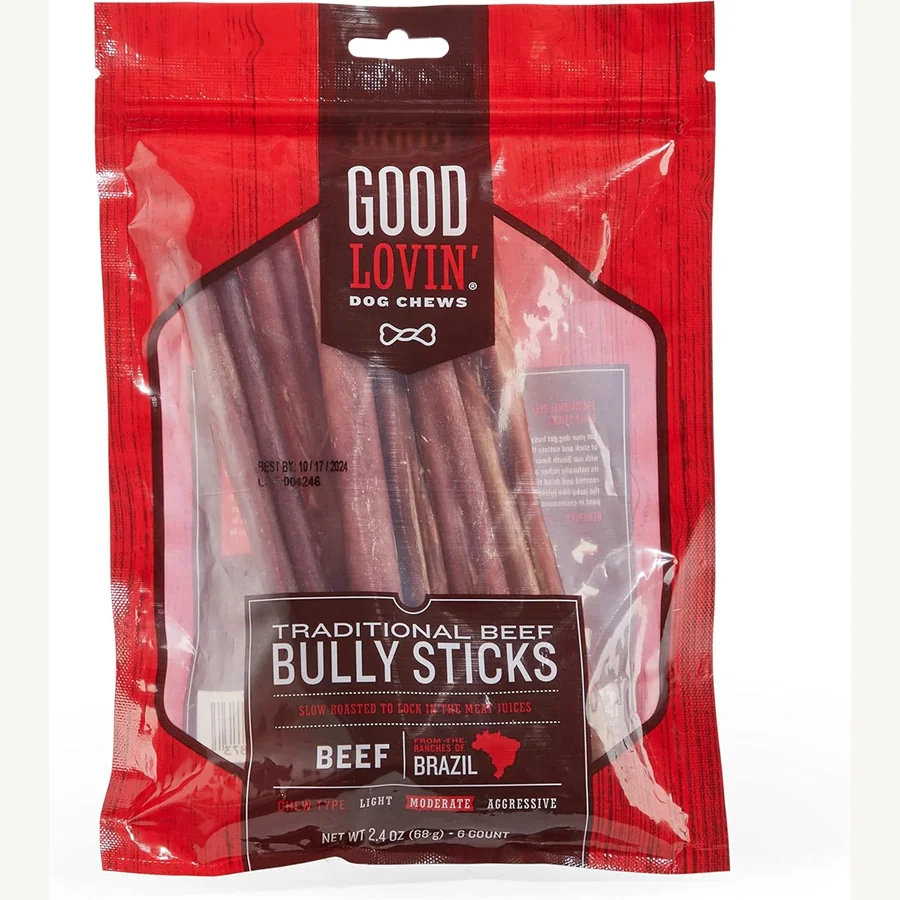
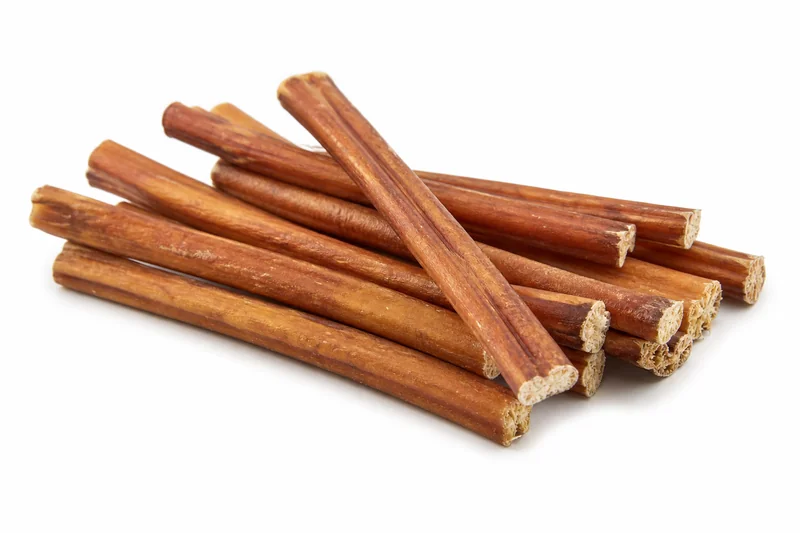
Traditional Bully Sticks 6-Pack
Six slow-roasted grass-fed bully sticks that give moderate chewers a protein-packed gnaw session with dental support.
Check Price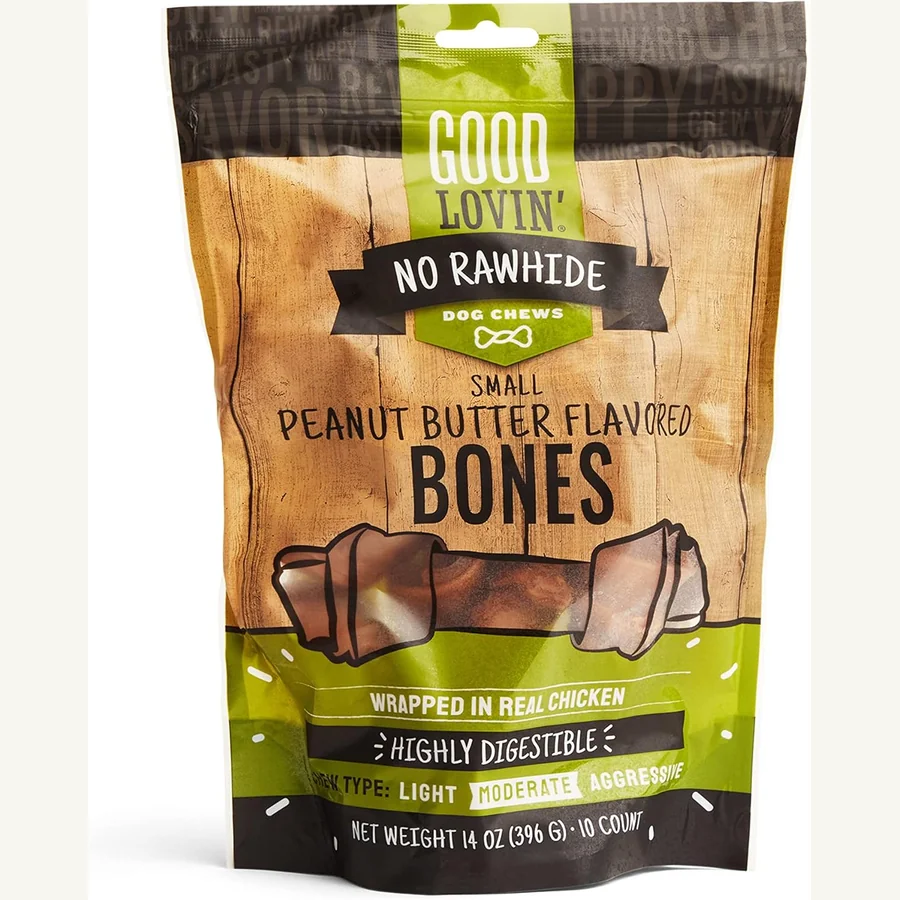
No-Rawhide Peanut Butter Bones
Ten small peanut-butter bones with no traditional rawhide—flavor-forward chews picky dogs finish without heavy fillers.
Check Price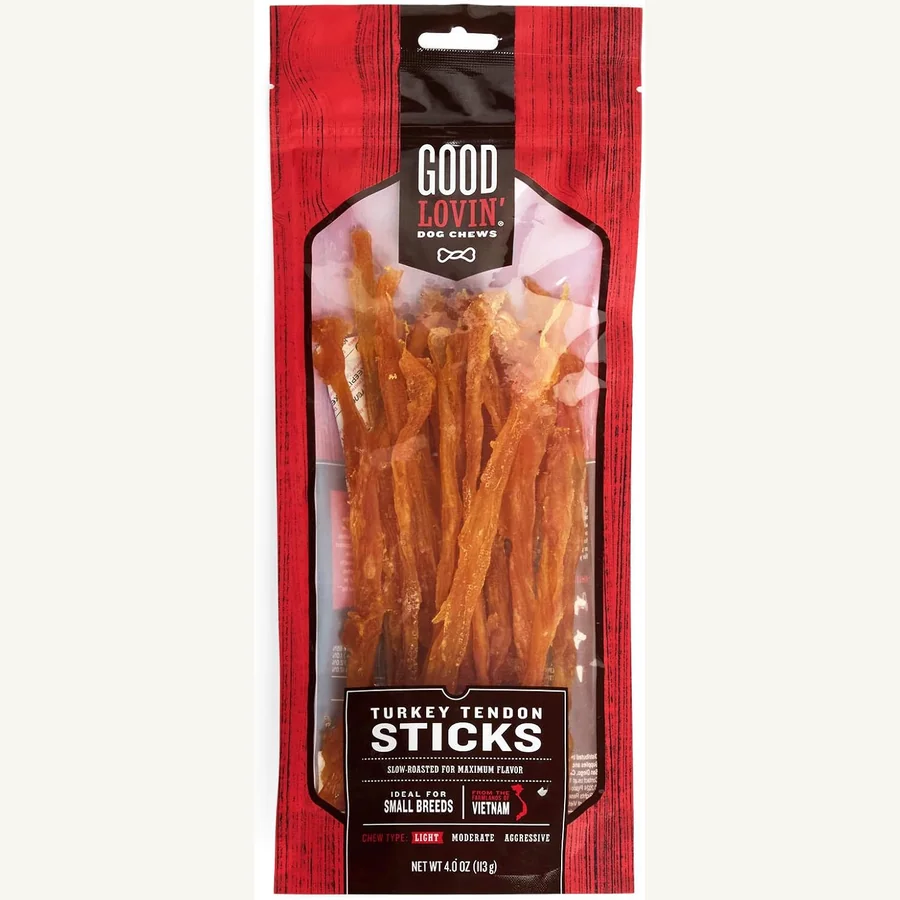
Turkey Tendon Sticks
Lean turkey tendon strips with vegetable glycerin—ideal for dogs that prefer lighter protein chews over heavy grease.
Check Price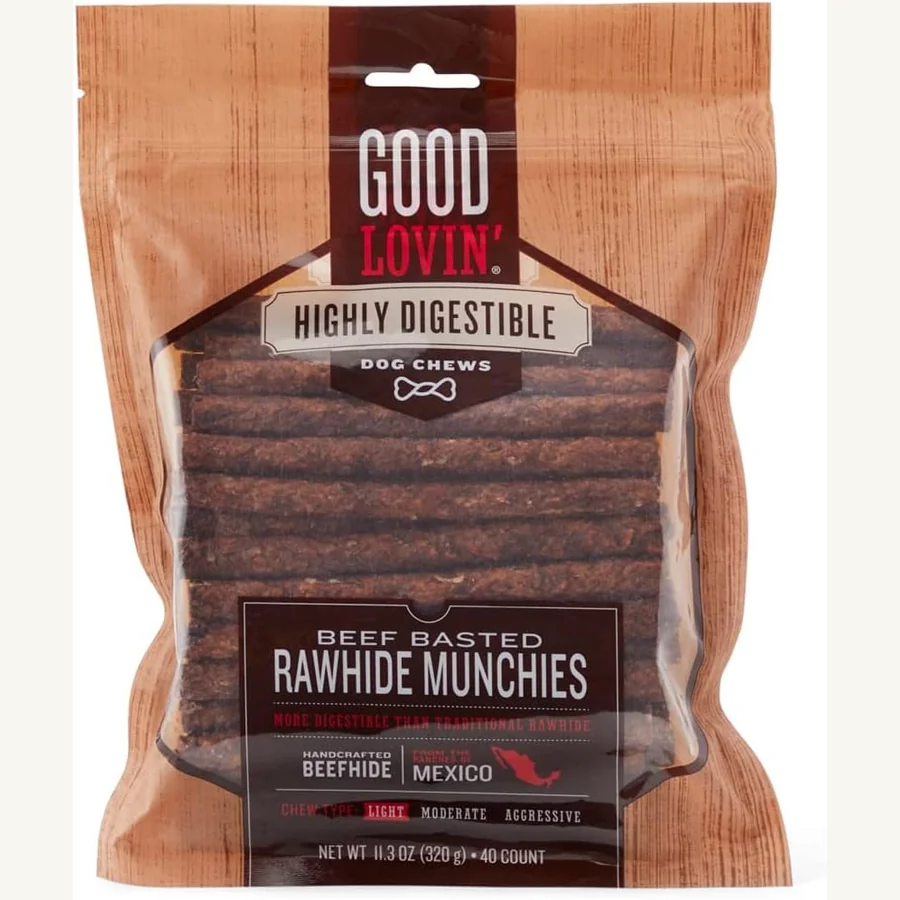
Beef Basted Rawhide Munchies
Forty beef-basted rawhide munchies for quick reward sessions—compact size suits training breaks between long chews.
Check PriceRelated picks
Popular Good Lovin picks
Five chews that represent the brand's range—from classic protein sticks to digestible alternatives.
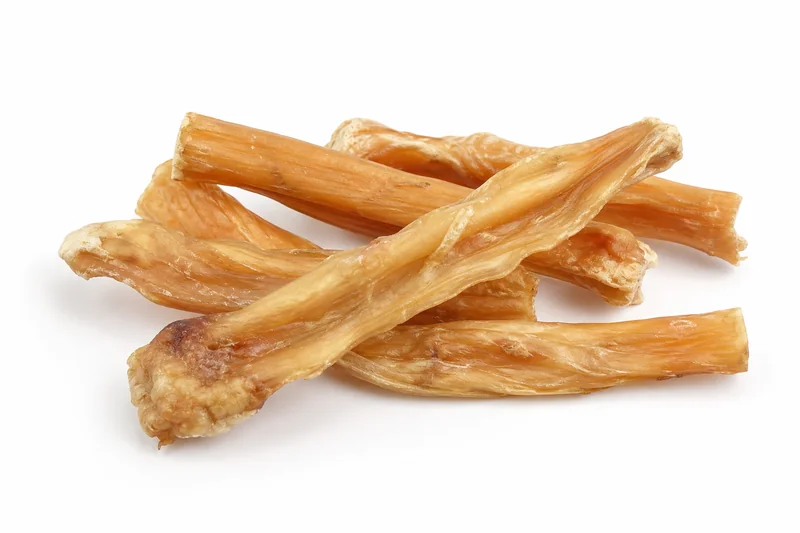
Turkey Tendons
Lean protein strips that satisfy light to moderate chewers without heavy grease.
Learn More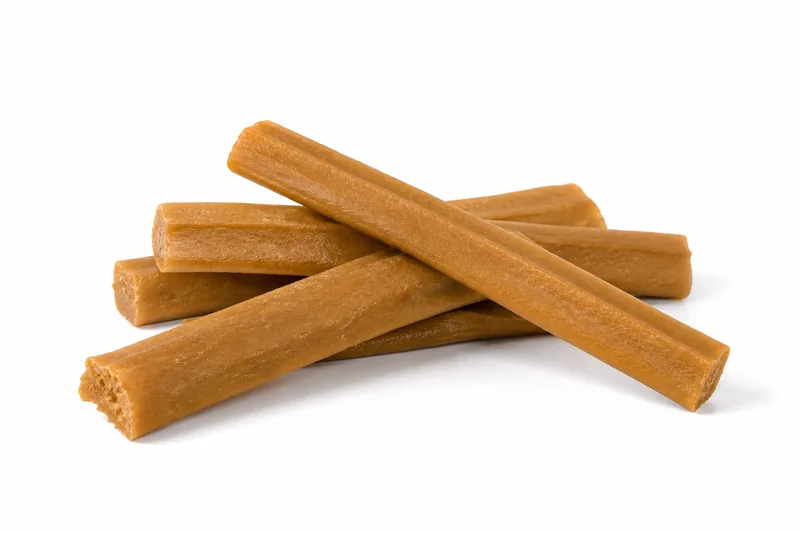
Peanut Butter Chews
Flavor-forward treats that keep picky dogs engaged through longer chew time.
Learn More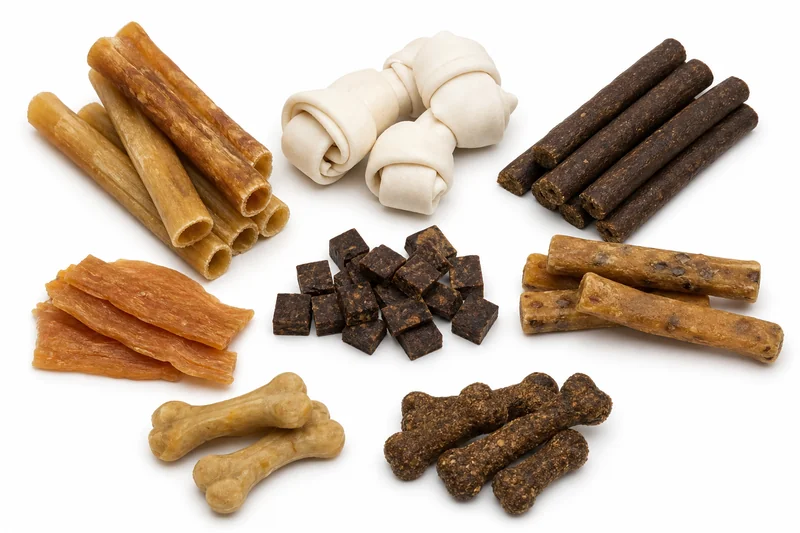
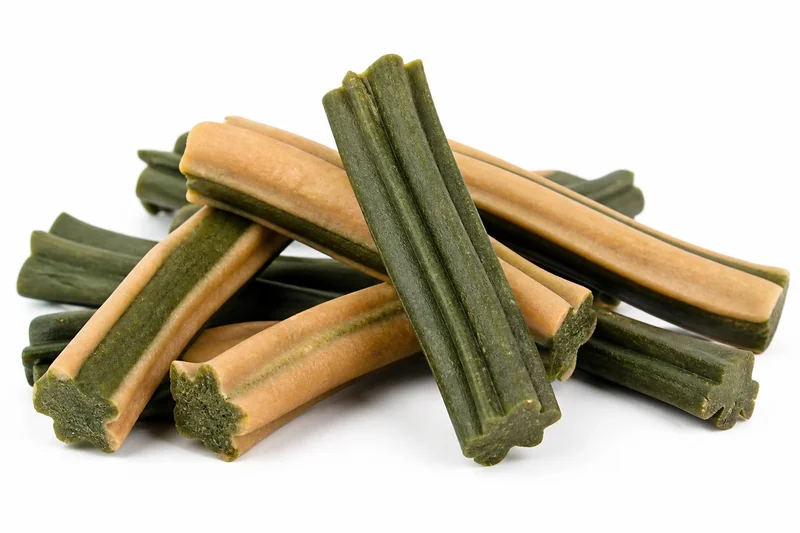
No-Rawhide Chews
Plant and collagen alternatives for owners avoiding traditional rawhide.
Learn MoreBrand overview
Good Lovin sits in the mainstream natural pet aisle alongside other trusted chew brands. The name signals approachable, protein-forward treats rather than boutique limited runs. You will find the line at big-box pet stores, grocery chains with pet sections and online marketplaces nationwide.
The brand focuses on satisfying a dog's instinct to gnaw while offering formats owners recognize: rolled rawhide alternatives, single-ingredient bully sticks, flavored collagen wraps and assorted puppy starters. That breadth makes Good Lovin a first stop for households upgrading from basic biscuits.
Manufacturing context
Like many national pet labels, Good Lovin products are produced through contracted manufacturing partners that specialize in dehydrated proteins and molded chews. Facilities follow USDA-inspected processing for animal-derived ingredients and maintain lot tracking for quality recalls.
Exact plant locations vary by SKU and may shift as supply chains evolve. What stays consistent is retail packaging that lists country of origin, ingredient order and guaranteed analysis—always read the bag you are holding rather than relying on memory from an older purchase.
Product philosophy
Good Lovin emphasizes palatability plus duration. Chews must smell appealing the moment the bag opens and last long enough to justify the price per session. That is why the catalog mixes quick treats with marathon shapes like trachea and thick collagen braids.
No-rawhide lines address owners who want digestible bases without traditional hide. Vegetable and collagen cores wrapped in chicken appeal to sensitive dogs while still feeling substantial in hand.
Retail presence
Availability is a strength. Good Lovin benefits from shelf space in stores where pet parents already buy food, leashes and litter. Seasonal endcaps often feature value packs—watch sizing on multi-packs to ensure every chew suits your dog.
If a specific shape disappears locally, online inventory sometimes carries older lots. Check expiration dates on delivery; dehydrated proteins stay stable for months when sealed but lose appeal if improperly stored in warehouses.
Quality signals
Look for uniform color within a lot, minimal broken pieces at the bag bottom and consistent thickness on stick products. Greasy residue can indicate higher fat content—fine for many dogs, problematic for pancreatitis-prone pets.
Customer service channels through retail partners handle most returns. Keep receipts and photograph defects if a chew arrives splintered or moldy; reputable sellers replace clearly compromised product.
Independent guides
This site, Good Lovin' Dog Chews, is an editorial resource—not the manufacturer. We compare textures, note supervision tips and link related shapes so you can build a rotation that fits your household. For medical questions, your veterinarian outranks any blog.
Explore our bully stick guide, turkey tendon breakdown and owner reviews to go deeper after you know who stands behind the label.
Label reading tips
Flip every bag to the ingredient panel before you buy. Good Lovin lists proteins in descending order by weight—the first item tells you what your dog mostly consumes. Watch for generic terms like animal digest versus named meats if your dog has food sensitivities.
Guaranteed analysis blocks show minimum protein and fat percentages. Compare similar formats apples to apples: a collagen wrap is not comparable to a straight bully stick on fat content alone.
Lot codes and best-by dates matter for dehydrated goods. Fresher product smells clean and neutral; stale inventory smells dusty or rancid. Retailers with high turnover usually deliver better chew experiences.
Sustainability notes
Dehydrated animal chews use parts that might otherwise enter waste streams—a practical form of nose-to-tail utilization. That does not eliminate environmental impact from packaging and transport, but it contextualizes why protein chews exist at scale.
Recycle cardboard outer cases when curbside programs allow. Soft plastic inner bags often require store drop-off programs—check local guidelines rather than wish-cycling.
Practical tips
When you stand in the pet aisle comparing Good Lovin to neighboring brands, look past front-panel photography. The meaningful differences hide in ingredient specificity, thickness grading and whether the SKU targets puppies, moderate chewers or power jaws. Good Lovin wins when you need mainstream availability and a predictable catalog you can reorder without subscribing to boutique wait lists.
Retail buyers rotate seasonal displays—holiday gift packs, summer value bundles, back-to-school puppy endcaps. Snap a photo of the exact UPC when you find a winner so reorder searches stay accurate even if packaging art refreshes.
Manufacturing partnerships can change when ingredient costs shift. A sudden formula tweak might alter grease level or flexibility. Loyal owners notice immediately; document batch reactions in a notes app so you can return to favored lots when possible.
Independent editors like us track these patterns because manufacturer sites rarely discuss chew density in plain language. Our role is translation: turn bag jargon into decisions you can make while your dog waits in the cart seat.
If Good Lovin disappears from your local shelf, ask managers to restock named SKUs rather than generic dog chew facings—consumer requests still drive assortment in many regional chains.
Owners often overestimate how long a chew will last and leave the house mid-session. Treat every chew like a stovetop pan—active while in use, never unattended.
Switching proteins too fast after diarrhea guarantees confusion about triggers. Reintroduce one chew category at a time with vet guidance when symptoms were serious.
Ignoring weight gain while increasing treat frequency is a common slip. Chews count toward daily calories even when labeled natural or single-ingredient.
Giving chews to settle every minor whine teaches demand barking. Reserve high-value shapes for structured calm time, not every vocalization.
Good Lovin chews work best inside a weekly rhythm rather than random surprises. Dogs learn to expect calm gnaw windows after walks or before you sit down for dinner, which reduces begging and destructive scavenging elsewhere in the home.
Keep a dedicated chew log for two weeks when trying a new category. Note minutes chewed, stool quality next morning, and whether your dog guarded the item. Patterns emerge faster on paper than in memory.
Households with cats should store chews in latched bins—feline curiosity plus dog protein scent creates counter heists that end with upset stomachs for the wrong species.
If your dog refuses a chew twice, do not force the third attempt that week. Interest may return after a break; persistence can create negative associations with the smell.
Retail endcaps change seasonally. Photograph facing labels when you find a favorite lot so clerks can locate back-stock even when displays rotate.
Jamie Porter covers canine chew safety and nutrition for Good Lovin' Dog Chews. This guide is editorial and independent.