
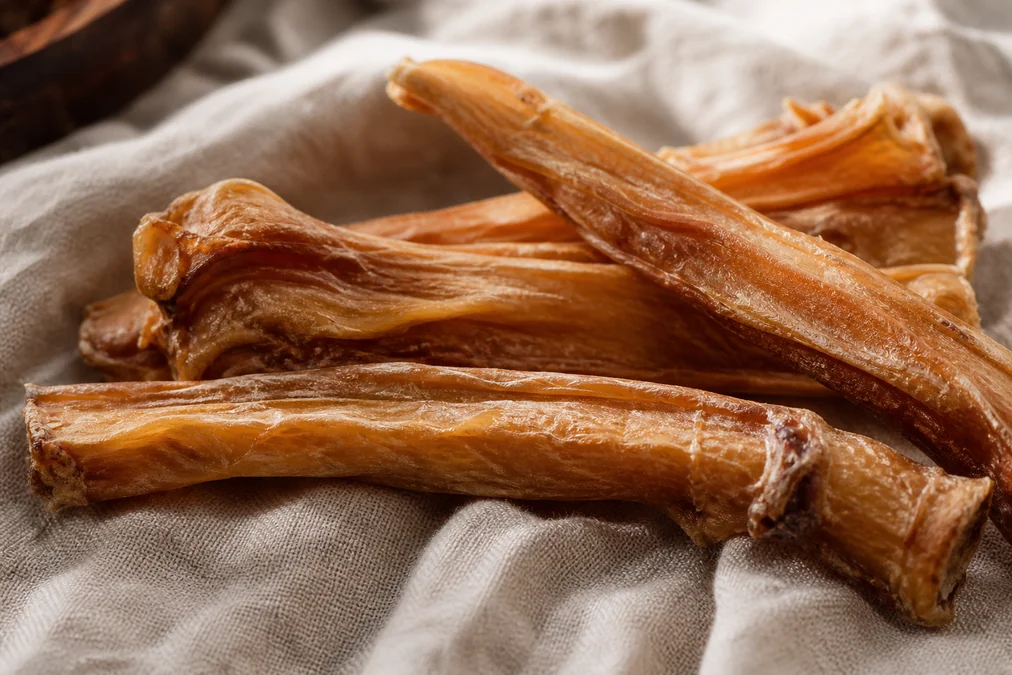
Turkey Tendons Explained
Lean, dried tendon strips that give dogs a protein-rich chew without the heavy grease of some ear or skin treats.
Best sellers
Best Turkey Tendon Picks
Lean tendon chews and related protein shapes Good Lovin sells for light to moderate gnawers.
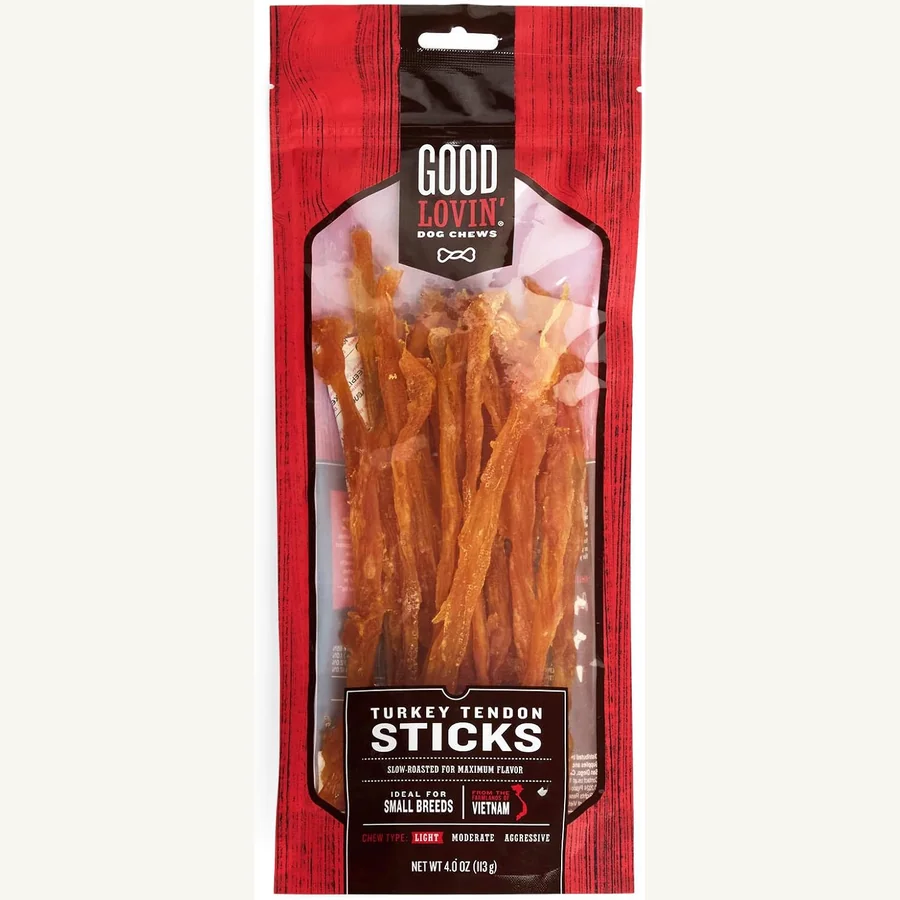
Turkey Tendon Sticks
Lean turkey tendon strips with vegetable glycerin—ideal for dogs that prefer lighter protein chews over heavy grease.
Check Price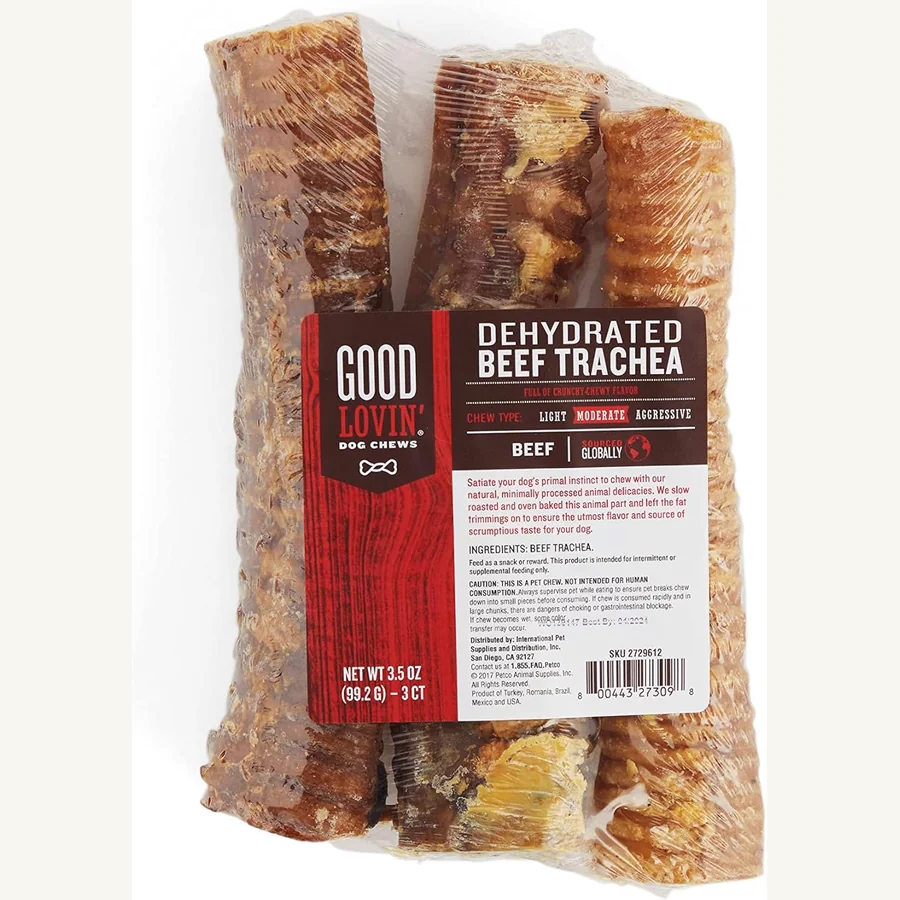
Dehydrated Beef Trachea
Three dehydrated beef trachea chews with natural cartilage—lighter density than bones but still satisfying for daily gnawing.
Check Price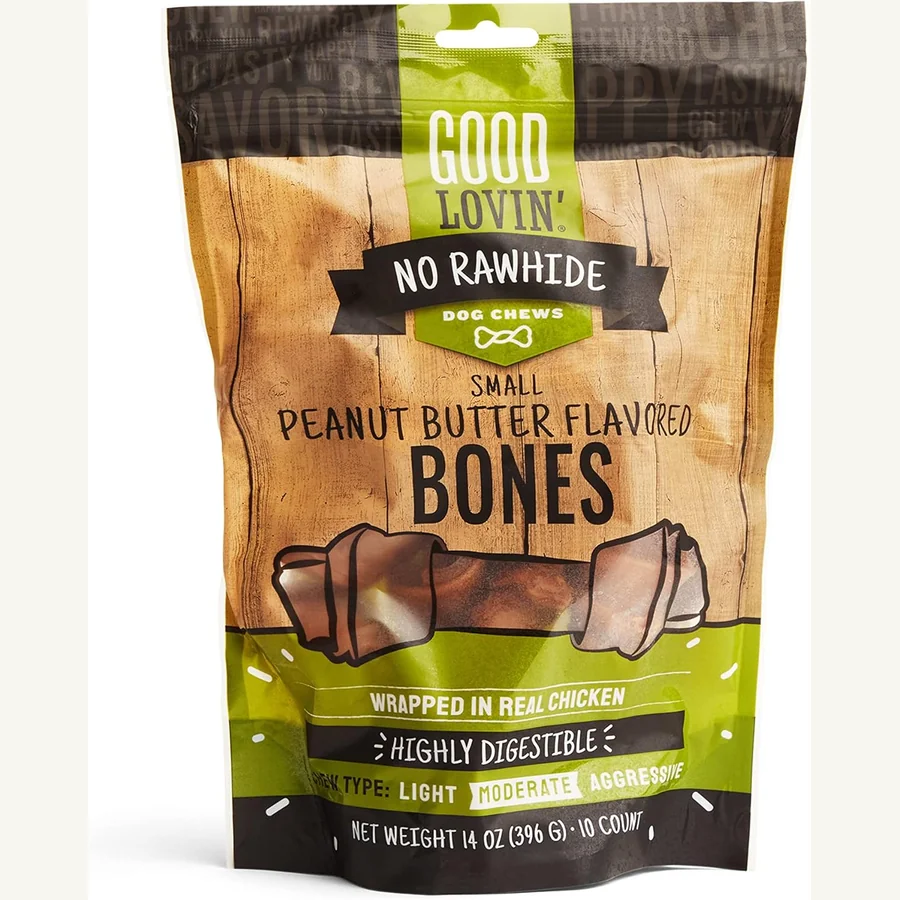
No-Rawhide Peanut Butter Bones
Ten small peanut-butter bones with no traditional rawhide—flavor-forward chews picky dogs finish without heavy fillers.
Check Price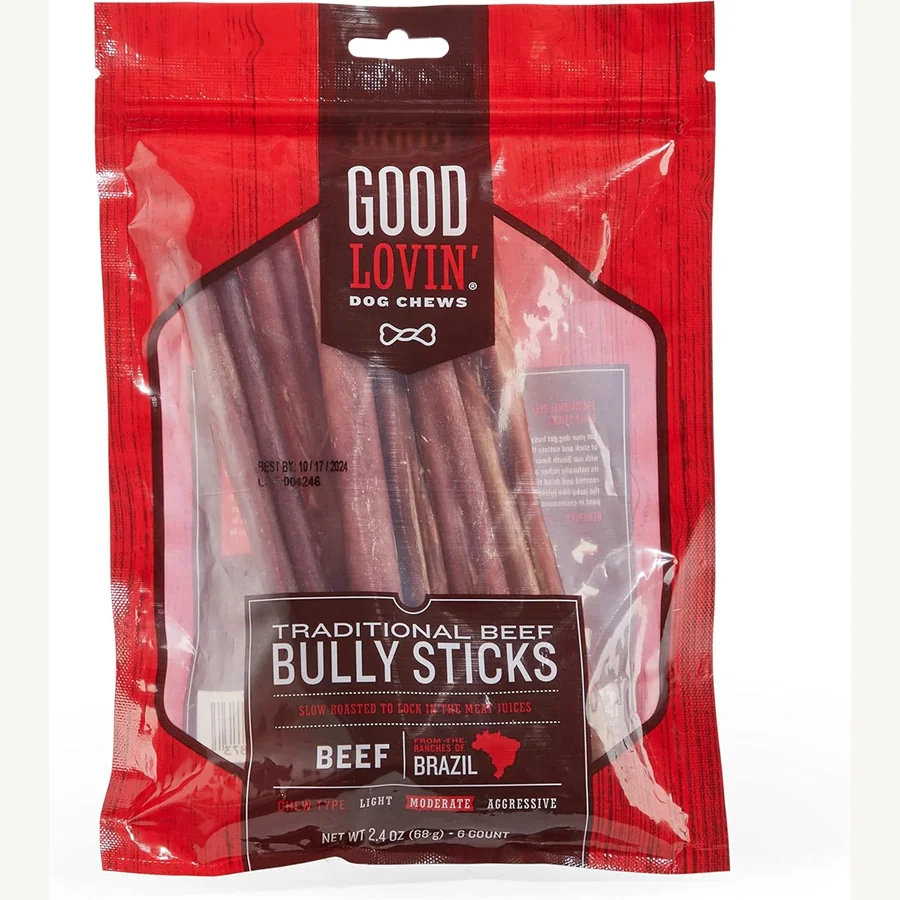
Traditional Bully Sticks 6-Pack
Six slow-roasted grass-fed bully sticks that give moderate chewers a protein-packed gnaw session with dental support.
Check PriceRelated picks
Tendons and alternatives
Six related chews owners pair with turkey tendons for variety.
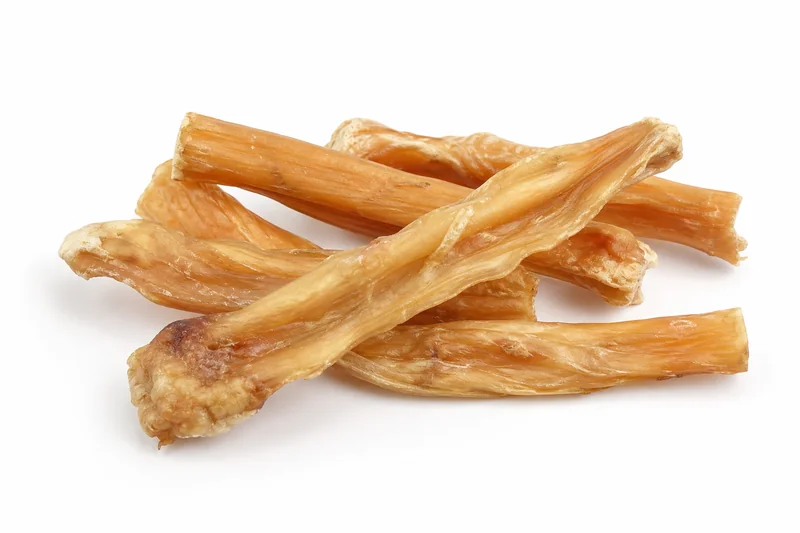
Turkey Tendons
Lean protein strips that satisfy light to moderate chewers without heavy grease.
Learn More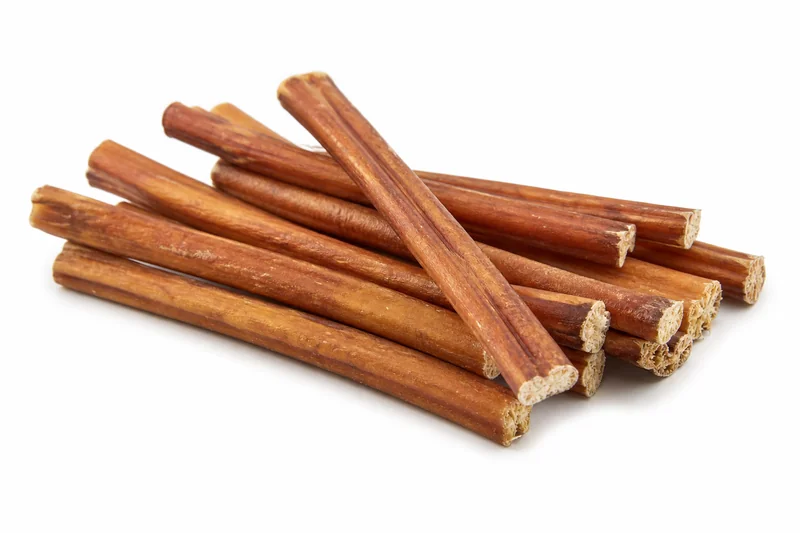
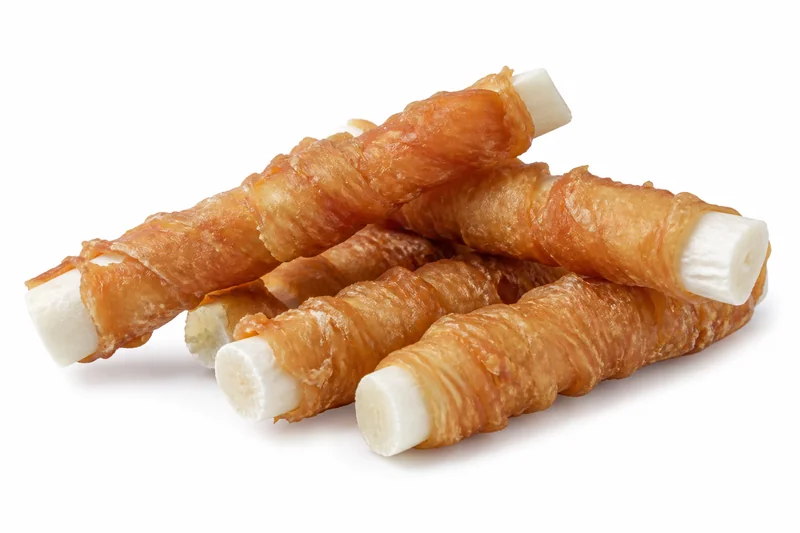
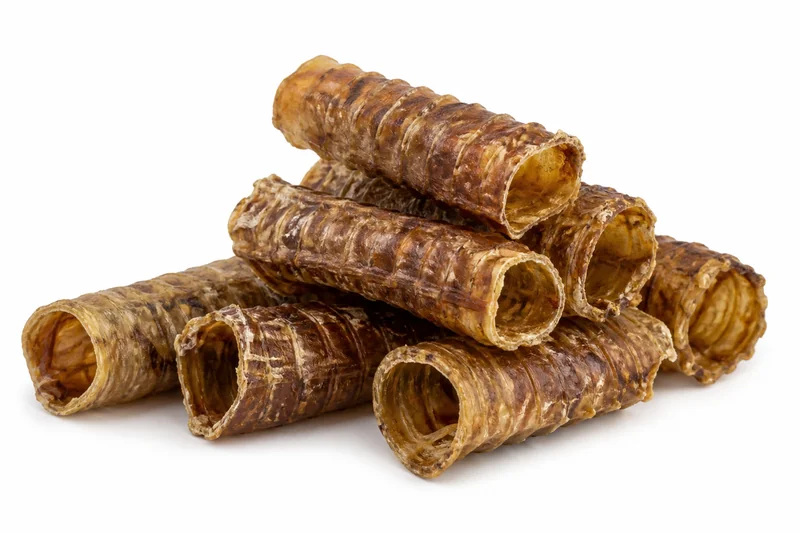
Beef Trachea
Natural cartilage chews that support longer chew sessions with lighter density.
Learn More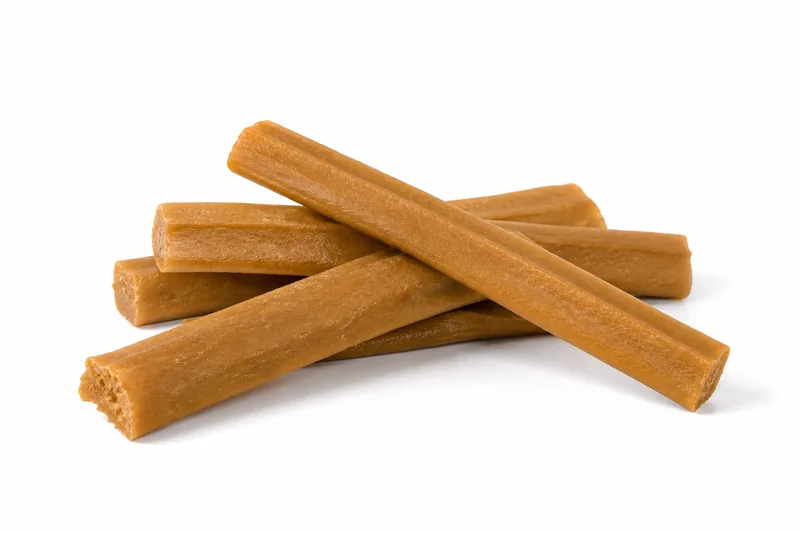
Peanut Butter Chews
Flavor-forward treats that keep picky dogs engaged through longer chew time.
Learn More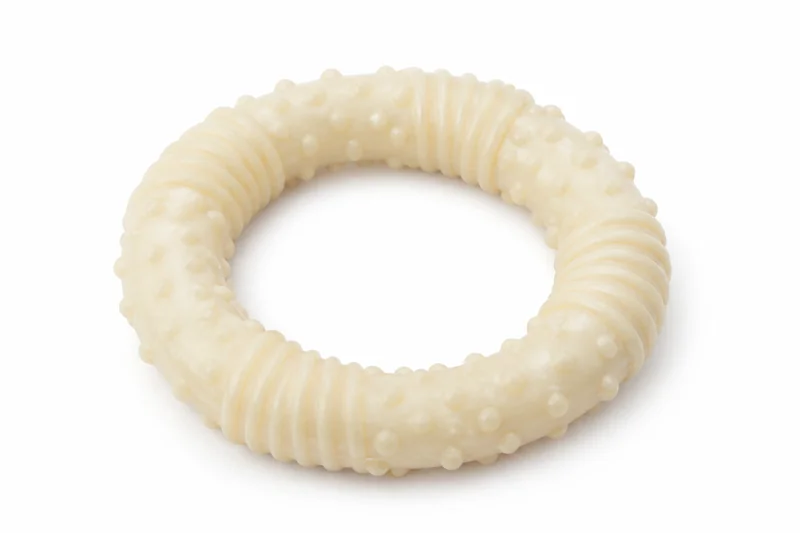
What they are
Turkey tendons are dehydrated connective tissue strips—naturally narrow, slightly fibrous and low in fat compared with pig ears. Dogs gnaw them into soft shreds rather than cracking through dense bone.
Good Lovin tendons typically arrive in consistent lengths suitable for small to medium dogs. Large breeds may finish a strip quickly; doubling up or rotating to longer bully sticks can balance session time.
Texture profile
Expect a chewy pull instead of a loud crunch. Tendons soften as saliva works through fibers, which makes them popular for senior dogs with worn teeth—still supervise, as any chew can lodge if swallowed whole.
They are not indestructible. Aggressive chewers may reduce a tendon to a swallowable nub in minutes. Remove pieces when they fit entirely inside the mouth.
Nutrition notes
Tendons deliver concentrated animal protein with modest calories per strip—helpful for dogs on portion-controlled diets if you subtract treat calories from meals. They are not complete nutrition; think enrichment, not dinner replacement.
Dogs with poultry allergies should avoid turkey tendons entirely and explore beef or fish alternatives instead.
Compared to bully sticks
Bully sticks generally last longer and carry a distinct odor some owners dislike. Tendons smell milder and feel lighter in hand—ideal for apartment living or shared office spaces during work-from-home days.
Many households keep both: tendons for quick calm-down sessions, bully sticks for deep focus when you need thirty quiet minutes.
Serving tips
Offer tendons on easy-to-clean surfaces. Fibers can stick to upholstery if your dog drops a half-chewed strip. A crate mat or tile floor simplifies pickup.
Introduce one tendon at a time when switching brands. Watch stool quality for two days; increased fiber from connective tissue can temporarily firm stools—that is normal unless diarrhea or vomiting appears.
Safety checklist
Supervise every session. Discard softened strips before your dog swallows them whole. Provide fresh water nearby—chewing increases thirst.
Consult your vet if your dog has a history of esophageal strictures or has undergone dental extractions recently. Tendons are gentler than antlers but still require jaw effort.
Buying in bulk
Multi-packs reduce per-stick cost but increase storage responsibility. Divide bulk bags into airtight containers and label open dates. Humidity is the enemy of dried tendon—silica packets help in humid climates.
If your dog rejects a batch, do not force finishing. Return or donate unopened portions when policy allows and try a different protein from our category list.
Daily routine fit
Tendons work well as pre-guest calm treats or post-walk cooldowns. They are less suited to crate departure anxiety if your dog finishes in under three minutes—pair with a longer chew when you need extended quiet.
Track weekly count: most medium dogs thrive on four to five tendon sessions without weight gain when meals adjust accordingly.
Practical tips
Turkey tendons occupy a middle ground pet nutritionists appreciate: more engaging than biscuits, less risky than antlers for many households. They teach puppies to gnaw with lateral jaw motion instead of crushing straight down—a habit that protects premolars later in life when you introduce denser proteins.
Hydration matters more than owners expect. Chewing dries the mouth; dogs drink more after sessions. Keep a bowl nearby, especially in heated apartments during winter when air already parches sensitive noses.
Multi-pet scheduling prevents conflict. Feed tendons sequentially with doors closed rather than dropping two strips on the floor. Even friendly dogs may rush when protein scent spikes.
If tendons cause loose stool once, do not panic—reduce portion and retry after a calm week. Persistent diarrhea means stop and call your clinic; occasional adjustment periods differ from intolerance.
Combine tendons with mental enrichment: hide a partially chewed strip in a towel roll so your dog works nose and jaws together. That extends value without adding calories from a second full strip.
Owners often overestimate how long a chew will last and leave the house mid-session. Treat every chew like a stovetop pan—active while in use, never unattended.
Switching proteins too fast after diarrhea guarantees confusion about triggers. Reintroduce one chew category at a time with vet guidance when symptoms were serious.
Ignoring weight gain while increasing treat frequency is a common slip. Chews count toward daily calories even when labeled natural or single-ingredient.
Giving chews to settle every minor whine teaches demand barking. Reserve high-value shapes for structured calm time, not every vocalization.
Good Lovin chews work best inside a weekly rhythm rather than random surprises. Dogs learn to expect calm gnaw windows after walks or before you sit down for dinner, which reduces begging and destructive scavenging elsewhere in the home.
Keep a dedicated chew log for two weeks when trying a new category. Note minutes chewed, stool quality next morning, and whether your dog guarded the item. Patterns emerge faster on paper than in memory.
Households with cats should store chews in latched bins—feline curiosity plus dog protein scent creates counter heists that end with upset stomachs for the wrong species.
If your dog refuses a chew twice, do not force the third attempt that week. Interest may return after a break; persistence can create negative associations with the smell.
Retail endcaps change seasonally. Photograph facing labels when you find a favorite lot so clerks can locate back-stock even when displays rotate.
Jamie Porter covers canine chew safety and nutrition for Good Lovin' Dog Chews. This guide is editorial and independent.