
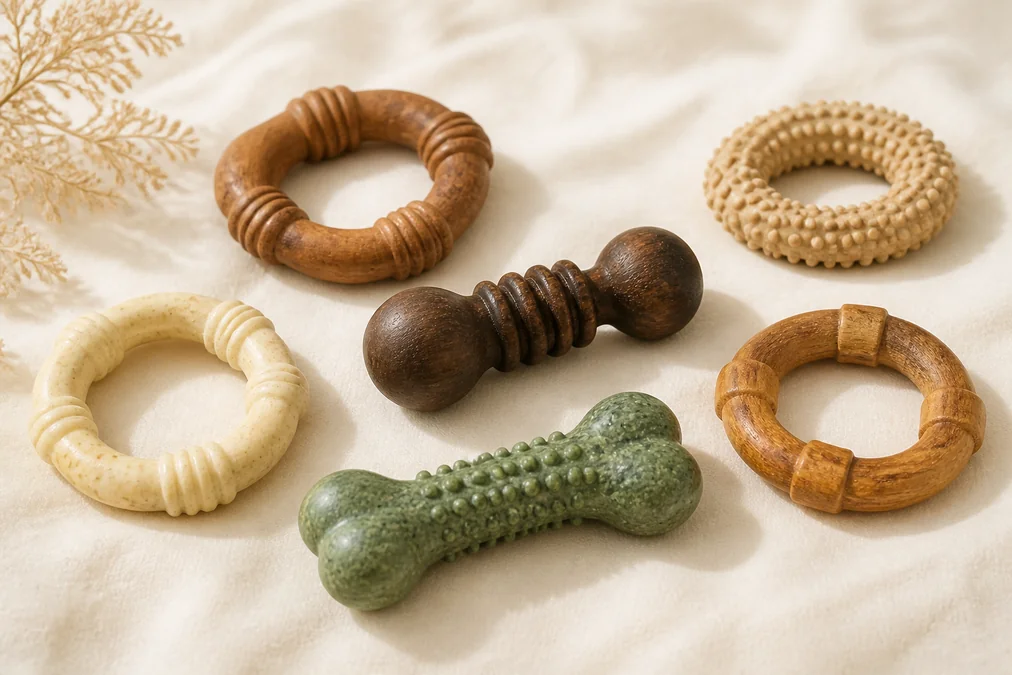
Teething Rings Guide
Soft rings designed for puppies navigating sore gums—gentler density than adult protein chews.
Best sellers
Best Puppy Ring Chews
Rawhide-free rings and soft bones sized for teething puppies and young dogs building chew habits.
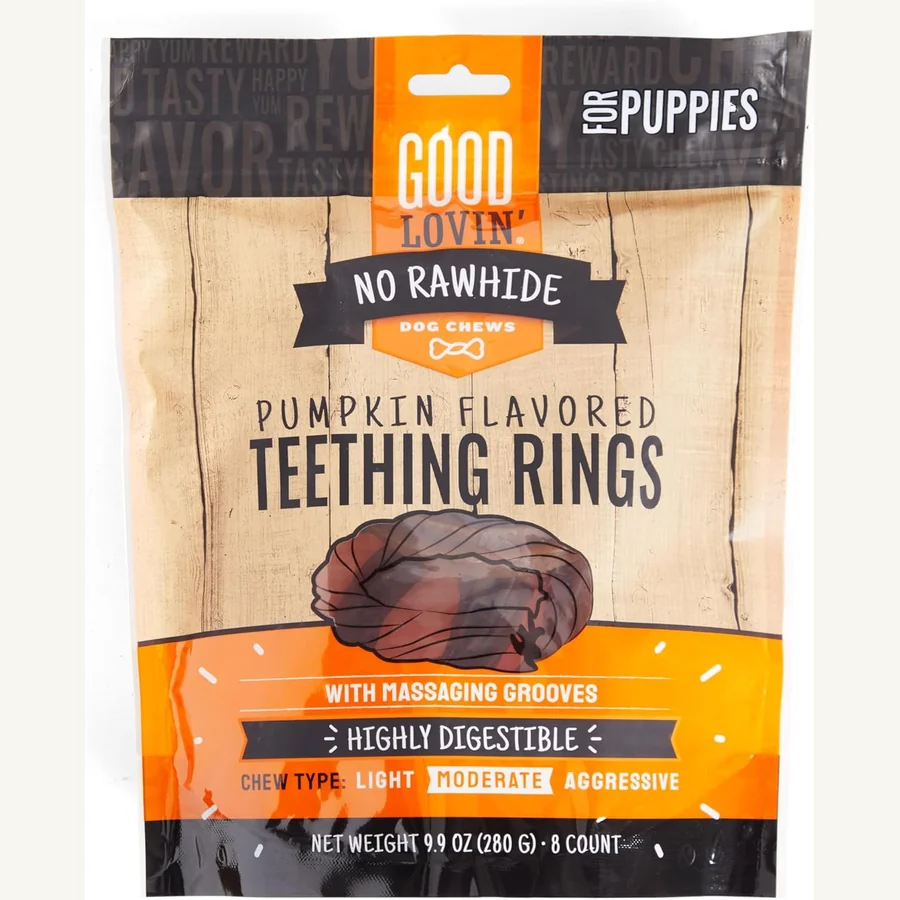
Pumpkin Puppy Rings
Eight rawhide-free pumpkin rings sized for teething puppies that need softer texture while sore gums heal.
Check Price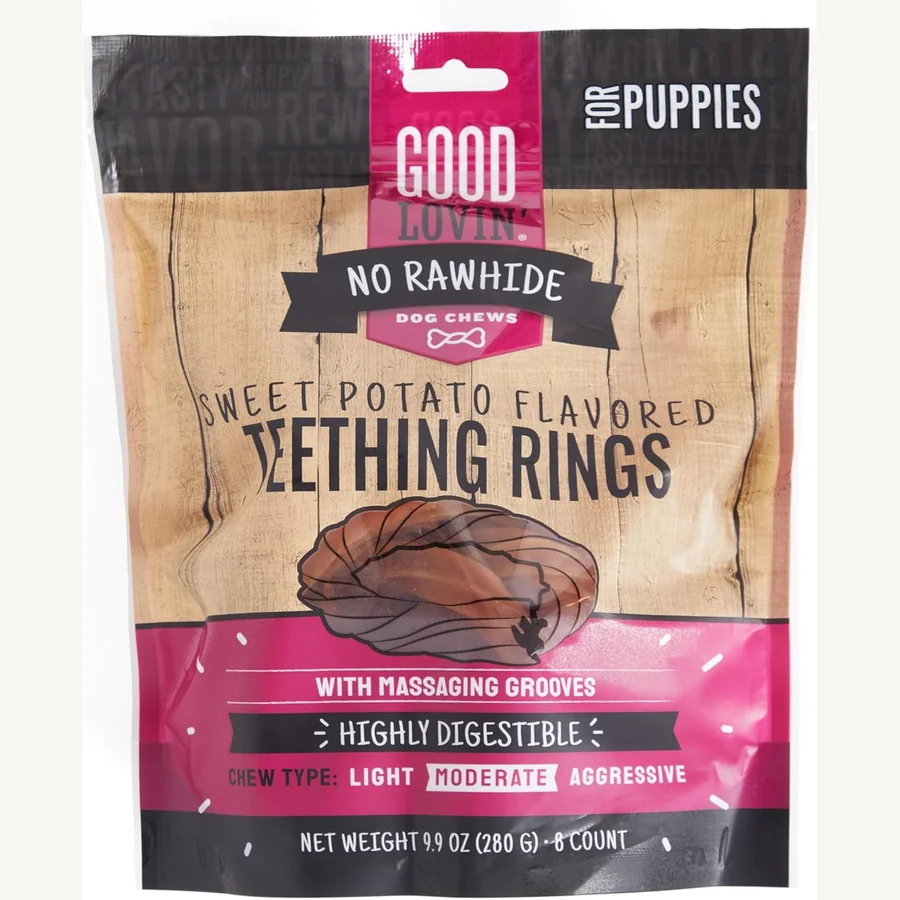
Sweet Potato Puppy Rings
Eight sweet-potato puppy rings without rawhide—gentle rings for young dogs learning healthy chewing habits.
Check Price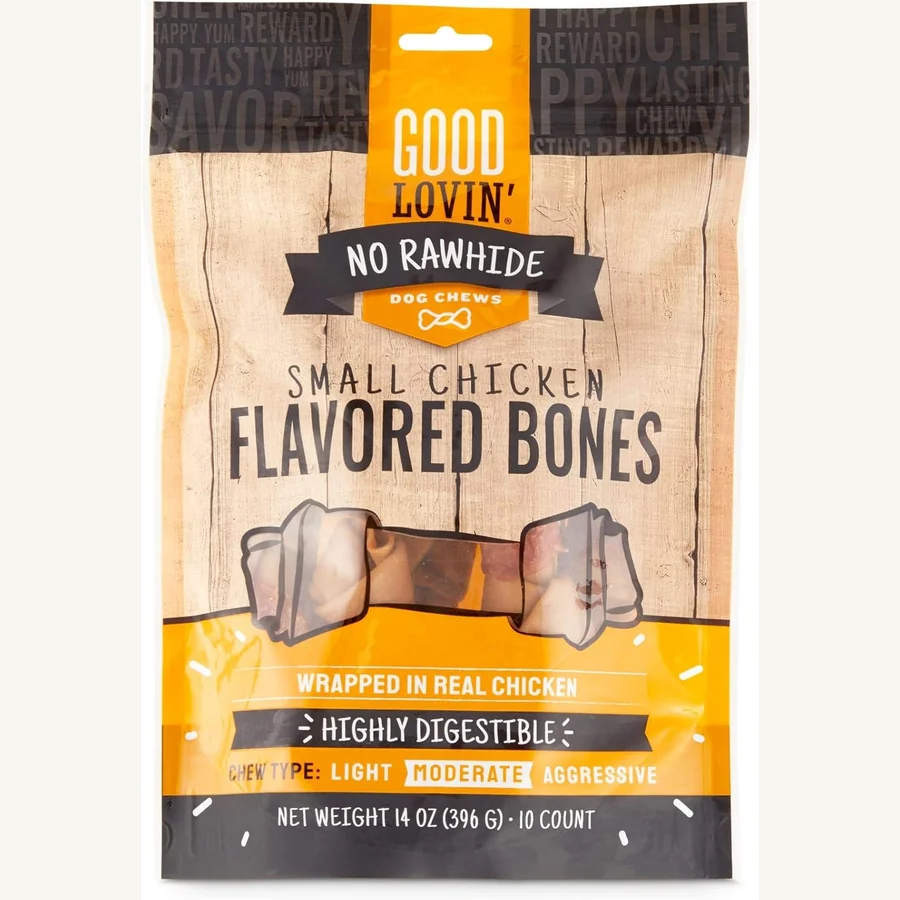
No-Rawhide Chicken Bones Small
Ten small chicken-flavored no-rawhide bones that suit puppies and small breeds needing digestible daily chews.
Check Price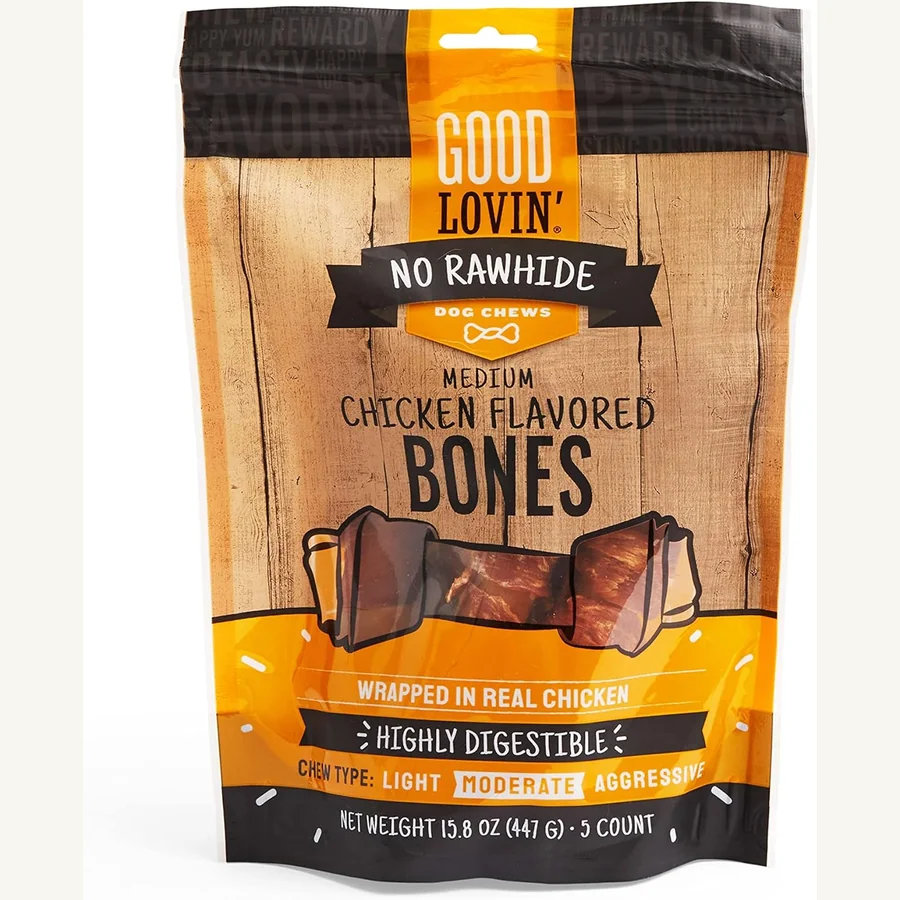
No-Rawhide Chicken Bones Medium
Five medium chicken no-rawhide bones wrapped in real flavor—a staple for households avoiding traditional hide.
Check PriceRelated picks
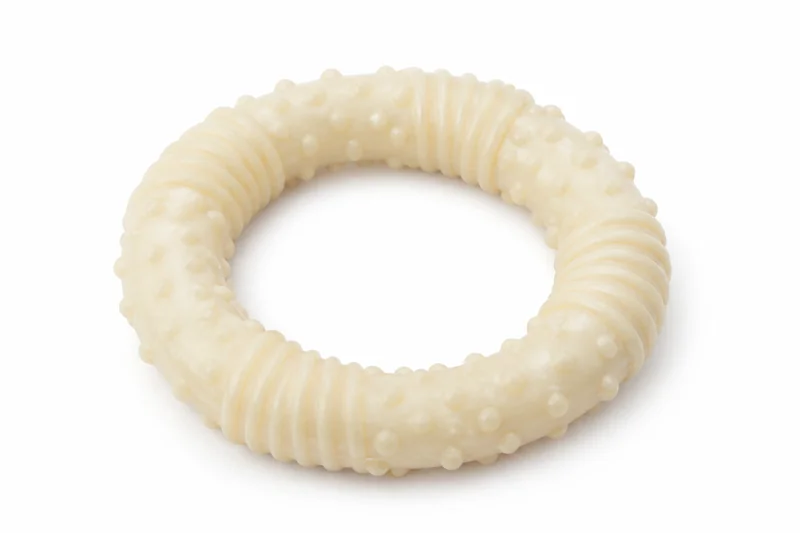
Puppy-safe picks
Four starter chews that pair well with teething rings.
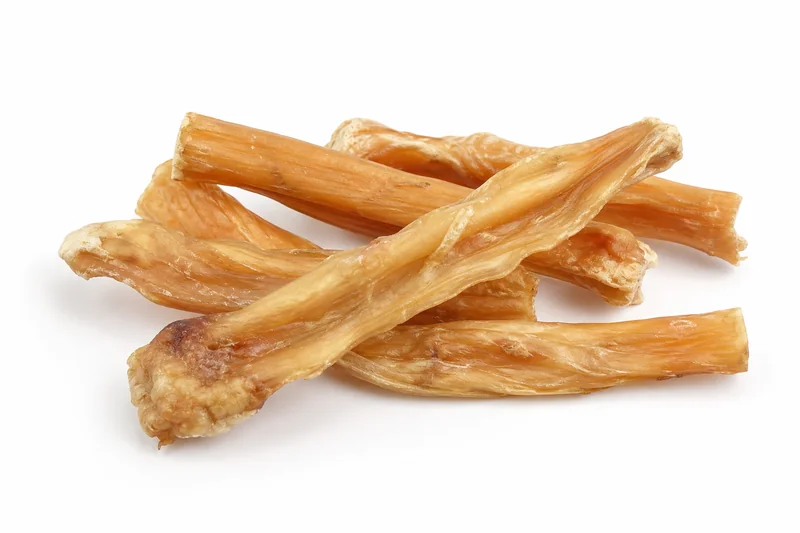
Turkey Tendons
Lean protein strips that satisfy light to moderate chewers without heavy grease.
Learn More
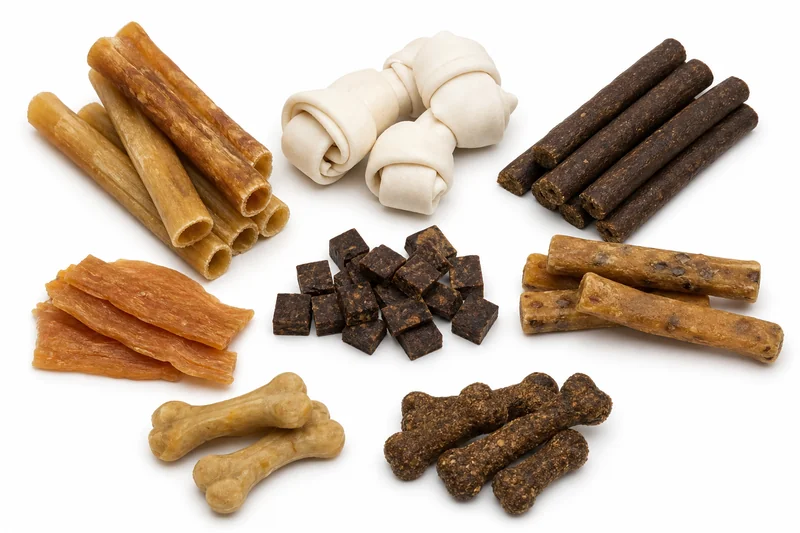
No-Rawhide Chews
Plant and collagen alternatives for owners avoiding traditional rawhide.
Learn MoreWhy puppies chew
Teething brings inflammation, drooling and an urgent need to press gums against something firm. Rings provide a controlled outlet that beats furniture legs and shoe laces.
Good Lovin teething rings aim for flexibility—enough resistance to massage gums without stressing baby teeth. They are not toys for unsupervised crate time unless your vet agrees.
Ring sizing
Match ring diameter to breed projection, not current weight alone. A large-breed puppy may need a bigger ring within weeks. If the whole ring fits in the mouth with room to spare, size up.
Inspect for bite marks that thin one side unevenly. Replace rings when walls become floppy or deep gouges appear.
Session length
Puppies tire quickly. Five to ten minutes of supervised chewing beats an hour alone with any product. End sessions on a calm note before frustration chewing accelerates.
Pair rings with positive crate training—offer the ring only when you can watch, so the puppy learns chews are special, not endless background noise.
Graduation path
When adult teeth finish erupting—usually between six and eight months for many breeds—transition toward lean tendons or soft collagen wraps. Avoid hard antlers until your vet confirms jaw development is complete.
Our puppy pack guide outlines assortment strategies for mixed-age homes.
Cleaning and storage
Rinse rings after sessions if your puppy dragged them through dirt. Air dry before sealing in a bag to prevent mildew on porous materials.
Store away from heat; soft chews can warp in sunny windows or hot cars.
When to pause
Stop offering rings if your puppy vomits repeatedly after chewing, shows blood on the ring surface beyond normal gum sensitivity, or loses interest because of mouth pain. Those signs warrant a dental check.
Teething rings complement—not replace—professional puppy wellness visits and vaccination schedules.
Breed considerations
Small breeds with crowded teeth may need thinner rings rotated frequently. Giant breeds outgrow rings fast—plan the next density before they destroy a too-soft shape.
Brachycephalic puppies breathe through smaller airways; watch for excessive panting during chew play and keep sessions short.
Owner checklist
Before each session: confirm ring integrity, wash hands after handling, and remove collars that could snag. After each session: rinse the ring if soiled, check gums for redness, and log any changes for your vet file.
Photograph ring wear weekly when training a new puppy—you will learn your dog's chew rate faster than guessing from memory.
Practical tips
Teething timelines vary by breed. Toy dogs may finish the phase earlier while large breeds feel discomfort longer as big teeth push through. Rings are tools for a window, not permanent diet staples—celebrate graduation to adult chews as a milestone.
Puppy kindergarten instructors often recommend rings over frozen washcloths because commercial shapes tolerate repeated sanitizing without fraying strings that swallow whole. Still inspect for deep gouges that could harbor bacteria in porous material.
Night chewing requests spike during teething. A short supervised ring session before bed beats leaving one in the crate overnight unsupervised. Sleep safety trumps convenience every time.
Family coordination helps: children should not offer rings without adult approval, preventing double sessions that upset puppy stomachs. Post a simple chart on the fridge tracking who offered chews and when.
When rings lose shape, recycle responsibly if local facilities accept pet-product plastics, or discard in household trash sealed in a bag—never leave worn rings where wildlife could ingest them.
Owners often overestimate how long a chew will last and leave the house mid-session. Treat every chew like a stovetop pan—active while in use, never unattended.
Switching proteins too fast after diarrhea guarantees confusion about triggers. Reintroduce one chew category at a time with vet guidance when symptoms were serious.
Ignoring weight gain while increasing treat frequency is a common slip. Chews count toward daily calories even when labeled natural or single-ingredient.
Giving chews to settle every minor whine teaches demand barking. Reserve high-value shapes for structured calm time, not every vocalization.
Good Lovin chews work best inside a weekly rhythm rather than random surprises. Dogs learn to expect calm gnaw windows after walks or before you sit down for dinner, which reduces begging and destructive scavenging elsewhere in the home.
Keep a dedicated chew log for two weeks when trying a new category. Note minutes chewed, stool quality next morning, and whether your dog guarded the item. Patterns emerge faster on paper than in memory.
Households with cats should store chews in latched bins—feline curiosity plus dog protein scent creates counter heists that end with upset stomachs for the wrong species.
If your dog refuses a chew twice, do not force the third attempt that week. Interest may return after a break; persistence can create negative associations with the smell.
Retail endcaps change seasonally. Photograph facing labels when you find a favorite lot so clerks can locate back-stock even when displays rotate.
Freeze rings briefly if your vet approves—cold soothes inflamed gums for some puppies. Do not freeze rock-solid if teeth are fragile; five to ten minutes in the fridge may suffice.
Document which ring hardness your puppy prefers in a notebook. That record speeds reorder decisions when teething returns during adult molar transitions in large breeds.
Jamie Porter covers canine chew safety and nutrition for Good Lovin' Dog Chews. This guide is editorial and independent.