
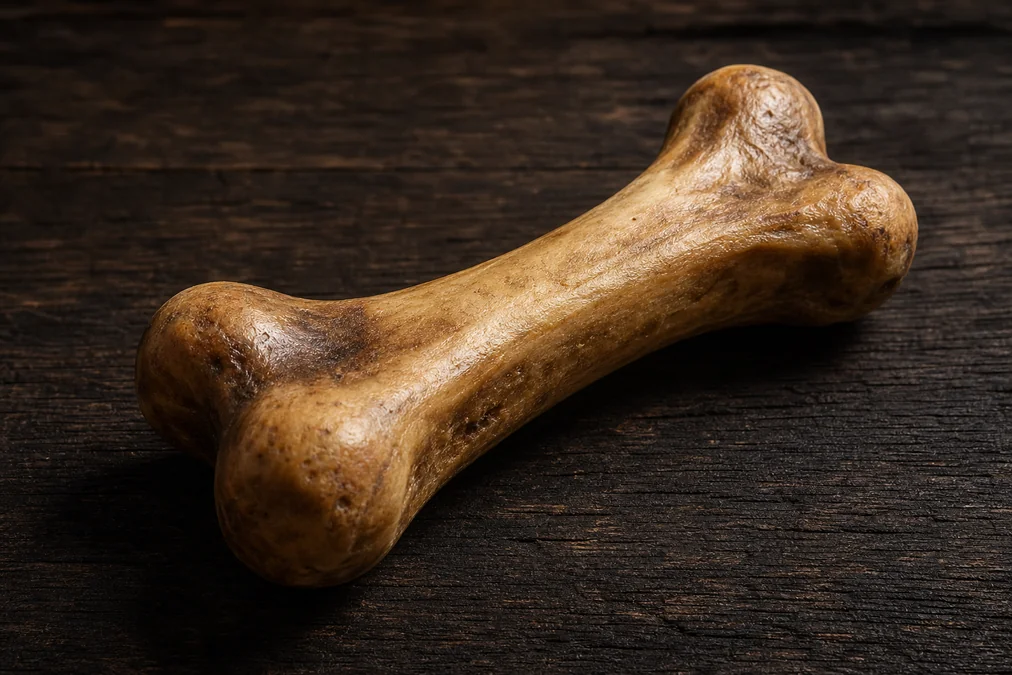
Power Chewer Options
Dense shapes for dogs that destroy standard treats in minutes—matched with clear safety boundaries.
Best sellers
Best Power Chew Picks
Smoked rib bones, dense braids and trachea chews suited to dogs that destroy standard treats quickly.
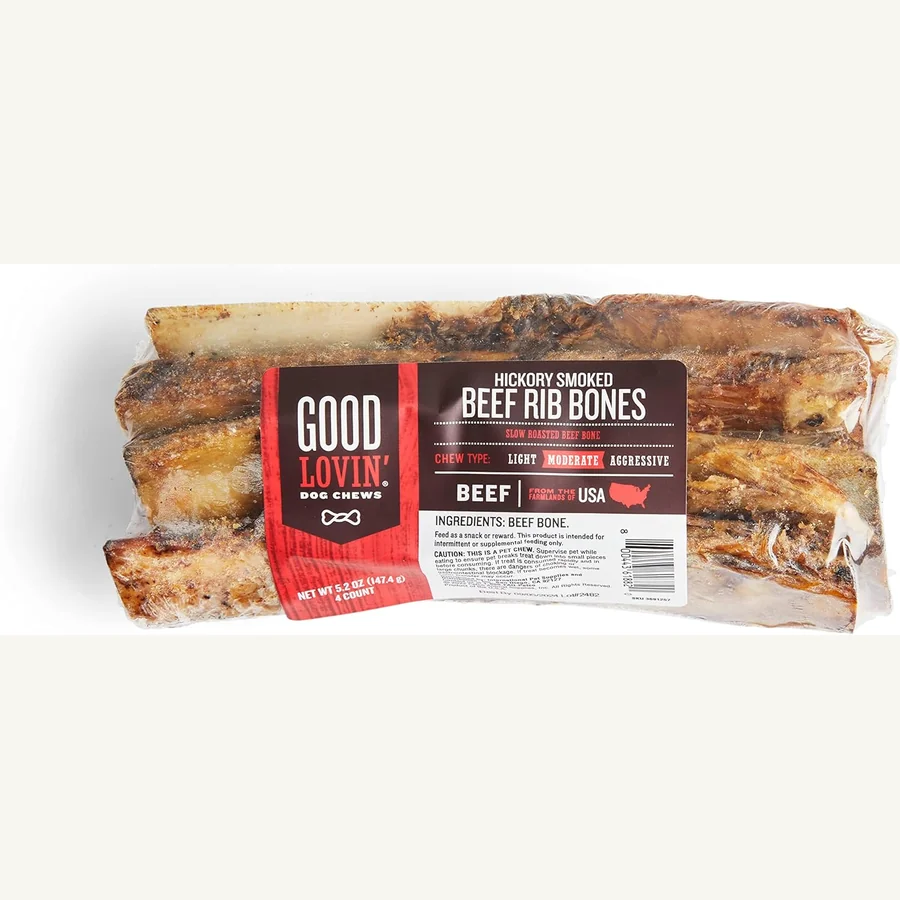
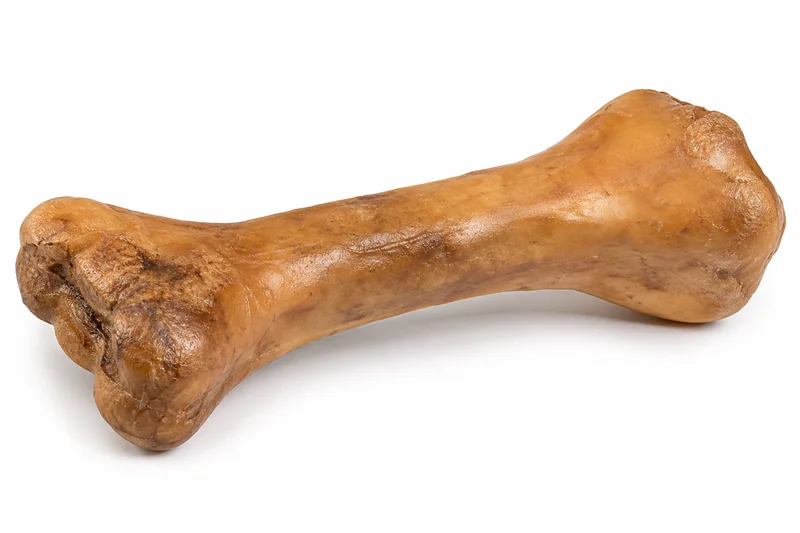
Hickory Smoked Beef Rib Bones
Four hickory-smoked beef rib bones built for strong chewers who want smoky marrow flavor in a dense natural shape.
Check Price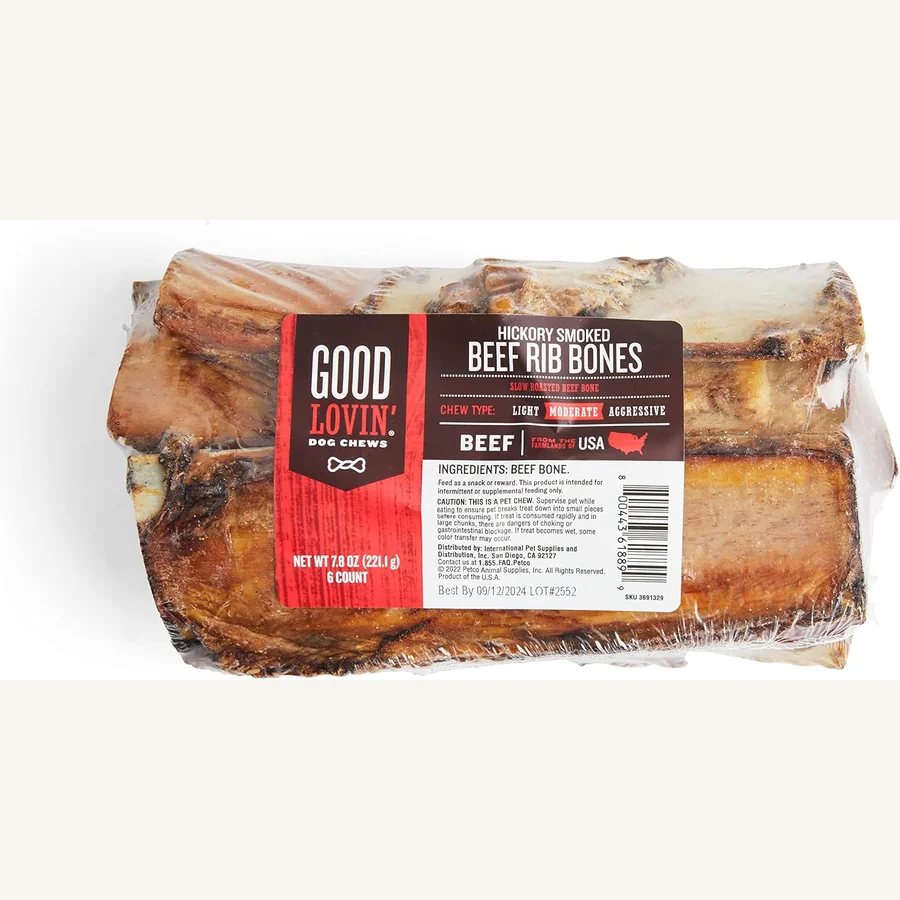
Hickory Smoked Rib Bones 6-Pack
Six smoked rib bones for power chewers—hearty natural shapes that keep aggressive gnawers busy through long sessions.
Check Price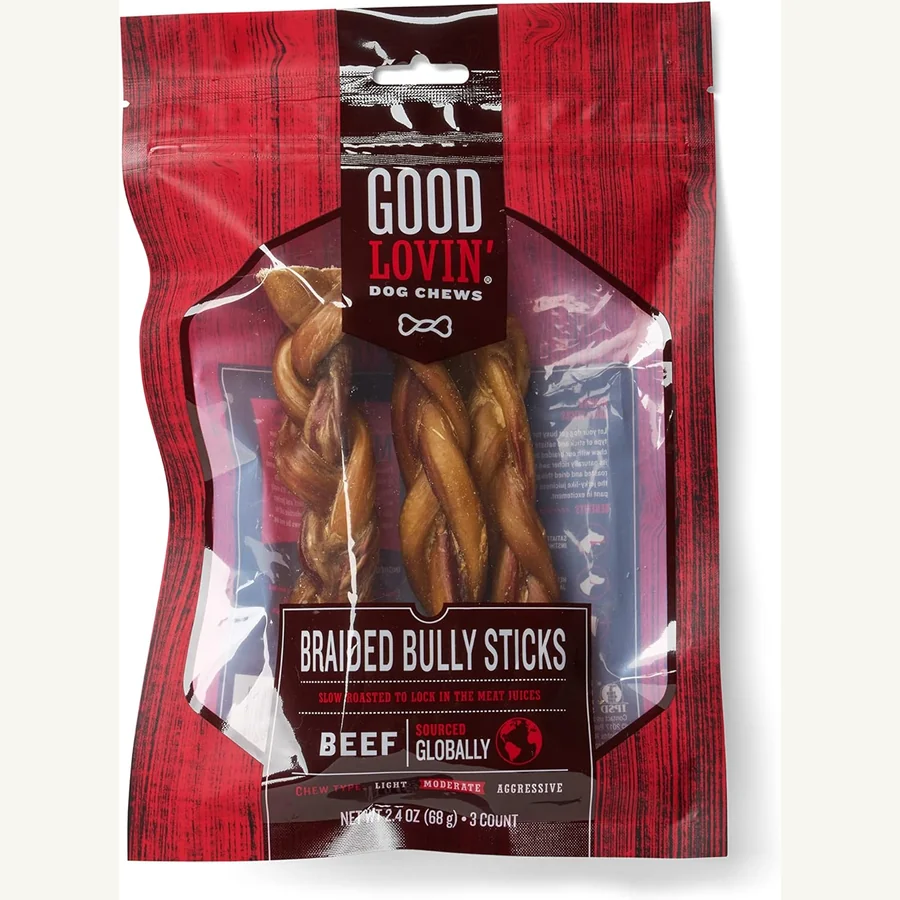
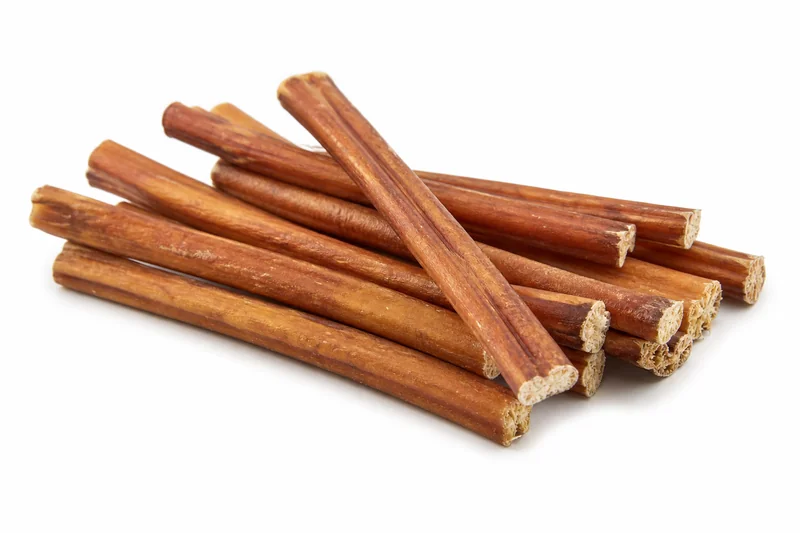
Braided Bully Sticks 3-Pack
A three-pack of braided bully sticks with extra surface area for dogs that need more grip and longer chew time.
Check Price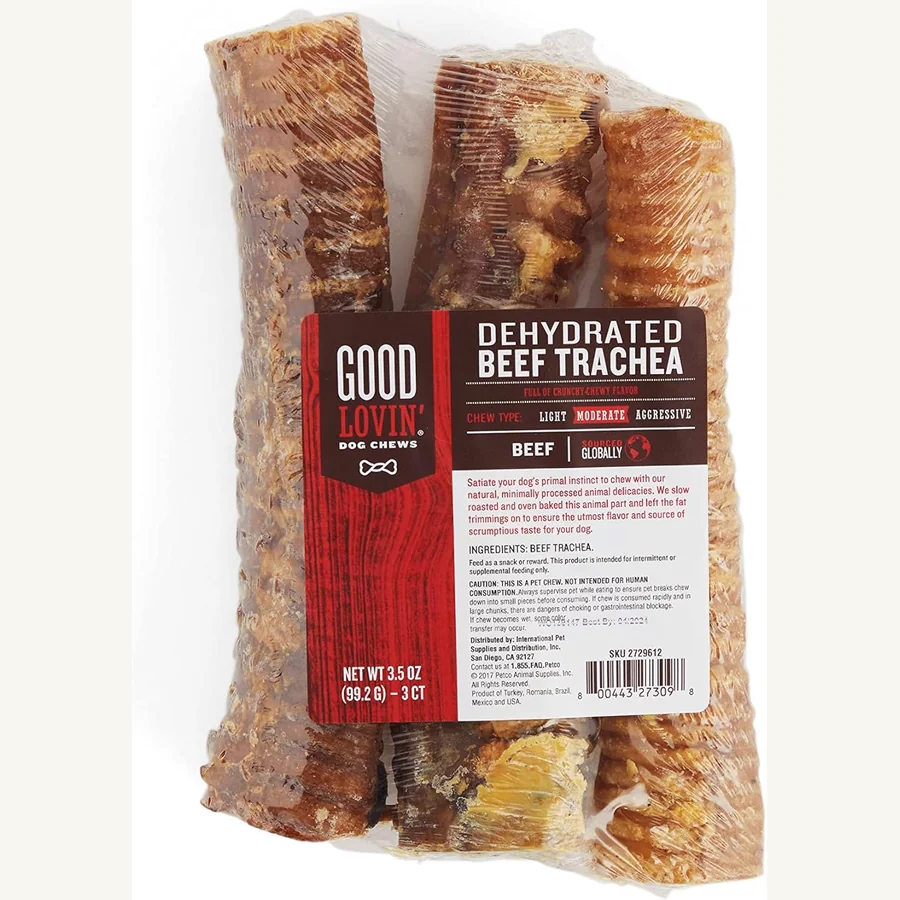
Dehydrated Beef Trachea
Three dehydrated beef trachea chews with natural cartilage—lighter density than bones but still satisfying for daily gnawing.
Check PriceRelated picks
Built to last
Five heavy-duty chews for strong jaws.
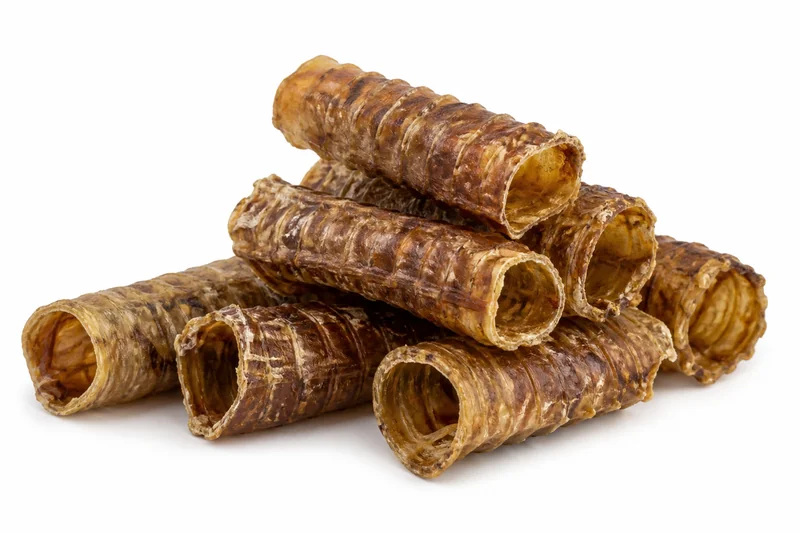
Beef Trachea
Natural cartilage chews that support longer chew sessions with lighter density.
Learn More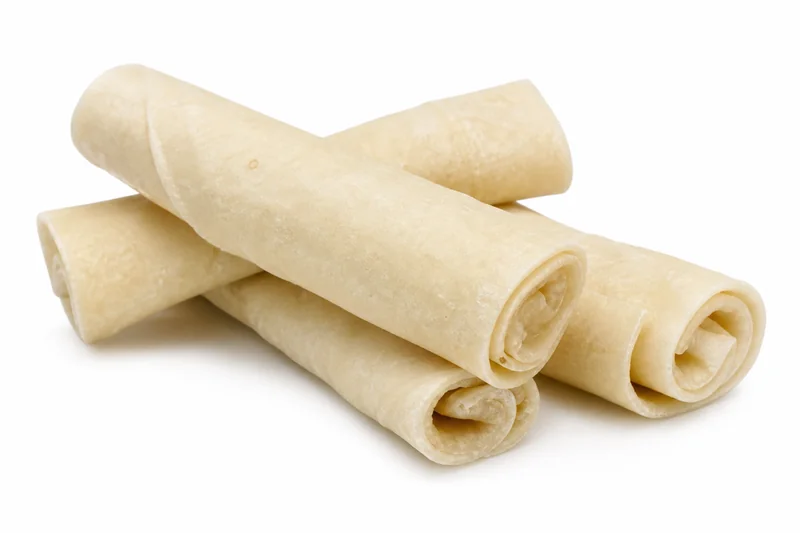
Defining aggressive
An aggressive chewer bites with full force, consumes quickly and may fracture inappropriate items. Labeling a dog aggressive is not shame—it is logistics. You need denser products and stricter supervision than a gentle nibbler.
Good Lovin addresses this segment with thick bully sticks, collagen braids, dehydrated trachea segments and select natural bones. None are chew-proof; all require human oversight.
Tooth fracture risk
Hard natural chews—hooves, weight-bearing bones, antlers—can split teeth when dogs apply crushing force. Good Lovin focuses on animal tissues that yield gradually rather than glass-hard surfaces.
If you hear audible snaps or see bleeding, end the session. Veterinary dental radiographs catch fractures owners miss until infection sets in.
Density ladder
Start mid-density: thick bully stick or trachea. Escalate only if the dog remains unsatisfied and shows no dental pain signs. De-escalate if wear patterns show uneven enamel loss on one side.
Peanut butter filled bones marketed for power chewers may empty quickly—monitor empty shells that become hard chomping targets.
Calorie management
Power sessions add calories fast. Reduce meal portions on heavy chew days, especially for overweight dogs. Collagen and bully sticks carry meaningful protein calories.
Track weekly treat load like you track kibble—consistency prevents slow weight creep.
Behavior angle
Chewing satisfies prey drive and stress. Offer a legal outlet before problem behaviors start—post-walk, pre-guest arrival, during remote meetings.
Combine chews with training: ask for a sit before presenting the chew so excitement does not trigger jumping or guarding.
Emergency signs
Vomiting repeatedly, refusing water, or straining to defecate after a chew session warrants immediate veterinary attention. Keep packaging lot codes handy for recall tracing.
When in doubt, choose shorter sessions with softer proteins over marathon hard chews.
Home setup tips
Designate a chew zone with washable flooring and a dedicated bin for partially used items. Power chewers scatter debris—expect cleanup as part of the routine.
If you have children, teach them never to grab items from a chewing dog. Separate spaces prevent accidental bites during resource guarding moments.
Working breeds
Herding and sporting dogs often need chews after mental work, not just physical exercise. A fifteen-minute collagen braid after training can prevent destructive scouting through trash bins.
Match chew density to the dog's frustration level—under-chewing leads to redecorated cushions, over-hard chews risk teeth.
Practical tips
Power chewers often appear in forums asking for indestructible products. Honest answer: none exist. Management combines appropriate density, time limits and environmental enrichment so legal chewing beats drywall.
Weight-pull and sport dogs may need chews on rest days to burn nervous energy without extra miles that stress joints. Track total weekly load—chews plus training plus walks.
Insurance claims occasionally cite dental fractures from inappropriate hard chews. Document vet guidance if your policy asks about treat routines.
Some owners use chew timers—phone alarms at fifteen minutes—to prevent marathon sessions that leave jaws sore. End while your dog still wants more; that preserves value for tomorrow.
When introducing a new dense shape, film a short video of chewing style. Side angle clips reveal dangerous vertical biting versus healthier lateral gnawing you can reinforce with treat placement.
Schedule dental exams yearly for power chewers even if teeth look fine externally—fractures hide below gum lines until infection flares.
Owners often overestimate how long a chew will last and leave the house mid-session. Treat every chew like a stovetop pan—active while in use, never unattended.
Switching proteins too fast after diarrhea guarantees confusion about triggers. Reintroduce one chew category at a time with vet guidance when symptoms were serious.
Ignoring weight gain while increasing treat frequency is a common slip. Chews count toward daily calories even when labeled natural or single-ingredient.
Giving chews to settle every minor whine teaches demand barking. Reserve high-value shapes for structured calm time, not every vocalization.
Good Lovin chews work best inside a weekly rhythm rather than random surprises. Dogs learn to expect calm gnaw windows after walks or before you sit down for dinner, which reduces begging and destructive scavenging elsewhere in the home.
Keep a dedicated chew log for two weeks when trying a new category. Note minutes chewed, stool quality next morning, and whether your dog guarded the item. Patterns emerge faster on paper than in memory.
Households with cats should store chews in latched bins—feline curiosity plus dog protein scent creates counter heists that end with upset stomachs for the wrong species.
If your dog refuses a chew twice, do not force the third attempt that week. Interest may return after a break; persistence can create negative associations with the smell.
Retail endcaps change seasonally. Photograph facing labels when you find a favorite lot so clerks can locate back-stock even when displays rotate.
Rotate chew locations to prevent territorial guarding of one corner. A portable mat travels room to room so the ritual stays familiar without fixed furniture claims.
Athletic dogs may need chews on rest days after competitions to discharge adrenaline without extra impact on joints.
Jamie Porter covers canine chew safety and nutrition for Good Lovin' Dog Chews. This guide is editorial and independent.