
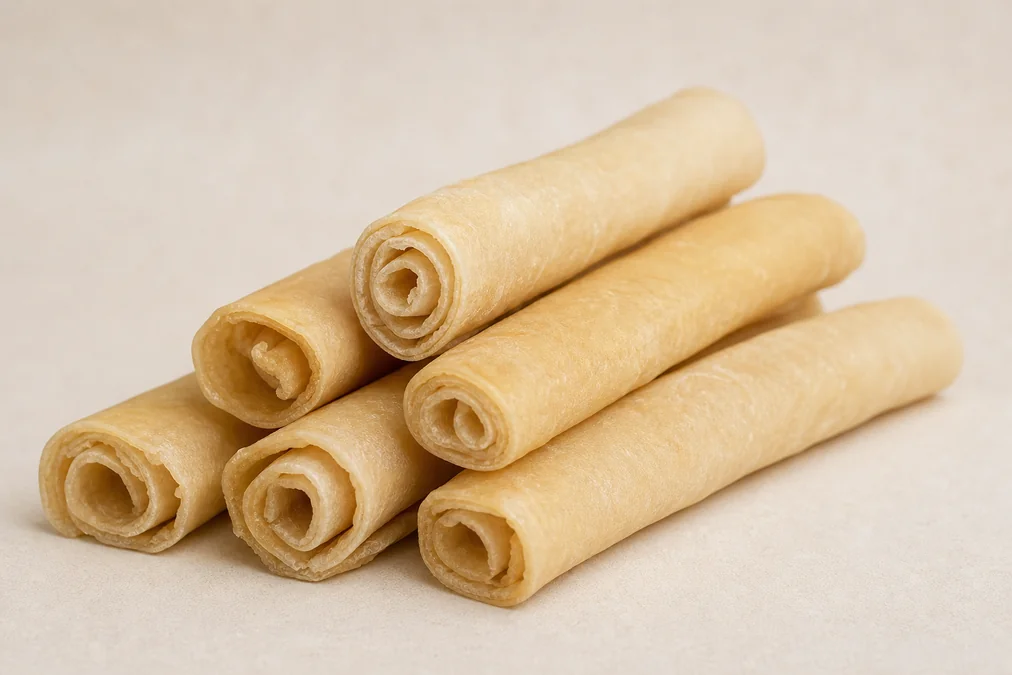
Rawhide and Alternatives
Traditional rawhide rolls alongside digestible no-rawhide options for cautious owners.
Best sellers
Best Rawhide & Alternatives
Classic rawhide munchies alongside no-rawhide bones for owners comparing both paths.
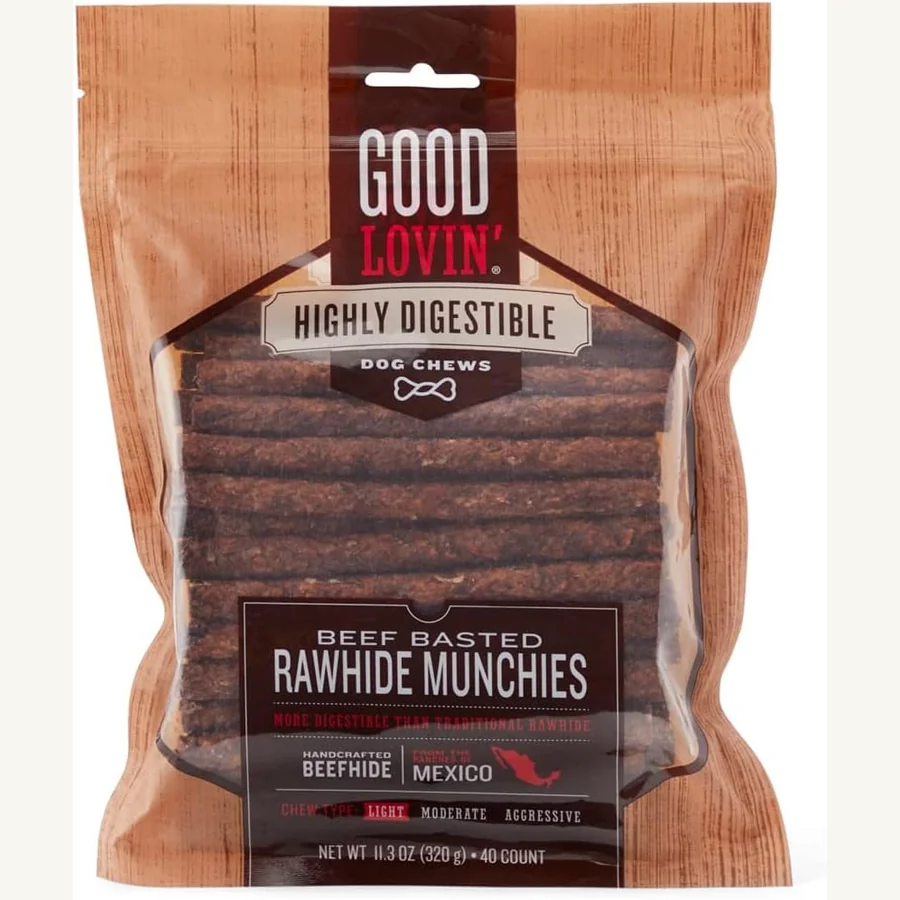
Beef Basted Rawhide Munchies
Forty beef-basted rawhide munchies for quick reward sessions—compact size suits training breaks between long chews.
Check Price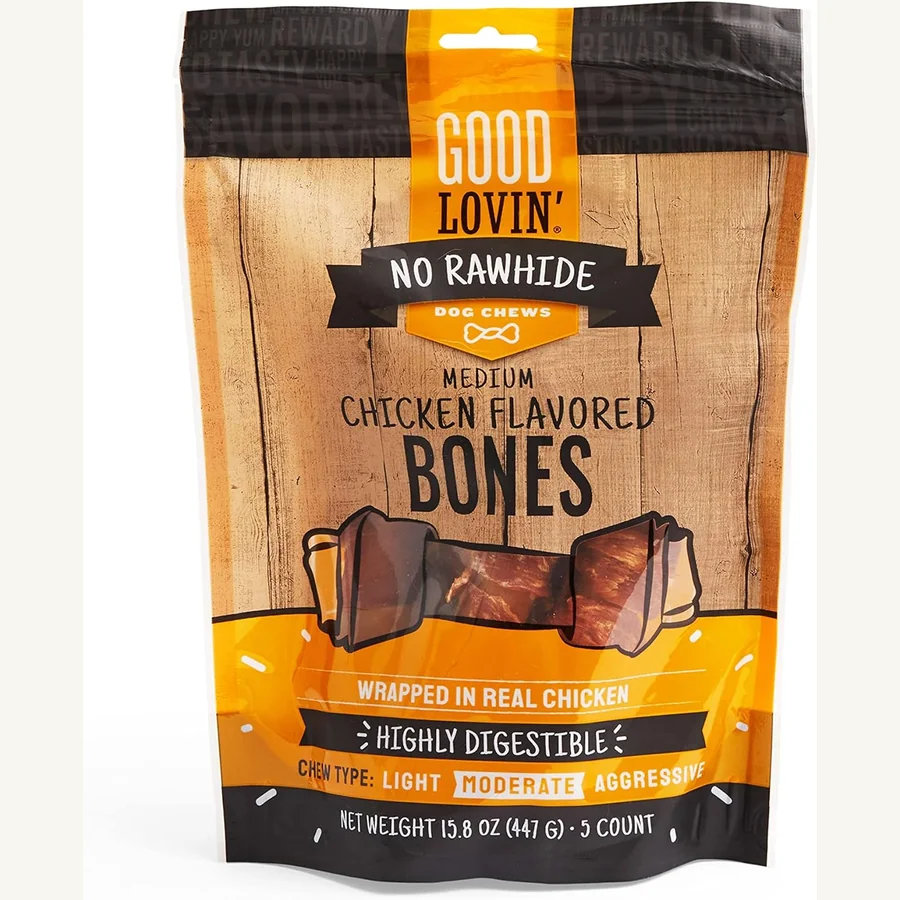
No-Rawhide Chicken Bones Medium
Five medium chicken no-rawhide bones wrapped in real flavor—a staple for households avoiding traditional hide.
Check Price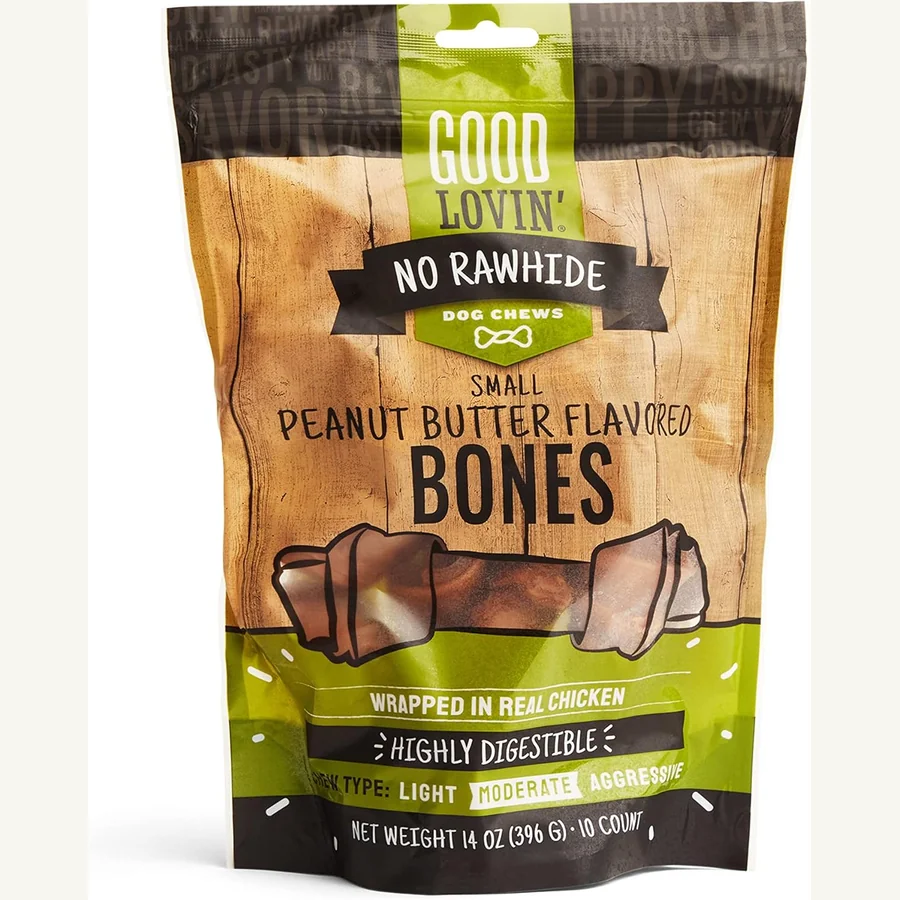
No-Rawhide Peanut Butter Bones
Ten small peanut-butter bones with no traditional rawhide—flavor-forward chews picky dogs finish without heavy fillers.
Check Price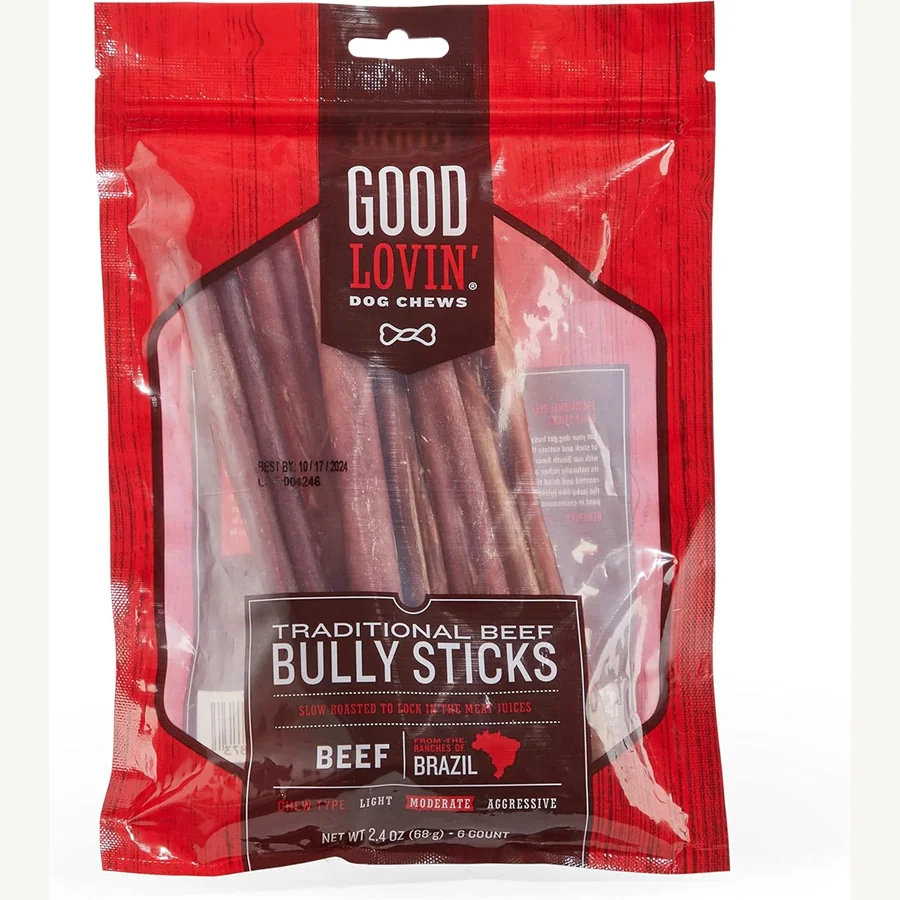
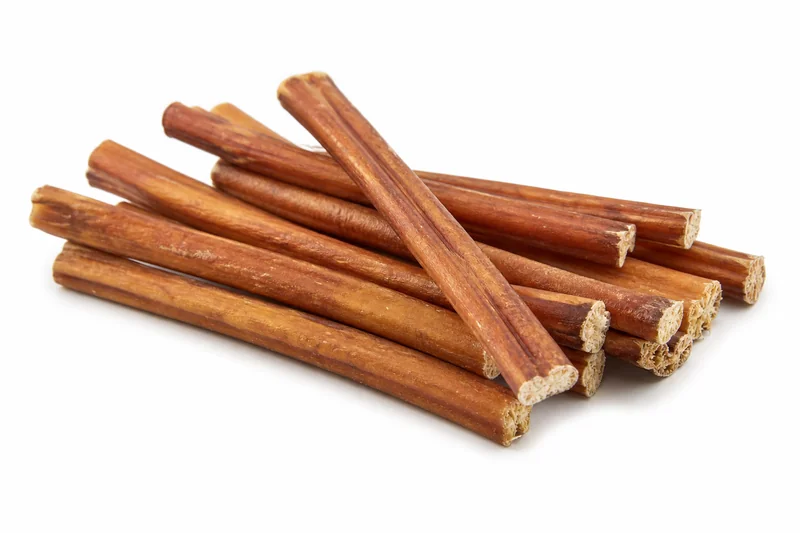
Traditional Bully Sticks 6-Pack
Six slow-roasted grass-fed bully sticks that give moderate chewers a protein-packed gnaw session with dental support.
Check PriceRelated picks
Hide and beyond
Four picks spanning rawhide and alternatives.
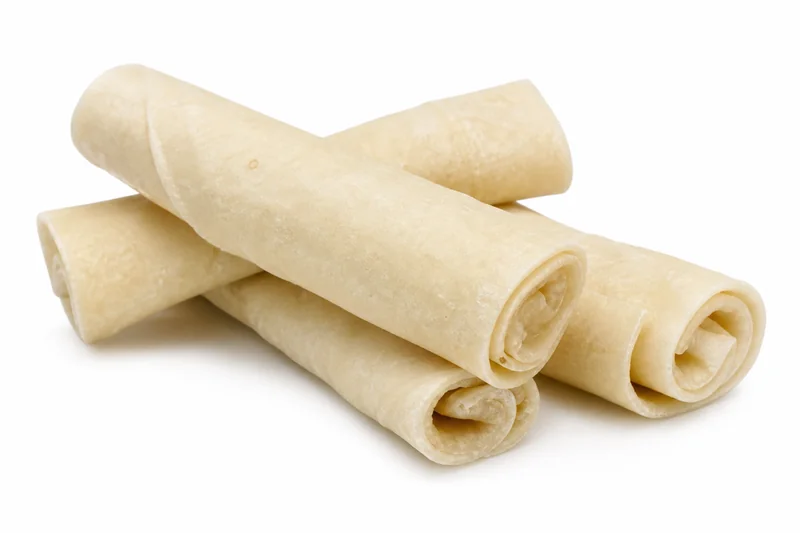
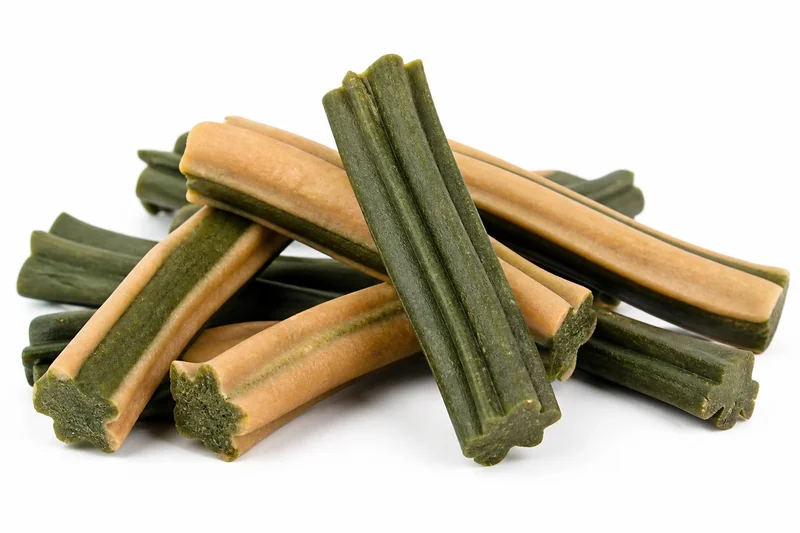
No-Rawhide Chews
Plant and collagen alternatives for owners avoiding traditional rawhide.
Learn More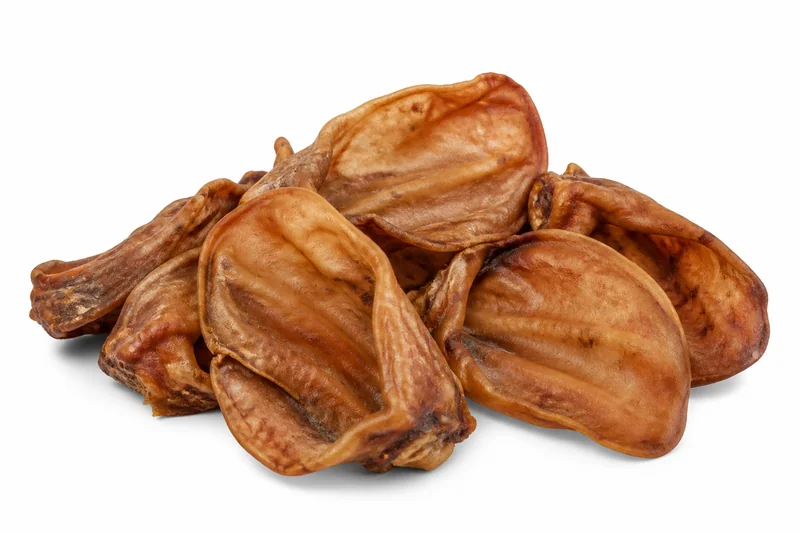
What rawhide is
Rawhide comes from cleaned, dried inner layers of cattle hide—rolled, twisted or pressed into shapes. Dogs soften it over time rather than shattering like cooked bone.
Good Lovin rawhide products target dogs accustomed to traditional pet store chews. Quality varies by lot; flexible sheets beat rock-hard knots that encourage dangerous biting.
Digestibility debate
Large swallowed pieces may expand in the stomach, causing blockages in susceptible dogs. Supervision and size matching reduce but do not eliminate risk.
No-rawhide chews use vegetable or collagen bases designed to break down faster—many owners choose them after a scare or on veterinary advice.
Choking hazards
Gulpers who tear and swallow big sections should avoid rawhide or use holder devices that grip the chew. Pig ears and bulky rolls pose similar risks—shape matters less than eating style.
Learn the Heimlich maneuver for dogs if you routinely offer high-value chews.
Alternative lineup
Good Lovin no-rawhide products often wrap collagen around flavored cores—see product photos on our homepage category cards. They satisfy chewing without traditional hide.
Collagen wraps and vegetable chews may suit dogs with sensitive stomachs better than thick rawhide knots.
Selection tips
Choose rolls thicker than your dog's muzzle width. Avoid bleached white hides that feel plastic-stiff; natural tan tones often indicate less aggressive chemical processing—still verify with packaging claims.
Discard any piece that fits entirely in the mouth after softening.
Veterinary perspective
Some clinics ban rawhide outright; others allow under supervision. Follow your vet's guidance over generic internet lists.
Document any vomiting or constipation after rawhide sessions—patterns help your care team recommend safe alternatives.
Transition planning
Switching from rawhide to no-rawhide should happen gradually if your dog's stomach is sensitive. Offer half sessions of each for several days while monitoring stool.
Dogs addicted to rawhide texture may reject softer alternatives initially—warm collagen wraps slightly in your hands to boost aroma during the transition.
Household rules
Establish that chews happen in one room to contain mess and prevent hiding partial rolls under furniture. Family members should use the same discard rules for consistency.
Never give rawhide on beds or sofas if you cannot wash covers easily—saliva oils linger and attract dirt.
Practical tips
Rawhide debates online often ignore eating style. A slow gnawer tolerates rolls that gulpers cannot. Know your dog's mechanics before choosing sides in forum arguments.
Pressed rawhide shapes feel harder than single-sheet rolls. Good Lovin assortments may include both—read sublabels inside variety cartons.
Water bowl proximity reduces choking panic. Dogs sometimes cough when dry fragments stick; hydration keeps saliva flowing to soften edges.
Travel with rawhide demands sealed bags—hotel housekeeping should never encounter partially chewed rolls without warning.
When switching to no-rawhide entirely, expect a learning curve. Praise engagement with new shapes even if sessions shorten initially—habit builds over weeks.
Rawhide-free households still need chew variety. Rotate collagen, tendons and flavored wraps so jaws experience different textures across the week.
Owners often overestimate how long a chew will last and leave the house mid-session. Treat every chew like a stovetop pan—active while in use, never unattended.
Switching proteins too fast after diarrhea guarantees confusion about triggers. Reintroduce one chew category at a time with vet guidance when symptoms were serious.
Ignoring weight gain while increasing treat frequency is a common slip. Chews count toward daily calories even when labeled natural or single-ingredient.
Giving chews to settle every minor whine teaches demand barking. Reserve high-value shapes for structured calm time, not every vocalization.
Good Lovin chews work best inside a weekly rhythm rather than random surprises. Dogs learn to expect calm gnaw windows after walks or before you sit down for dinner, which reduces begging and destructive scavenging elsewhere in the home.
Keep a dedicated chew log for two weeks when trying a new category. Note minutes chewed, stool quality next morning, and whether your dog guarded the item. Patterns emerge faster on paper than in memory.
Households with cats should store chews in latched bins—feline curiosity plus dog protein scent creates counter heists that end with upset stomachs for the wrong species.
If your dog refuses a chew twice, do not force the third attempt that week. Interest may return after a break; persistence can create negative associations with the smell.
Retail endcaps change seasonally. Photograph facing labels when you find a favorite lot so clerks can locate back-stock even when displays rotate.
Compare soak times if your dog prefers softened hide—some owners briefly moisten rolls; stop if the dog begins tearing large chunks.
Keep a dedicated trash bin with lid for discarded hide pieces out of reach from curious noses overnight.
Jamie Porter covers canine chew safety and nutrition for Good Lovin' Dog Chews. This guide is editorial and independent.