

Puppy Pack Overview
Curated assortments that help new owners test textures safely before committing to bulk adult chews.
Best sellers
Best Puppy Starter Chews
Soft rings, small bones and lighter sticks to build healthy chewing before adult densities.
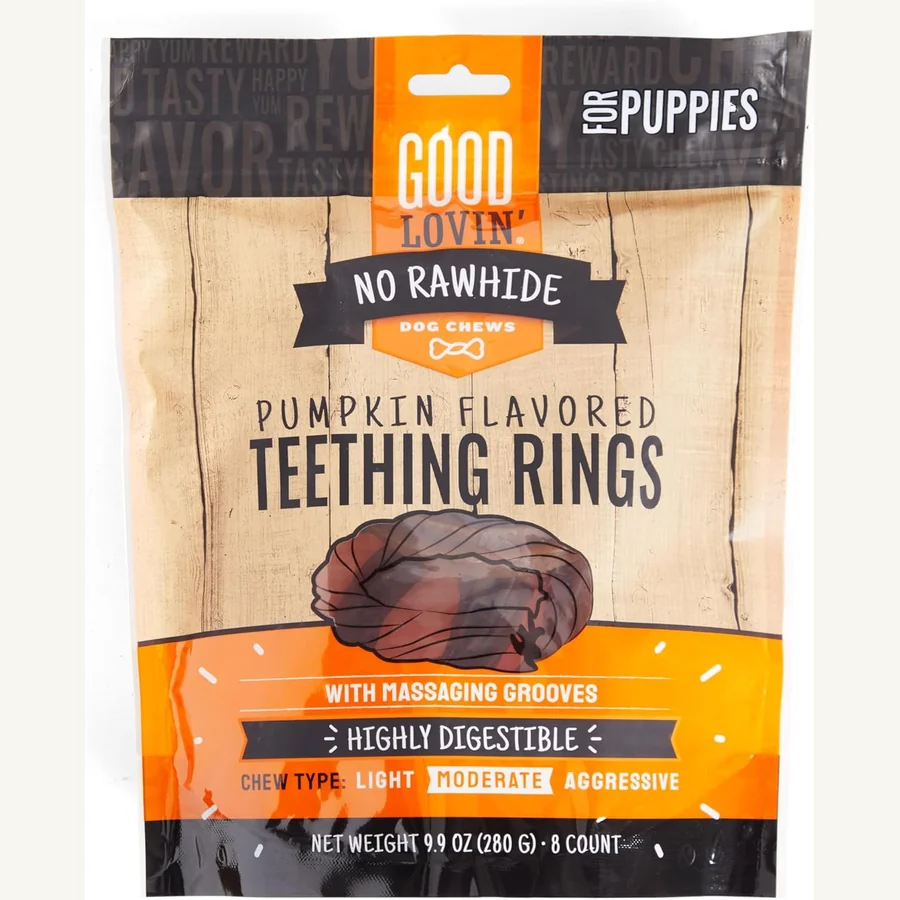
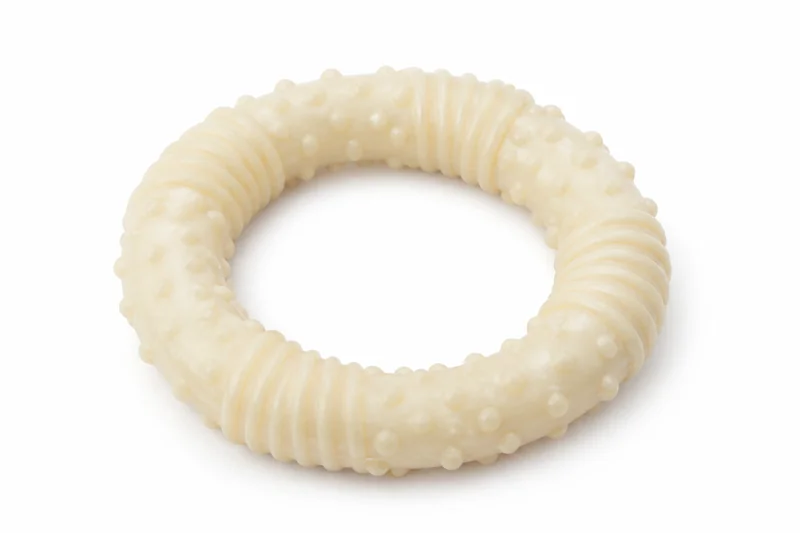
Pumpkin Puppy Rings
Eight rawhide-free pumpkin rings sized for teething puppies that need softer texture while sore gums heal.
Check Price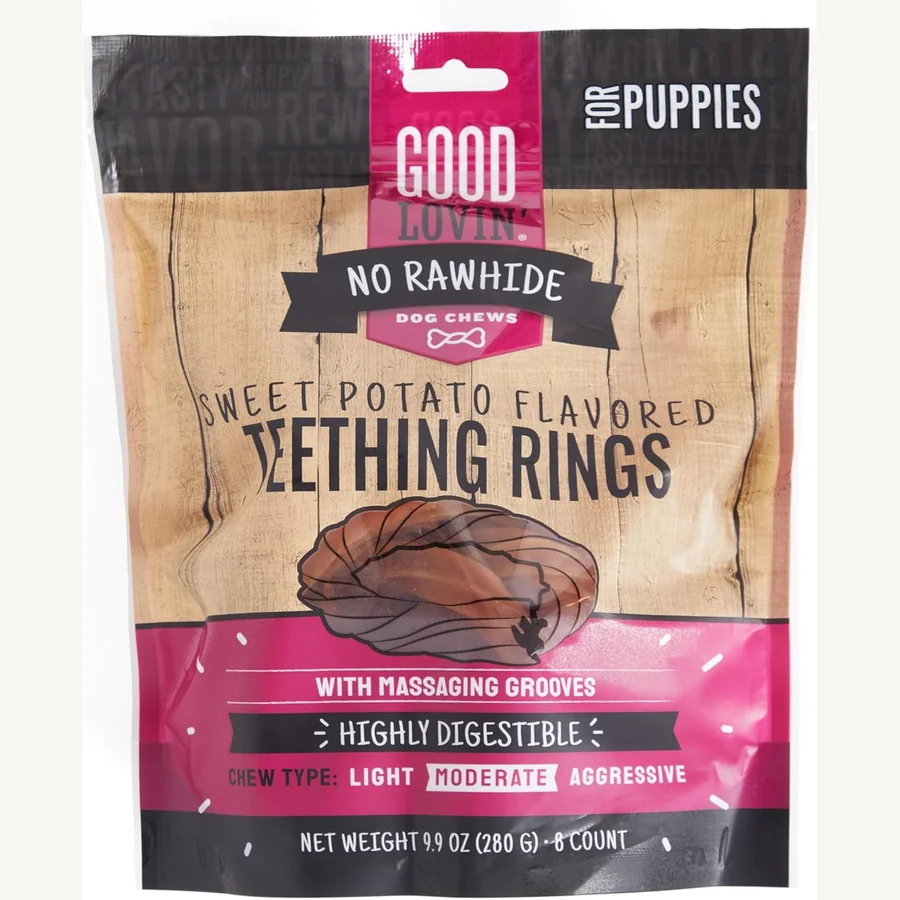
Sweet Potato Puppy Rings
Eight sweet-potato puppy rings without rawhide—gentle rings for young dogs learning healthy chewing habits.
Check Price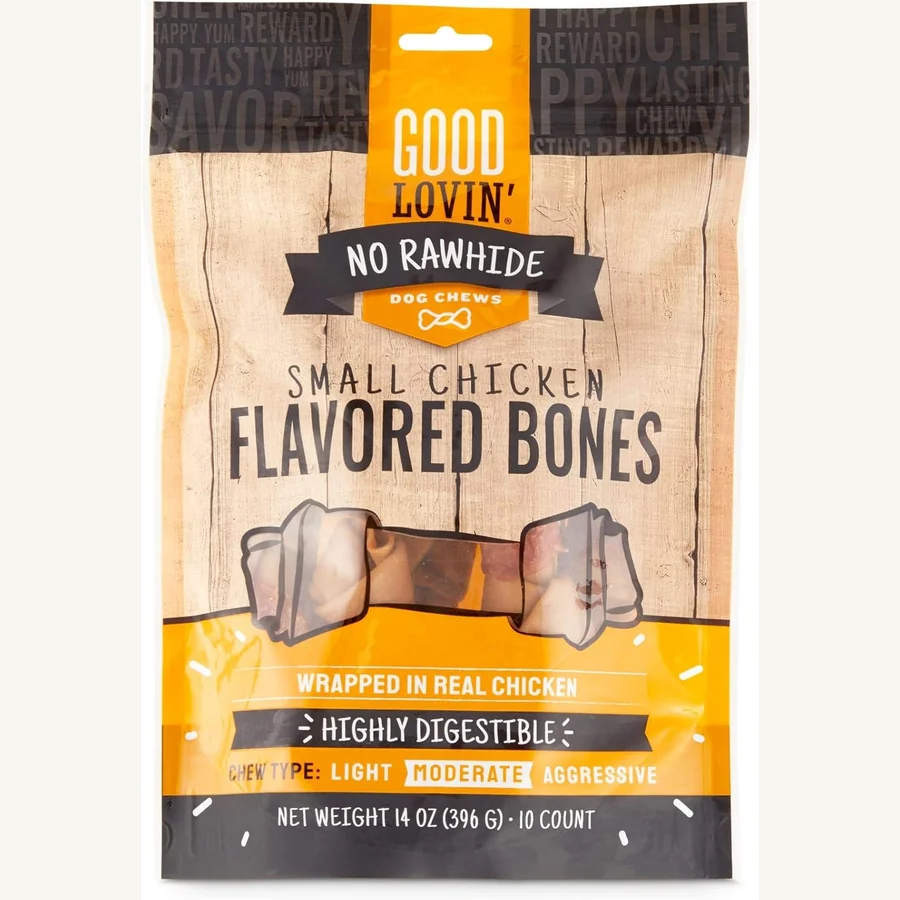
No-Rawhide Chicken Bones Small
Ten small chicken-flavored no-rawhide bones that suit puppies and small breeds needing digestible daily chews.
Check Price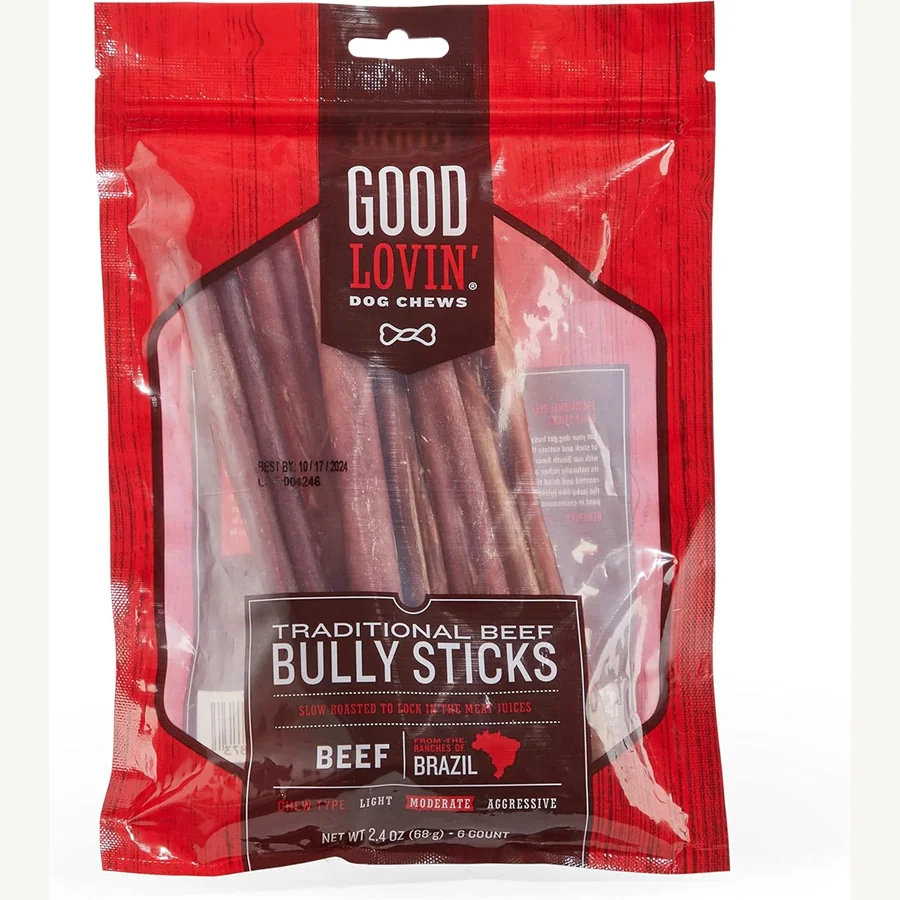
Traditional Bully Sticks 6-Pack
Six slow-roasted grass-fed bully sticks that give moderate chewers a protein-packed gnaw session with dental support.
Check PriceRelated picks
Puppy essentials
Six chews commonly included in puppy rotations.
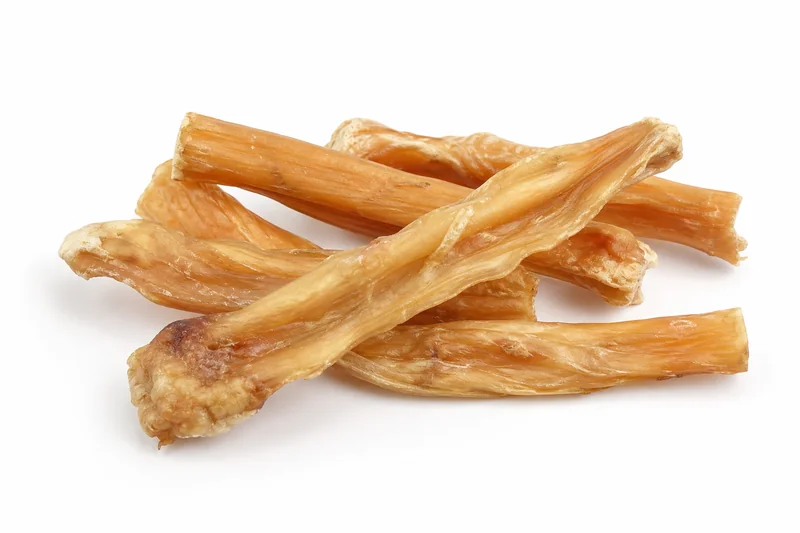
Turkey Tendons
Lean protein strips that satisfy light to moderate chewers without heavy grease.
Learn More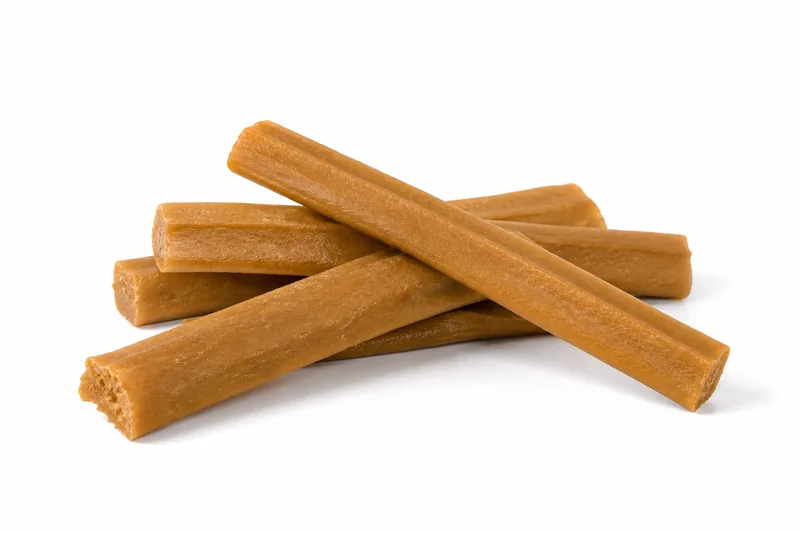
Peanut Butter Chews
Flavor-forward treats that keep picky dogs engaged through longer chew time.
Learn More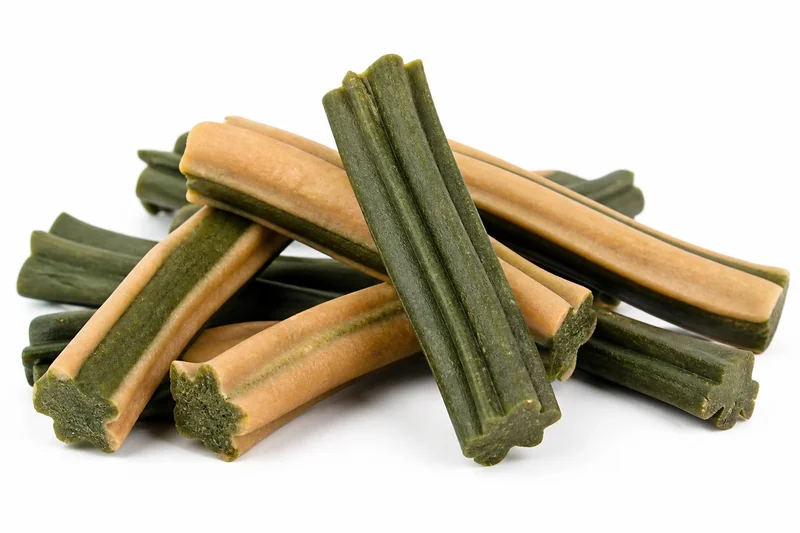
No-Rawhide Chews
Plant and collagen alternatives for owners avoiding traditional rawhide.
Learn More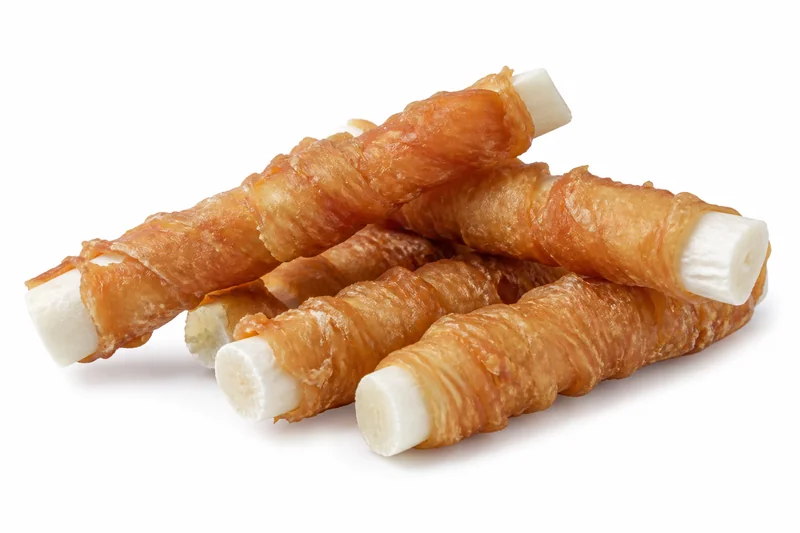
Pack purpose
Puppy packs bundle softer, smaller shapes so you learn whether your dog prefers rings, sticks or braids. Buying variety beats guessing with a twenty-count jumbo bully stick order.
Good Lovin assortments target pet parents in the first six months of ownership—when questions about safety and sizing peak.
Typical contents
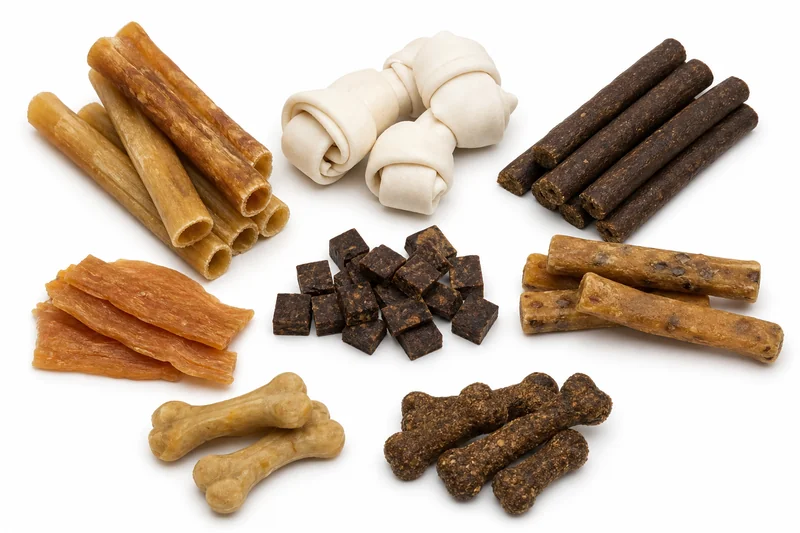
Expect teething-friendly rings, thin protein sticks, possibly mini collagen wraps and gentle training-size treats. Exact mixes vary by retailer SKU—photograph the contents list when you find a combination that works.
Compare net weight, not piece count, when evaluating value between brands.
Age milestones
Baby teeth erupt around three to six weeks; permanent teeth follow over months. Packs suit the transition window when gums ache but jaws cannot handle adult density.
Graduate piece by piece—not all at once—as each adult tooth set stabilizes.
Multi-dog homes
Separate puppies from adult dogs during chew time. Adults may steal softer puppy pieces or guard aggressively. Feed chews in crates or gated areas.
Even littermates should have individual portions to prevent bullying over high-value items.
Training integration
Use pack items as rewards for crate entry, recall practice or nail trim cooperation. Small pieces from the assortment beat breaking adult chews into unsafe shards.
Pair chewing with nap routines—post-chew calm helps puppies settle.
Vet checkpoints
Discuss chew introductions at puppy wellness visits. Breeders of brachycephalic dogs or giant breeds may advise custom timelines.
If loose stool persists beyond two days after starting chews, pause and ask your clinic for guidance.
Budget planning
Puppy packs cost more per ounce than bulk adult chews but prevent expensive mistakes. Treat the pack as tuition in learning your dog's preferences.
Once you identify two winning shapes, shift to larger bags of those specific items rather than endless variety packs.
Socialization tie-in
Offer pack items after positive puppy class sessions to build pleasant associations. Avoid chews immediately after stressful events—that can accidentally reinforce fear with food.
Invite visitors to ignore the puppy during first chew introductions so the dog learns calm chewing, not guarding people who approach.
Practical tips
Puppy packs reduce decision fatigue for first-time owners overwhelmed by aisle choices. Treat them as structured experiments: one new shape every few days while noting stool, enthusiasm and session length.
Rescue puppies may arrive with unknown chew history. Packs let you test gently before investing in bulk adult sizes inappropriate for underweight or stressed newcomers.
Growth spurts change chew preferences quickly. Reevaluate monthly rather than assuming week-one favorites still fit jaw strength two months later.
Keep packaging inserts with feeding tips; photograph them if you discard boxes so guidance stays searchable in your phone album.
When puppies graduate from packs, donate unopened soft items to foster programs if your dog sized up faster than inventory—shelters welcome sealed contributions.
Record which pack items lasted longest in a notes app. That log becomes your adult reorder list when puppyhood ends.
Owners often overestimate how long a chew will last and leave the house mid-session. Treat every chew like a stovetop pan—active while in use, never unattended.
Switching proteins too fast after diarrhea guarantees confusion about triggers. Reintroduce one chew category at a time with vet guidance when symptoms were serious.
Ignoring weight gain while increasing treat frequency is a common slip. Chews count toward daily calories even when labeled natural or single-ingredient.
Giving chews to settle every minor whine teaches demand barking. Reserve high-value shapes for structured calm time, not every vocalization.
Good Lovin chews work best inside a weekly rhythm rather than random surprises. Dogs learn to expect calm gnaw windows after walks or before you sit down for dinner, which reduces begging and destructive scavenging elsewhere in the home.
Keep a dedicated chew log for two weeks when trying a new category. Note minutes chewed, stool quality next morning, and whether your dog guarded the item. Patterns emerge faster on paper than in memory.
Households with cats should store chews in latched bins—feline curiosity plus dog protein scent creates counter heists that end with upset stomachs for the wrong species.
If your dog refuses a chew twice, do not force the third attempt that week. Interest may return after a break; persistence can create negative associations with the smell.
Retail endcaps change seasonally. Photograph facing labels when you find a favorite lot so clerks can locate back-stock even when displays rotate.
Label each sub-item in the pack with date opened so freshness stays visible during slow puppy growth.
Invite your trainer to recommend which pack shapes suit your class curriculum before bulk reordering.
Jamie Porter covers canine chew safety and nutrition for Good Lovin' Dog Chews. This guide is editorial and independent.