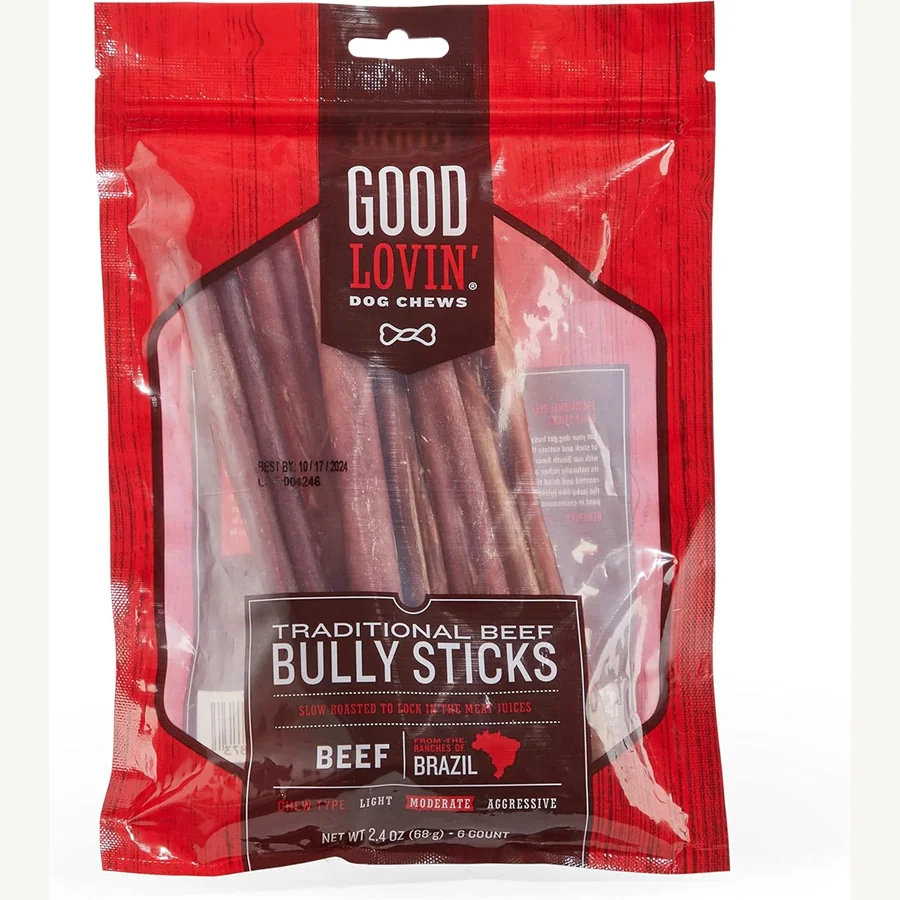
Traditional Bully Sticks 6-Pack
Six slow-roasted grass-fed bully sticks that give moderate chewers a protein-packed gnaw session with dental support.
Check Price
Good Lovin' Dog Chews is a popular pet brand known for bones, chews and treats that satisfy a dog's urge to gnaw while supporting dental health. From no-rawhide alternatives to long-lasting bully sticks, the range helps owners match texture to temperament.
We built this guide for pet parents who want honest comparisons—not hype. Learn which shapes suit aggressive chewers, when to choose collagen over rawhide, and how supervision turns a treat into a safe habit.

Dental support
Gnaw time that counts
Best sellers
Four chews pet parents reorder most—bully sticks, no-rawhide bones, puppy rings and lean tendons from the brand lineup.
Six slow-roasted grass-fed bully sticks that give moderate chewers a protein-packed gnaw session with dental support.
Check Price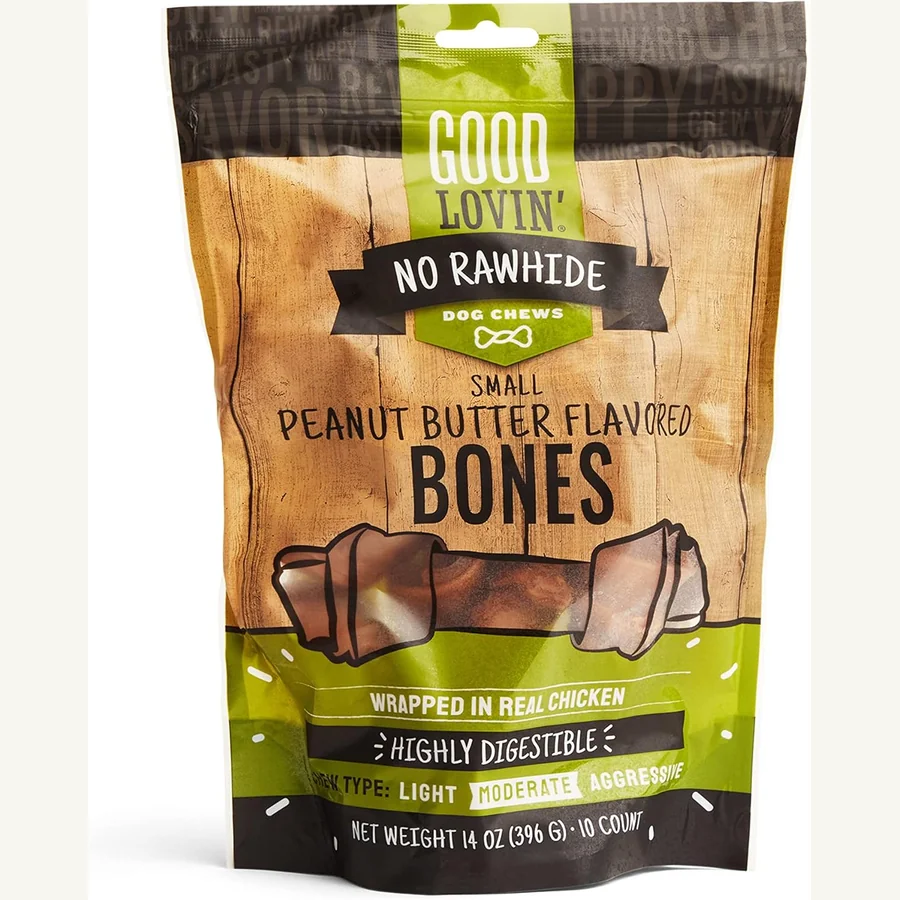
Ten small peanut-butter bones with no traditional rawhide—flavor-forward chews picky dogs finish without heavy fillers.
Check Price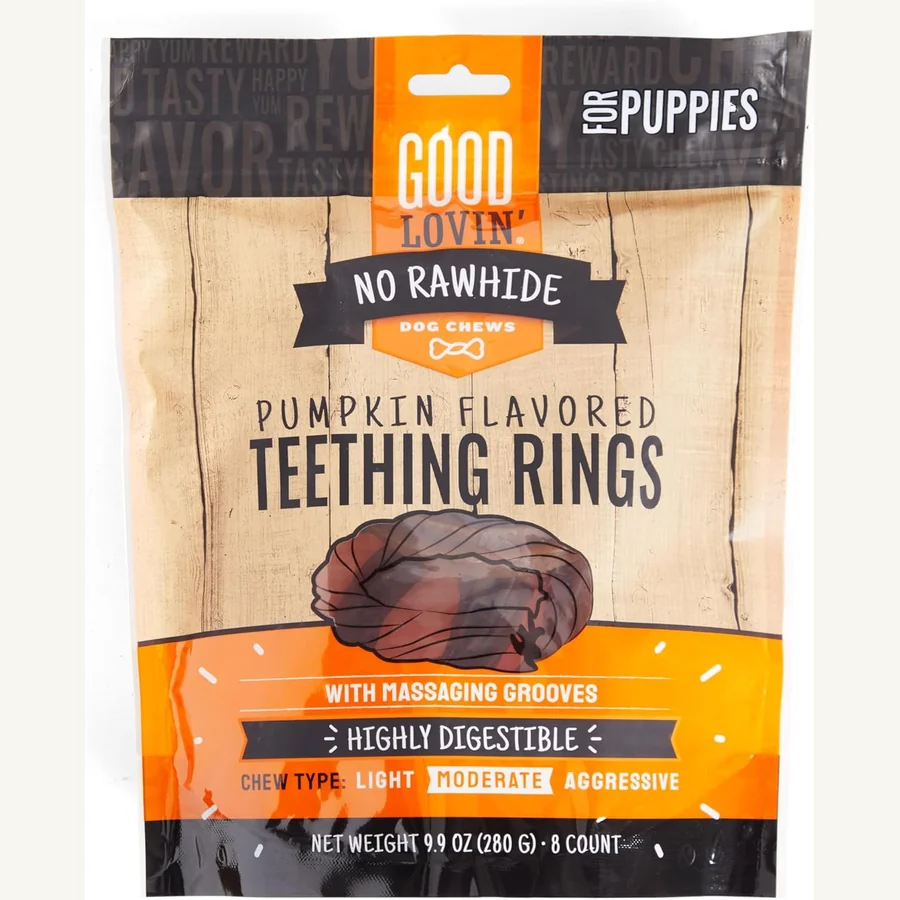
Eight rawhide-free pumpkin rings sized for teething puppies that need softer texture while sore gums heal.
Check Price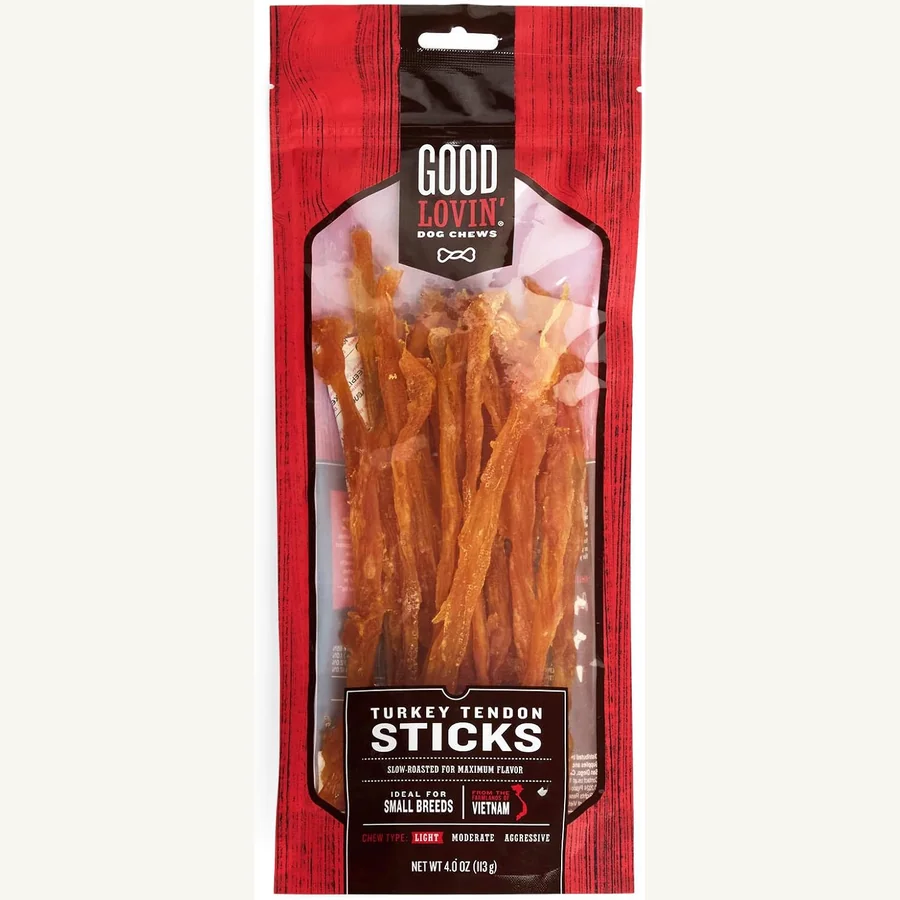
Lean turkey tendon strips with vegetable glycerin—ideal for dogs that prefer lighter protein chews over heavy grease.
Check PriceCategories
Match texture, density and flavor to your dog's age and chew style—start with the category that fits best.
Single-ingredient chews for daily gnawing.
Learn more →Lean strips for lighter chew sessions.
Learn more →Gentle rings for growing puppies.
Learn more →Flavor-rich chews picky dogs love.
Learn more →Dense options for strong jaws.
Learn more →Starter assortment for young dogs.
Learn more →Traditional rolls and alternatives.
Learn more →Real feedback from pet parents.
Learn more →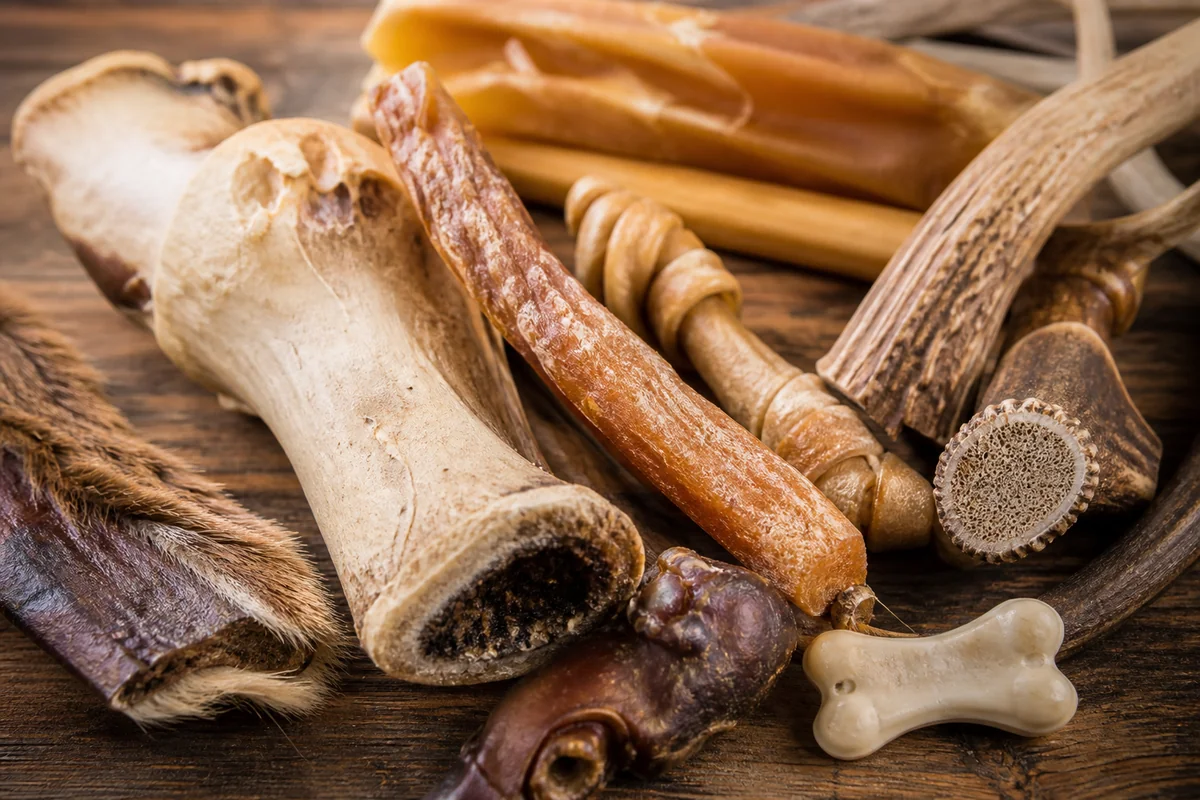
Why Good Lovin
Dogs chew for stress relief, jaw exercise and plain enjoyment. Good Lovin focuses on shapes that last long enough to matter—without hiding questionable fillers behind flashy packaging.
The lineup spans highly digestible no-rawhide options wrapped in real chicken, collagen chews for aggressive gnawers, and natural parts like pork skin rolls and dehydrated beef trachea for extended sessions.
Vegetable and collagen alternatives for sensitive stomachs.
Bully sticks and dense bones for power chewers.
Softer rings and starter packs for growing dogs.
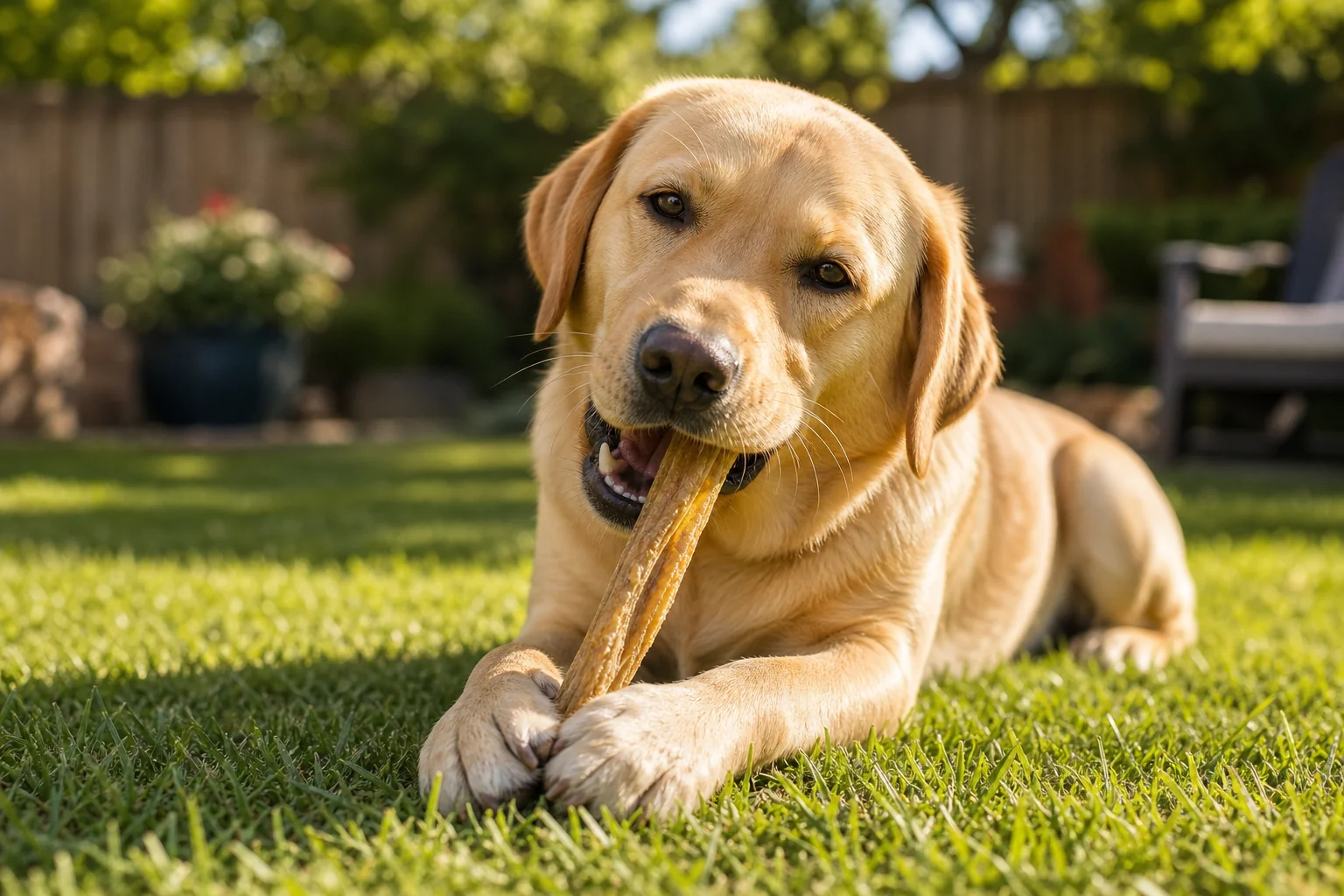
Pick a chew that matches your dog's energy—and supervise every session.
Power chewer guideEvery dog chews differently. A Labrador may gently hold a tendon for twenty minutes while a terrier demolishes the same shape in five. Good Lovin' Dog Chews works best when you treat texture like a tool: match density to jaw strength, protein type to sensitivities, and session length to your schedule.
No-rawhide chews made from vegetables or collagen often suit dogs with sensitive digestion. Many are wrapped in real chicken or flavored with peanut butter to boost palatability without adding rawhide. Bully sticks and collagen chews remain favorites for aggressive chewers because they break down slowly and keep dogs occupied.
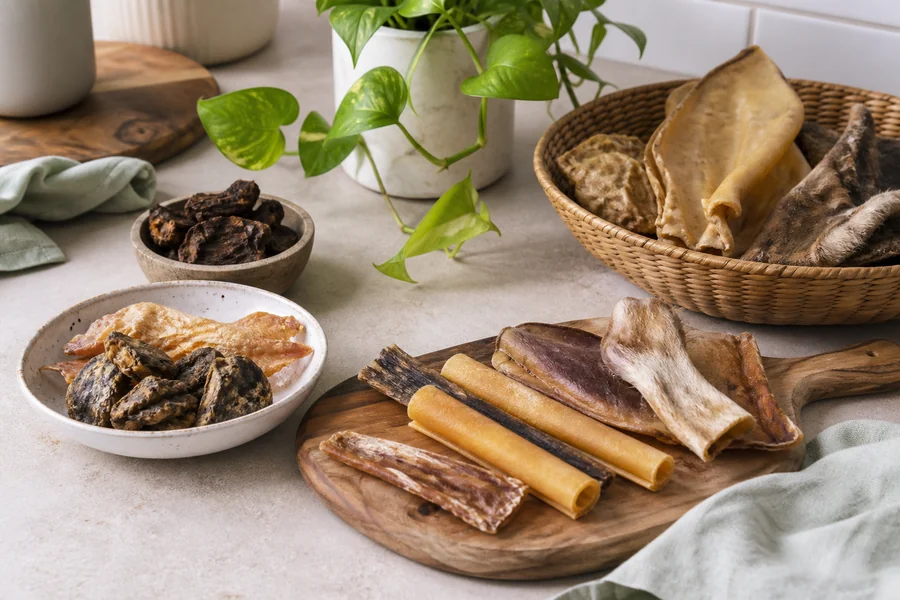
Natural bones and parts—pork skin rolls, dehydrated beef trachea, BBQ pig ears—offer longer sessions for dogs that treat every object like a project. These options shine on rainy afternoons when a walk is short but energy is high. They are not universal: harder natural chews like hooves or marrow bones can fracture teeth in dogs that bite down with full force.
Safety comes first. Pig ears and bulky chews can pose choking hazards for dogs that gulp rather than gnaw. Always monitor your dog, remove pieces that shrink below a safe size, and consult your veterinarian if your pet has dental disease, pancreatitis or a history of gastrointestinal blockages.
Supervision is not optional—it is the difference between a enriching habit and an emergency vet visit. Watch for splintering, bloody gums, or sudden loss of interest that might signal mouth pain. Rotate chew types weekly so jaws encounter varied textures and less repetitive strain on the same teeth.
Dental health benefits accumulate when chews are appropriate. Mechanical scraping can reduce plaque on reachable surfaces, but chews do not replace professional cleanings or daily tooth brushing for at-risk breeds. Use them as one layer in a broader wellness plan.
Puppies need softer introductions. Teething rings and curated puppy packs help sore gums without overwhelming immature digestive systems. Graduate to denser proteins only when adult teeth are in and your vet agrees the dog is ready.
Flavor matters for picky eaters. Peanut butter profiles and chicken-wrapped collagen can restart interest in dogs bored by plain shapes. Keep calorie impact in mind—chews count toward daily intake, especially for small breeds.
Storage extends freshness. Reseal bags, keep chews away from humidity, and discard anything that smells rancid or feels oddly soft. A chew that changed texture overnight is not worth the risk.
Ready to dive deeper? Explore our dedicated guides for bully sticks, turkey tendons, teething rings, and rawhide alternatives. Read owner reviews for real-world durability notes.
Size charts on packaging are starting points, not laws. A border collie and a bulldog both weigh sixty pounds yet need different chew geometries—snout length, bite force and gulping tendency matter more than scale digits.
Good Lovin earns loyalty when owners treat chews as scheduled enrichment rather than panic distractions. Plan sessions before stressful triggers—doorbell, leash grab, fireworks—so your dog learns chews predict calm, not chaos.
Allergy trials should change one protein at a time. Mixing new chews with new kibble in the same week confuses elimination diets your vet might recommend later.
Travel kits deserve dedicated chews sealed from home inventory. Airport and roadside pet aisles stock unfamiliar SKUs that may upset stomachs mid-trip.
Senior dogs often regain interest in softer chews after dental cleanings remove painful tartar. Reintroduce gently post-recovery per your clinic timeline.
Weight management programs can keep chews while trimming kibble—your vet calculates safe treat calories so progress continues without guilt.
Finally, teach everyone in the household the discard rules. One person leaving worn nubs behind undermines safety for the whole pack.
Our values
Four principles guide how we evaluate every chew in the Good Lovin lineup.
Clear protein sources and honest density ratings.
Supervision reminders on every product page.
Options from puppy-soft to power-chew dense.
Consistent sizing and fresh packaging standards.

In real homes
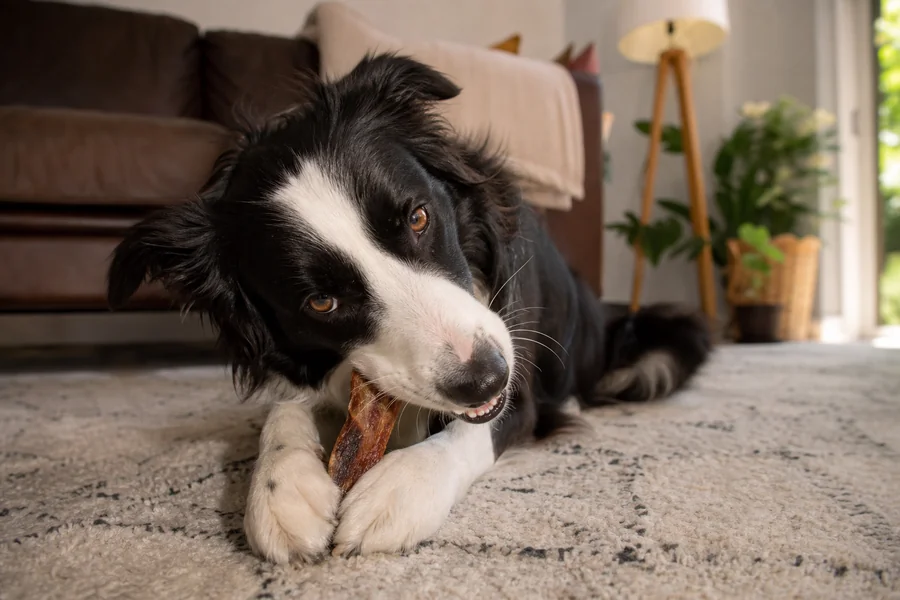

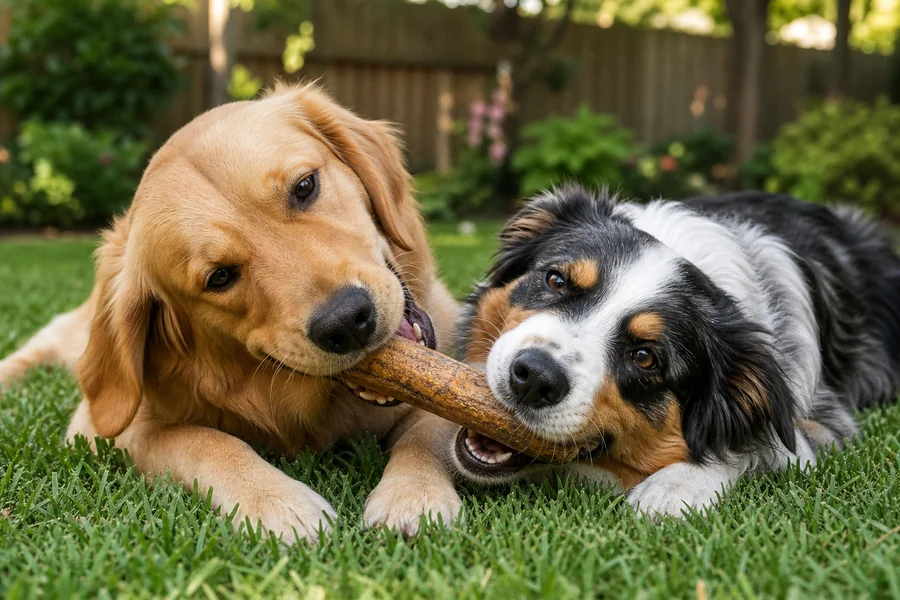
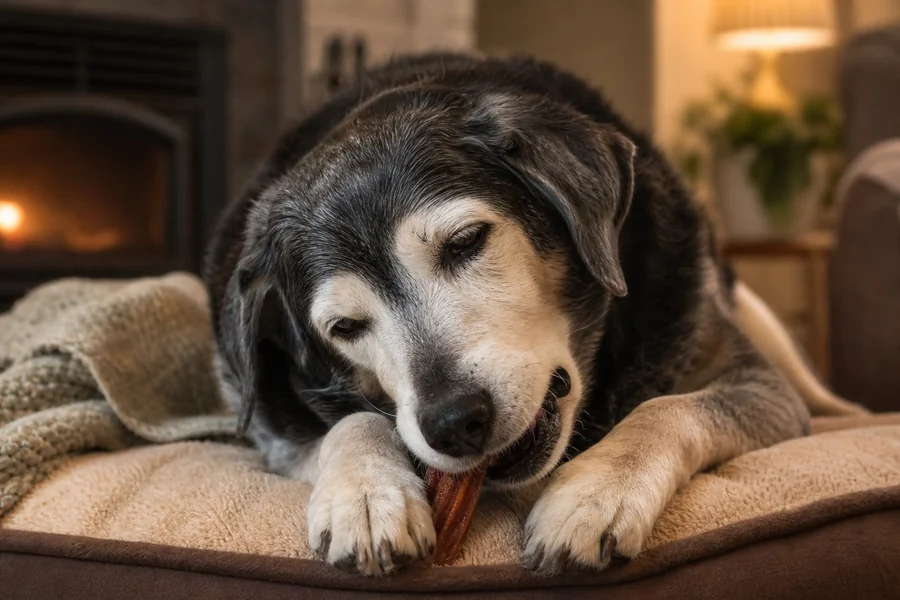
"Bully sticks last longer than any treat we've tried. I still watch her, but she finally settles on rainy days."
Maria K. · Austin
"Turkey tendons are perfect for our senior—easy to chew without the grease of pig ears."
David L. · Denver
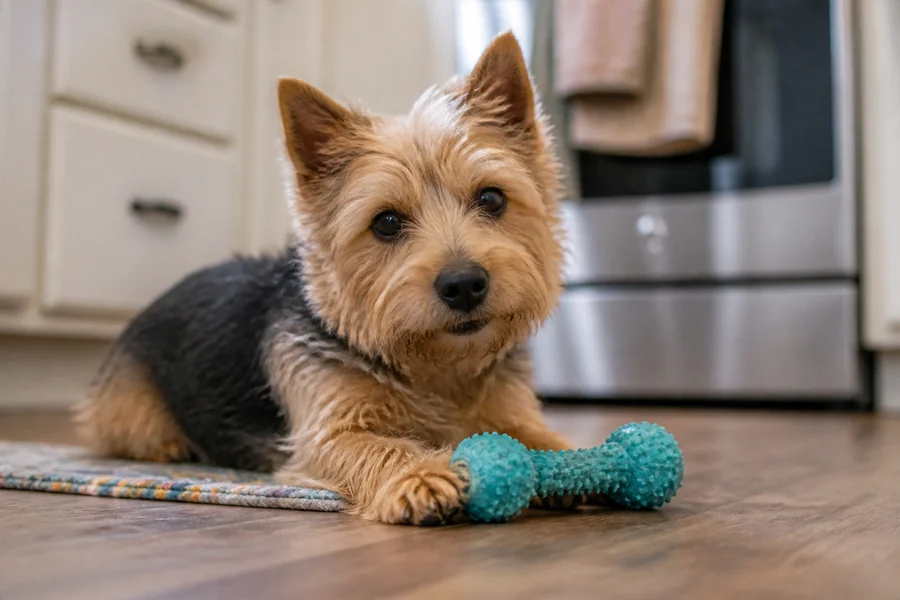
"The puppy pack helped us figure out what our lab mix could handle before we sized up."
Jen S. · Columbus
Choose shapes larger than your dog's mouth width to reduce swallow risk.
Stay nearby and remove worn pieces before they become choke hazards.
Hooves and marrow bones may fracture teeth on aggressive biters.
Dogs with pancreatitis, allergies or dental disease need tailored picks.
FAQ
Chews can be safe when matched to your dog's size, chew style and health. Always supervise and remove pieces small enough to swallow whole.
Most adult dogs enjoy one supervised chew session daily. Puppies may need shorter, softer sessions—ask your vet for growth-stage guidance.
Some dogs tolerate rawhide well; others do better with collagen or vegetable alternatives. See our rawhide guide for trade-offs.
Start with softer shapes like teething rings or a puppy pack before moving to denser chews.
Replace any chew that splinters, smells off, or shrinks below a safe size. Never leave a dog alone with a worn-down piece.
Browse categories built for your dog's age, size and chew style.
View puppy picks