
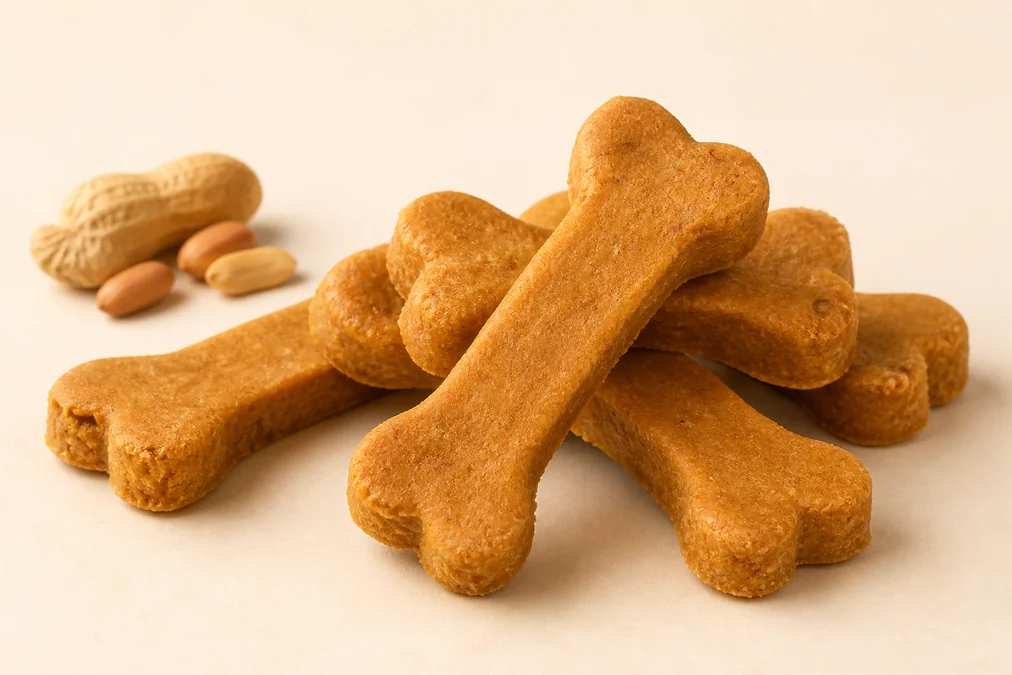
Peanut Butter Chews
Flavor-forward shapes that keep picky dogs engaged when plain protein feels boring.
Best sellers
Best Flavored Chew Picks
Peanut butter and chicken no-rawhide bones plus puppy rings for flavor-driven dogs.
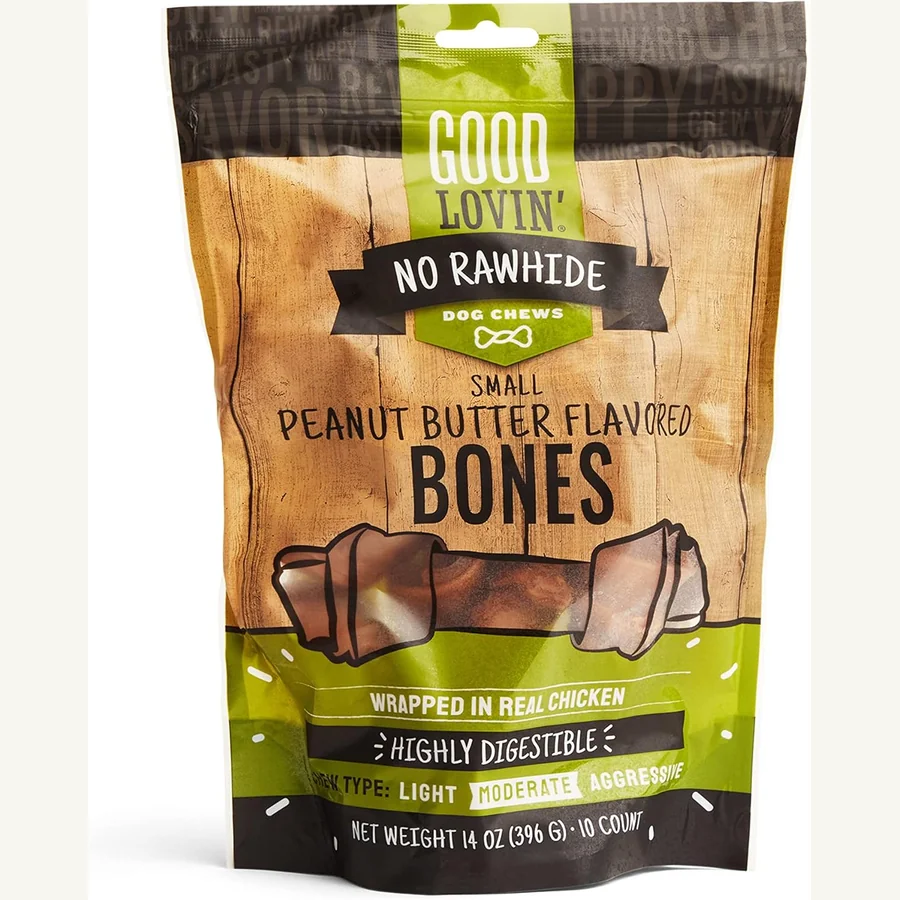
No-Rawhide Peanut Butter Bones
Ten small peanut-butter bones with no traditional rawhide—flavor-forward chews picky dogs finish without heavy fillers.
Check Price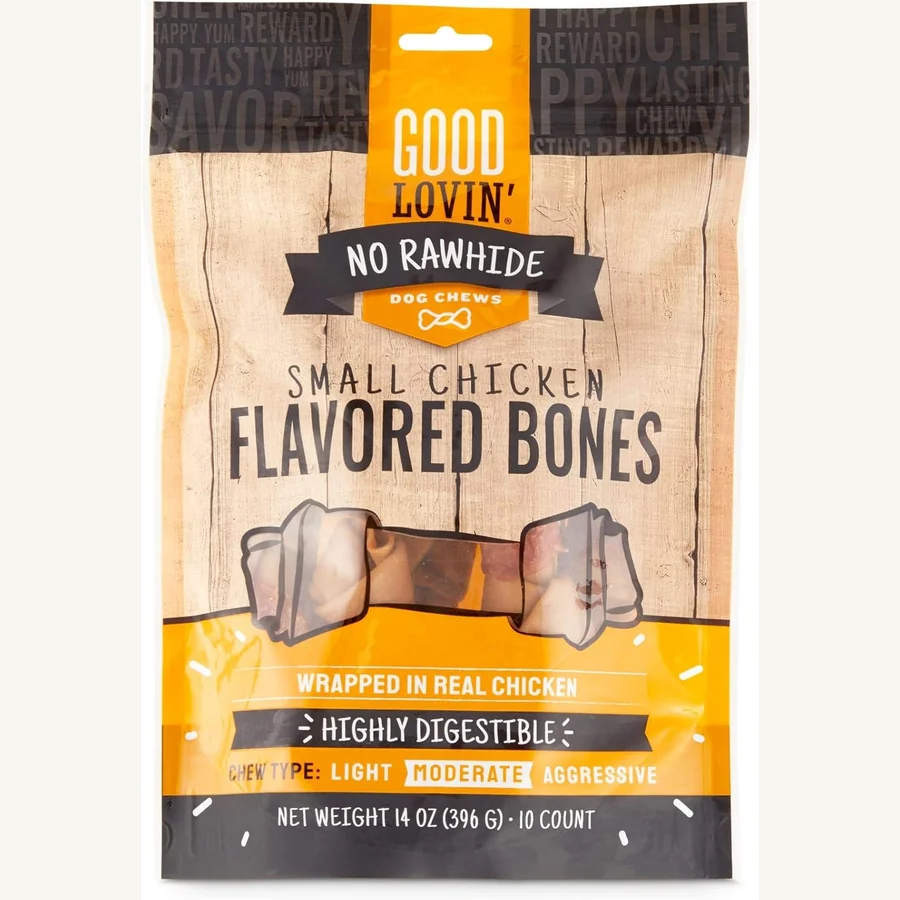
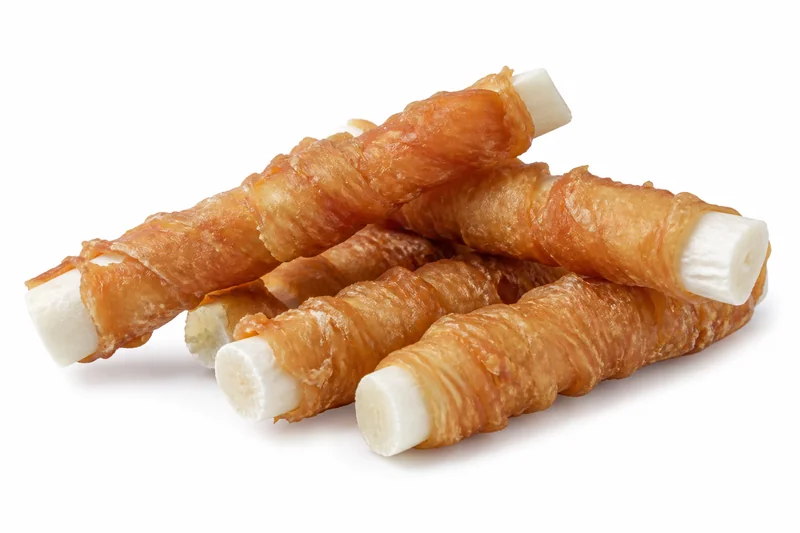
No-Rawhide Chicken Bones Small
Ten small chicken-flavored no-rawhide bones that suit puppies and small breeds needing digestible daily chews.
Check Price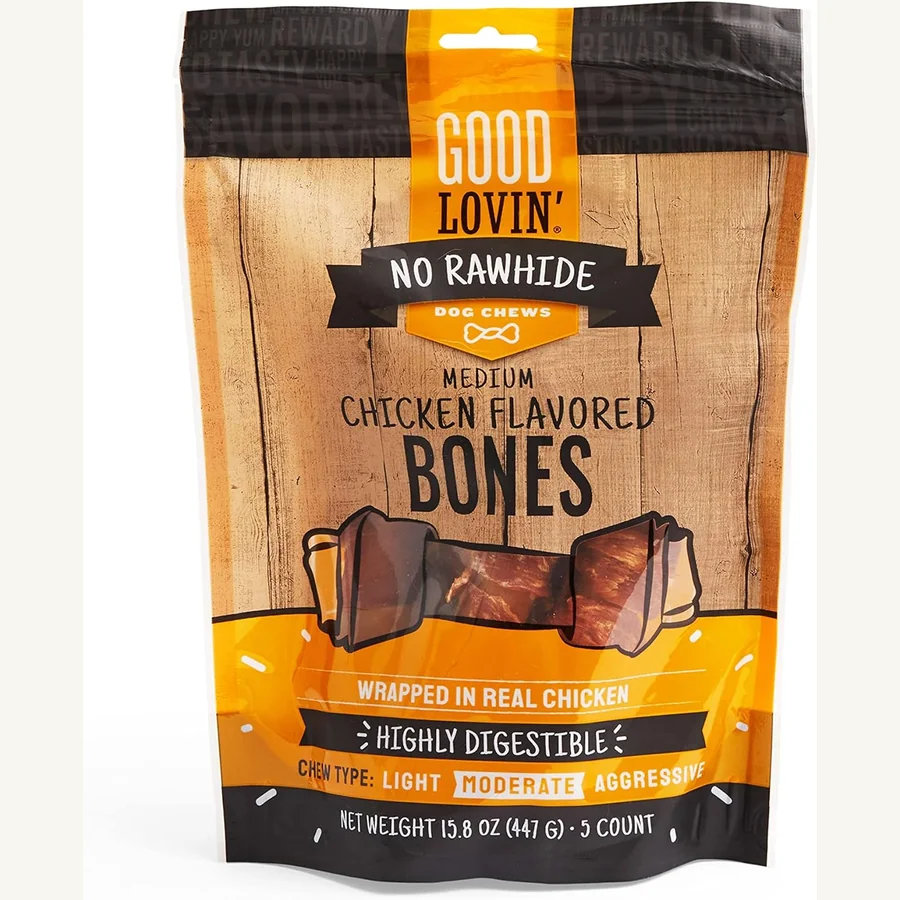
No-Rawhide Chicken Bones Medium
Five medium chicken no-rawhide bones wrapped in real flavor—a staple for households avoiding traditional hide.
Check Price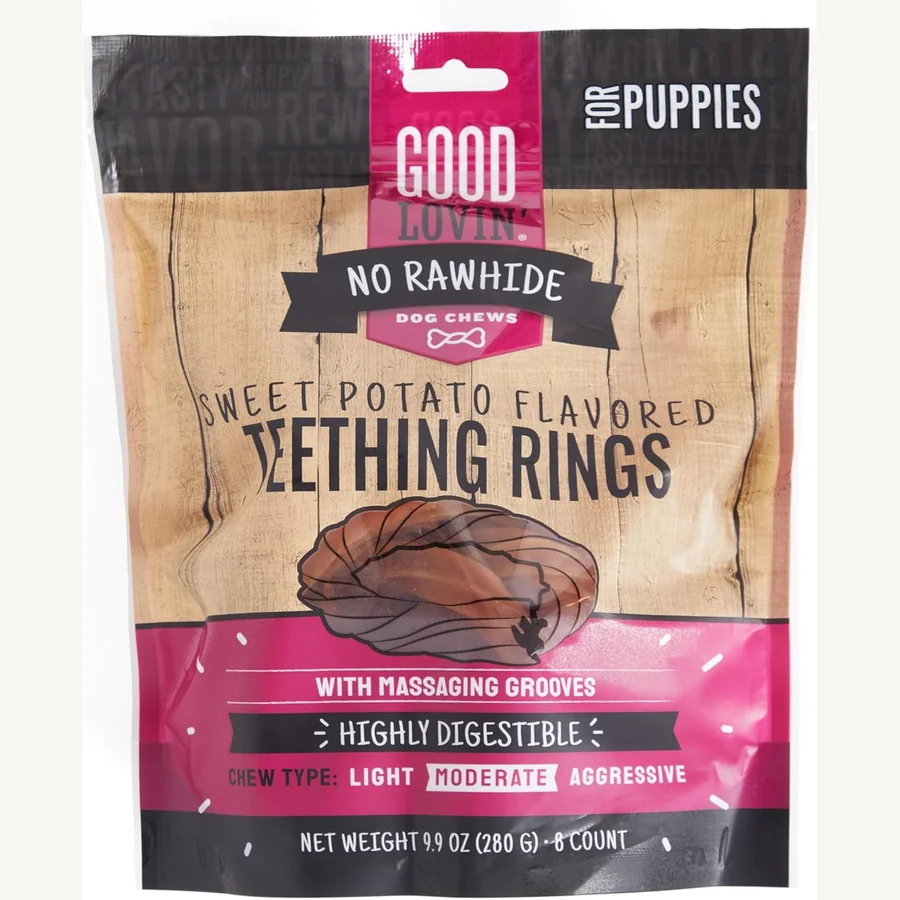
Sweet Potato Puppy Rings
Eight sweet-potato puppy rings without rawhide—gentle rings for young dogs learning healthy chewing habits.
Check PriceRelated picks
Flavor favorites
Eight tasty options owners combine with peanut butter profiles.
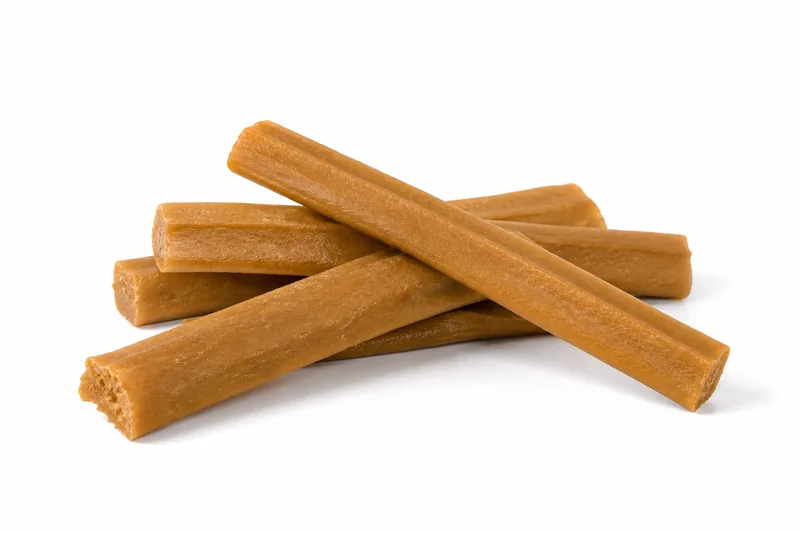
Peanut Butter Chews
Flavor-forward treats that keep picky dogs engaged through longer chew time.
Learn More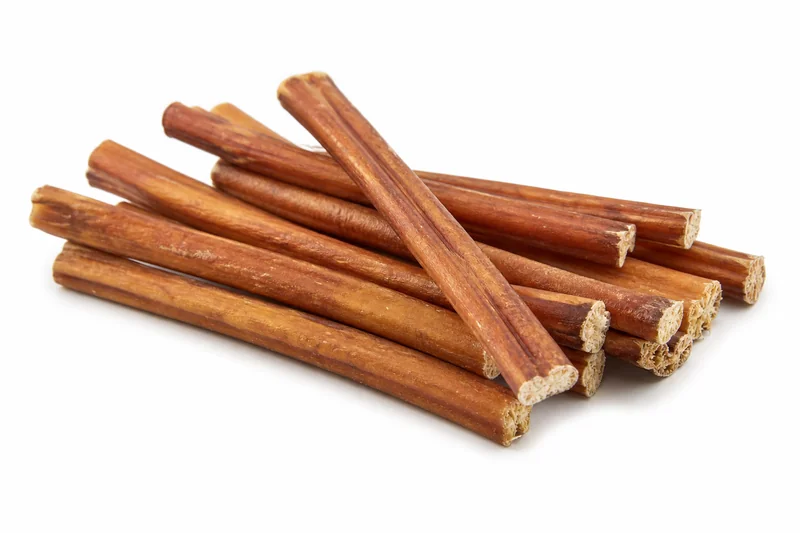
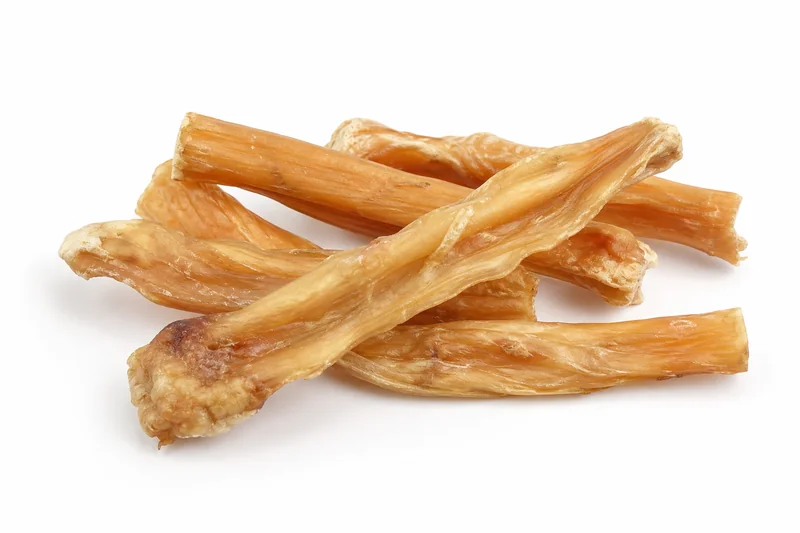
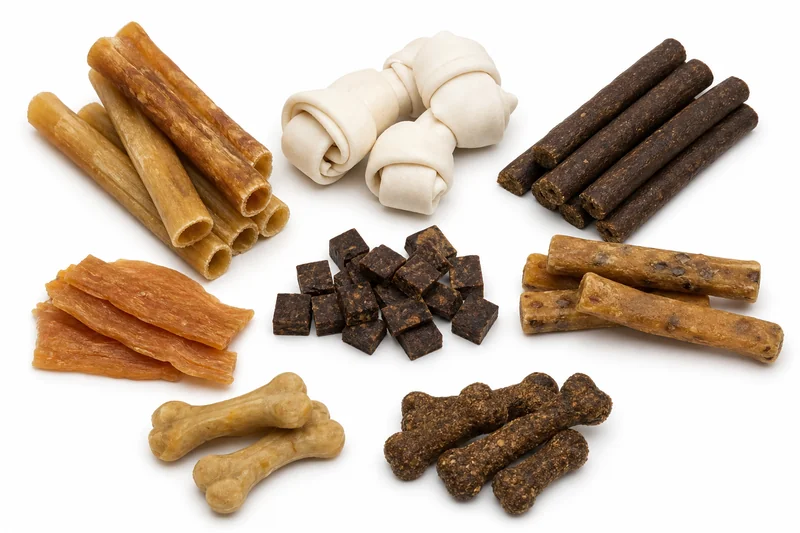
Turkey Tendons
Lean protein strips that satisfy light to moderate chewers without heavy grease.
Learn More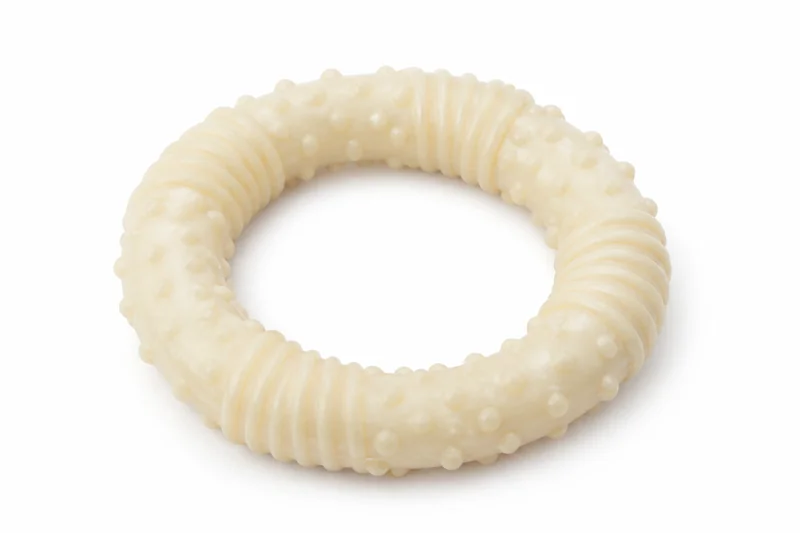
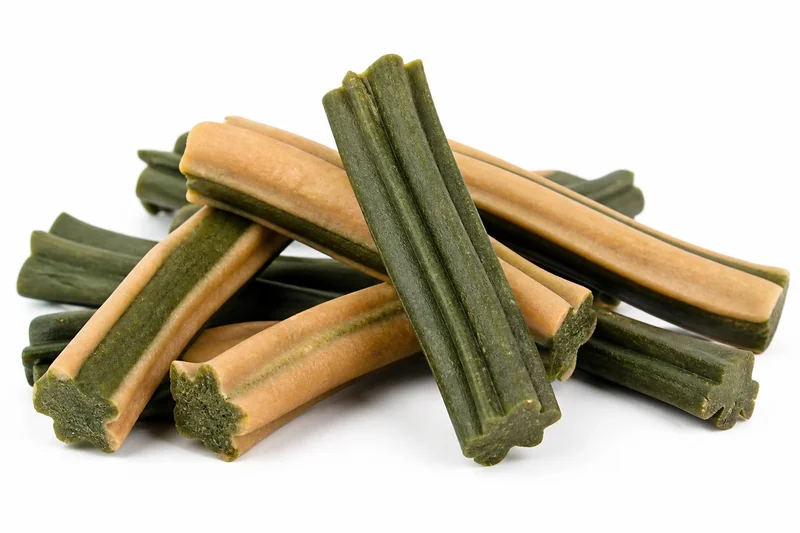
No-Rawhide Chews
Plant and collagen alternatives for owners avoiding traditional rawhide.
Learn More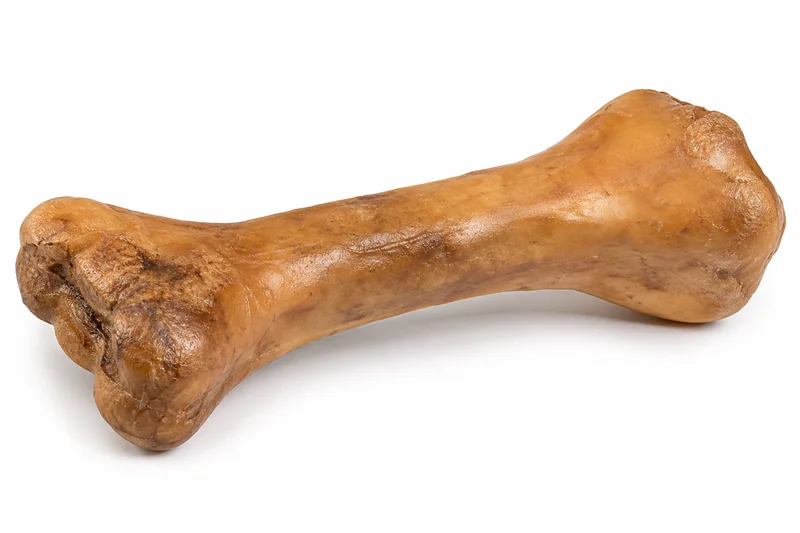
Why flavor works
Dogs discriminate by scent long before taste. Peanut butter aroma triggers enthusiasm in many North American households already using PB as a pill pocket or kong filler.
Good Lovin peanut butter chews coat or infuse digestible bases—collagen, vegetable blends or baked doughs—so flavor lasts through the first several minutes of chewing.
Ingredient awareness
Confirm the product uses dog-safe formulations without xylitol—a sweetener lethal to dogs. Reputable pet brands avoid xylitol, but always read labels when trying new SKUs.
Watch for added sugars and salt if your dog has cardiac or renal conditions.
Allergy considerations
Peanut allergies exist in dogs though they are less common than poultry or beef triggers. Introduce small portions and monitor for ear inflammation, paw licking or GI upset.
If peanuts are off limits, chicken-wrapped collagen offers similar enthusiasm for many dogs.
Calorie density
Flavored chews can run higher in fat than plain tendons. Account for training treats and kibble when adding peanut butter products to weekly routines.
Break large chews into halves for small breeds to spread calories across two sessions.
Enrichment pairing
Combine peanut butter chews with puzzle feeders—hide pieces in snuffle mats for nose work that extends engagement without increasing quantity.
Avoid free-feeding flavored chews in multi-dog homes; separate dogs to prevent resource guarding.
Storage and freshness
Seal bags tightly; peanut oils go rancid if exposed to air for weeks. Rancid smell means discard the lot.
Do not mix opened flavored chews with plain proteins in one container—cross odor can accelerate staleness.
Rotation ideas
Alternate peanut butter days with turkey tendon days to diversify fat intake and prevent flavor fatigue.
See our bully sticks and puppy pack guides for balanced weekly menus.
Mess management
Peanut coatings can transfer to upholstery. Use a dedicated chew towel under your dog's chest—machine wash weekly.
Light-colored dogs may get temporary smudges around the muzzle; damp cloth cleanup beats bathing after every session.
Training bridge
Flavored chews reward calm behavior after grooming or vet handling. Split chews into training-sized portions rather than giving full shapes after minor tasks—preserve value by reserving whole chews for major milestones.
Practical tips
Peanut butter flavoring bridges picky eaters toward chew routines that support dental scraping. Dogs that refuse plain collagen may accept the same base once coated—watch total fat when combining flavored and plain items weekly.
Human peanut butter jars differ from pet formulations. Never substitute jar PB with xylitol for dog chews; stick to pet-labeled products whose ingredient panels you verify each purchase.
Seasonal humidity affects coating adhesion. Summer sticky coats may feel messy; winter dry air can crack outer layers. Storage climate matters as much as recipe.
Flavor rotation prevents habituation. Alternate peanut butter profiles with chicken wraps so enthusiasm stays high without over-relying on one allergen family.
Photograph ingredient panels when your dog thrives on a batch. Reformulations happen quietly; archived images help you spot changes before digestive upset appears.
Owners often overestimate how long a chew will last and leave the house mid-session. Treat every chew like a stovetop pan—active while in use, never unattended.
Switching proteins too fast after diarrhea guarantees confusion about triggers. Reintroduce one chew category at a time with vet guidance when symptoms were serious.
Ignoring weight gain while increasing treat frequency is a common slip. Chews count toward daily calories even when labeled natural or single-ingredient.
Giving chews to settle every minor whine teaches demand barking. Reserve high-value shapes for structured calm time, not every vocalization.
Good Lovin chews work best inside a weekly rhythm rather than random surprises. Dogs learn to expect calm gnaw windows after walks or before you sit down for dinner, which reduces begging and destructive scavenging elsewhere in the home.
Keep a dedicated chew log for two weeks when trying a new category. Note minutes chewed, stool quality next morning, and whether your dog guarded the item. Patterns emerge faster on paper than in memory.
Households with cats should store chews in latched bins—feline curiosity plus dog protein scent creates counter heists that end with upset stomachs for the wrong species.
If your dog refuses a chew twice, do not force the third attempt that week. Interest may return after a break; persistence can create negative associations with the smell.
Retail endcaps change seasonally. Photograph facing labels when you find a favorite lot so clerks can locate back-stock even when displays rotate.
Wipe muzzles after flavored sessions to prevent skin irritation around the lips for wrinkle-heavy breeds.
Pair peanut butter chews with puzzle toys only when you can supervise—empty toys become new chew targets.
Jamie Porter covers canine chew safety and nutrition for Good Lovin' Dog Chews. This guide is editorial and independent.