

Bully Sticks Breakdown
Single-ingredient sticks that rank among the longest-lasting everyday chews in the Good Lovin lineup.
Best sellers
Best Bully Stick Listings
Traditional, braided and spring bully shapes from Good Lovin for dogs that love long beef chews.
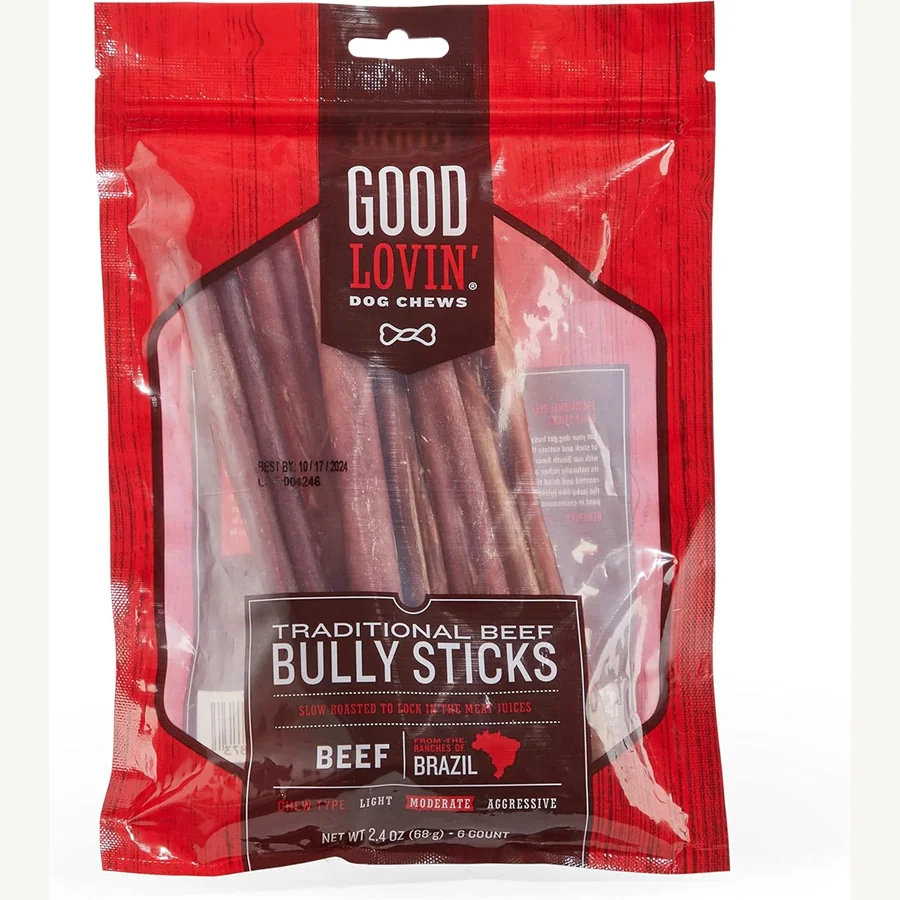
Traditional Bully Sticks 6-Pack
Six slow-roasted grass-fed bully sticks that give moderate chewers a protein-packed gnaw session with dental support.
Check Price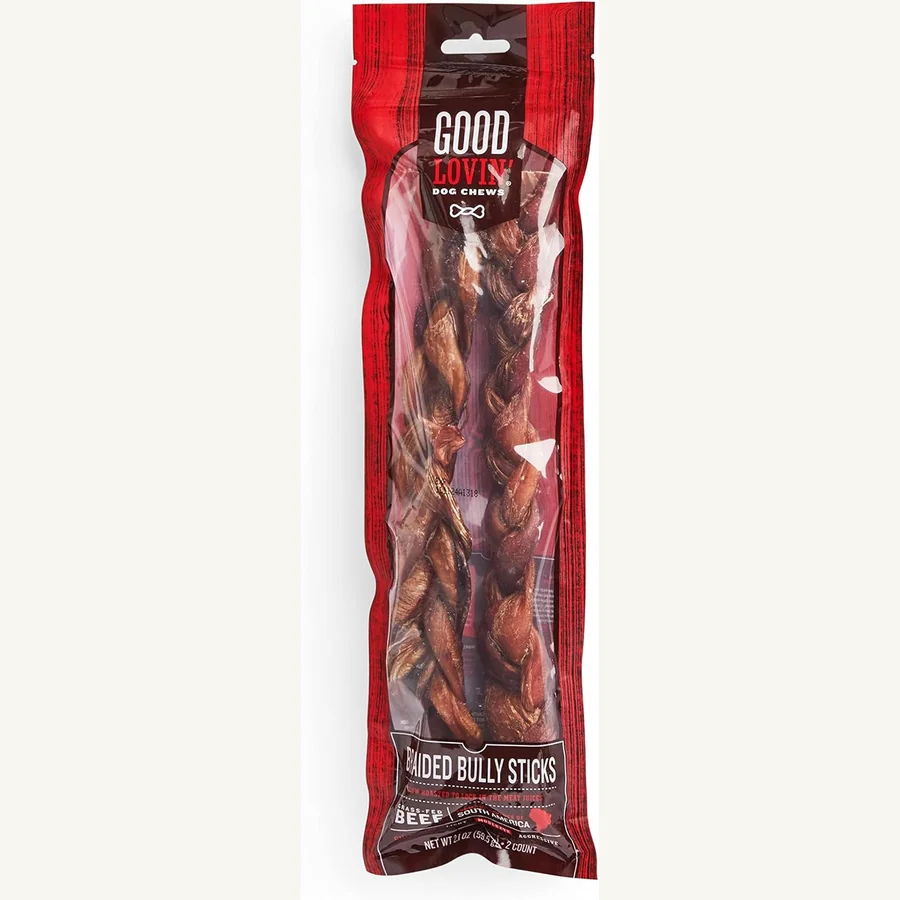
Braided Bully Stick 2-Pack
Two braided beef pizzle sticks that last longer than flat cuts—popular with moderate chewers who love meaty density.
Check Price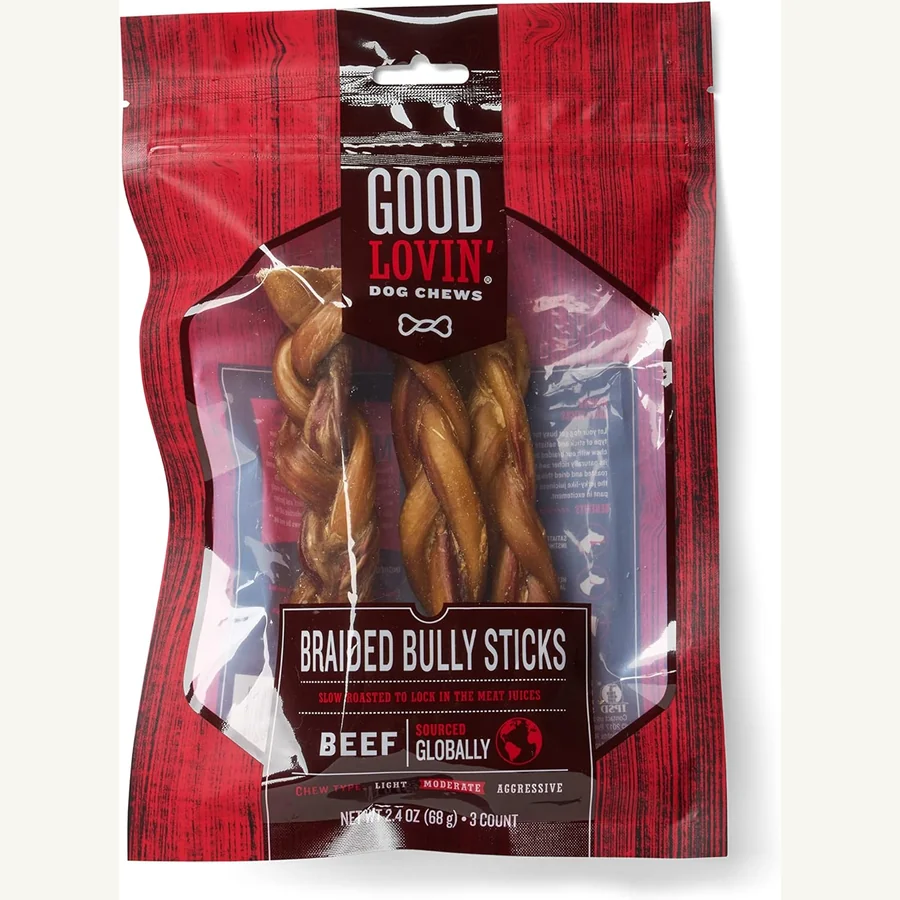
Braided Bully Sticks 3-Pack
A three-pack of braided bully sticks with extra surface area for dogs that need more grip and longer chew time.
Check Price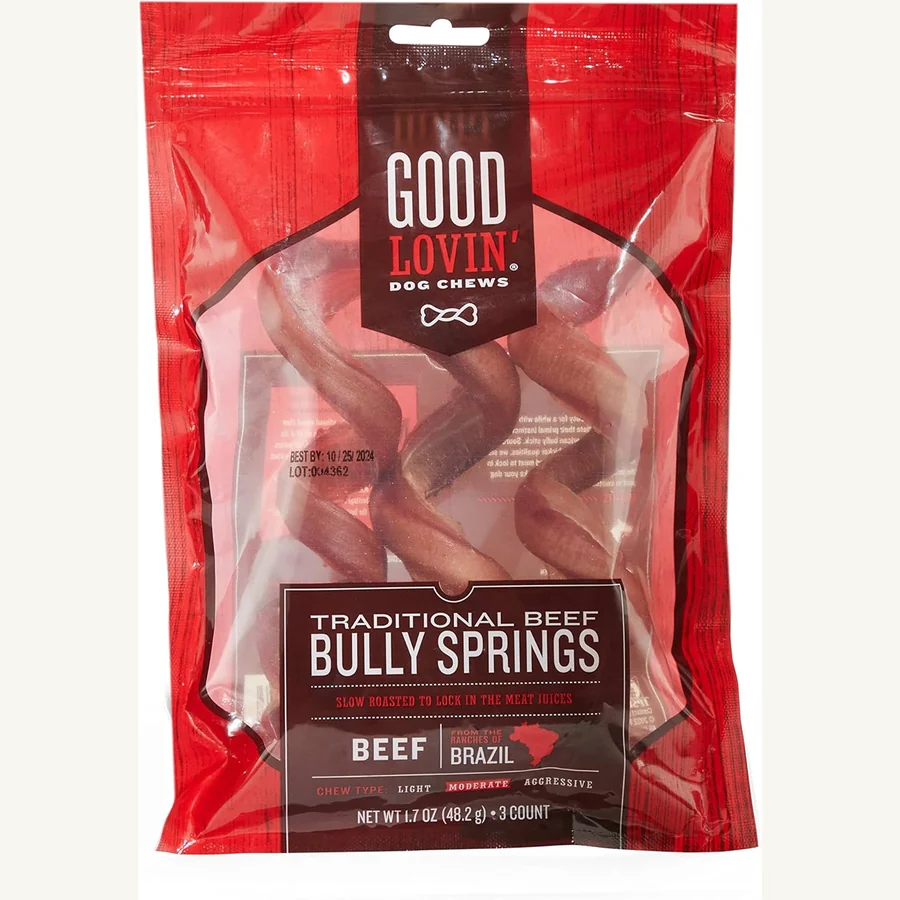
Bully Spring Chews
Three coiled bully springs that twist as dogs chew—helpful for jaw exercise and dogs bored by straight sticks.
Check PriceRelated picks
Stick and protein picks
Seven related chews frequently bought alongside bully sticks.
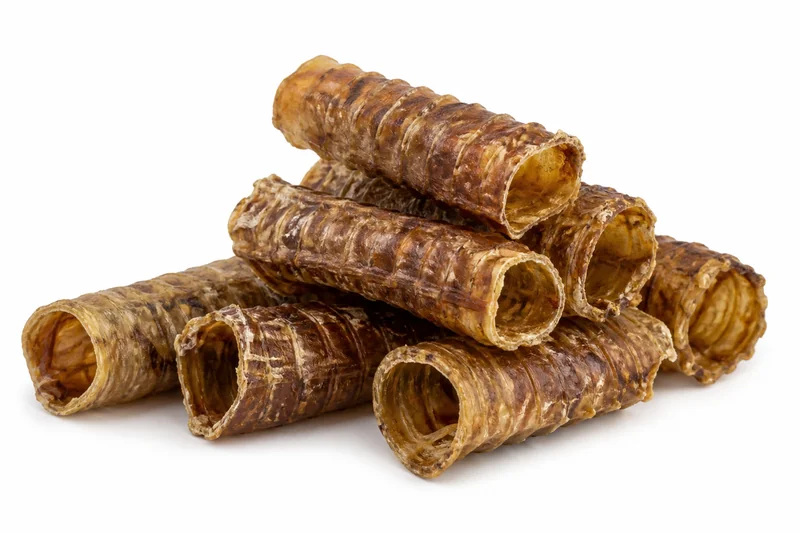
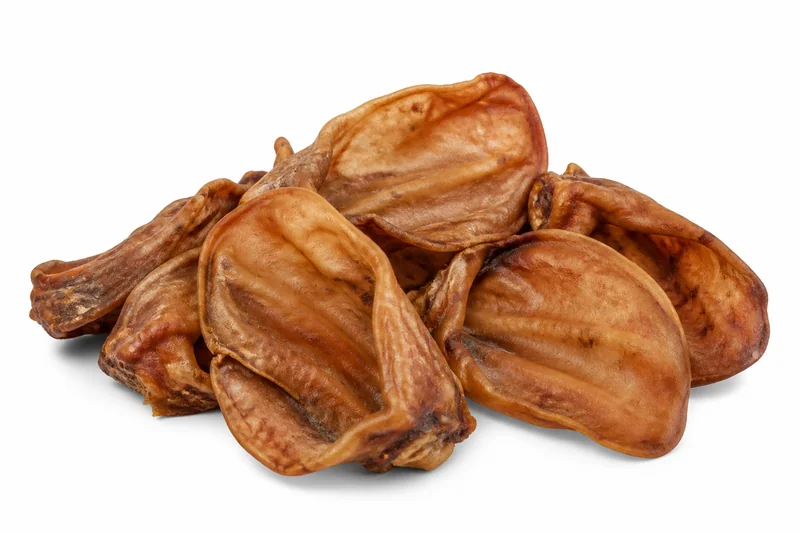
Beef Trachea
Natural cartilage chews that support longer chew sessions with lighter density.
Learn More
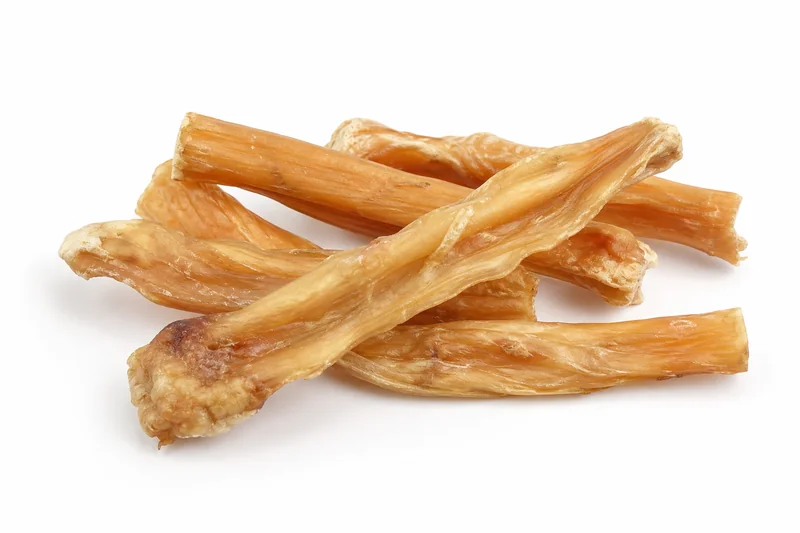
Turkey Tendons
Lean protein strips that satisfy light to moderate chewers without heavy grease.
Learn More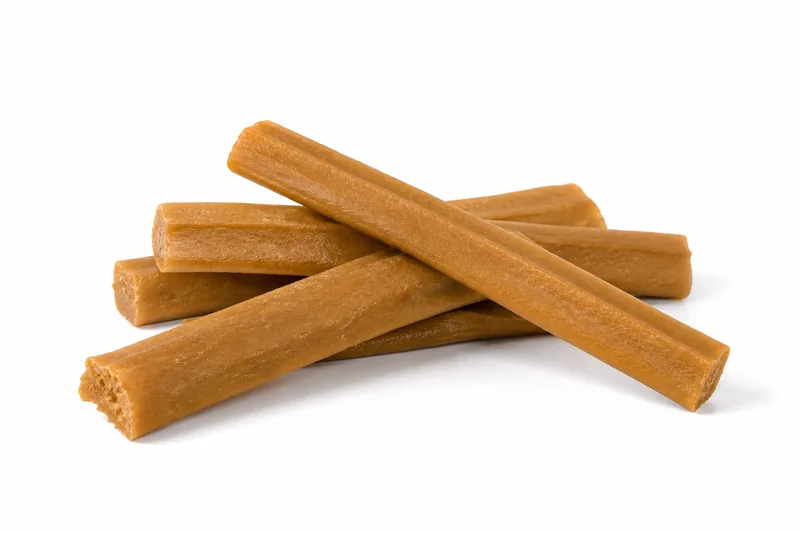
Peanut Butter Chews
Flavor-forward treats that keep picky dogs engaged through longer chew time.
Learn MoreSingle ingredient appeal
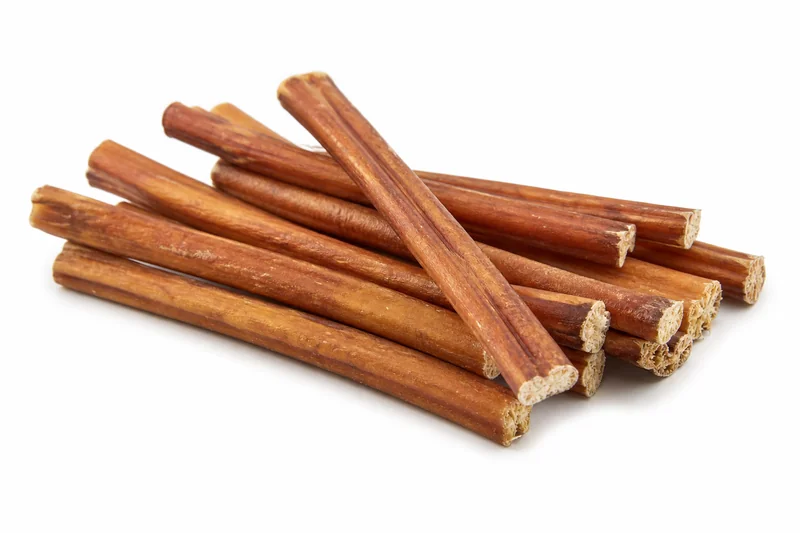
Bully sticks are dried bull pizzle—one protein source with no synthetic colors. That simplicity helps owners of allergy-prone dogs who must eliminate multiple triggers.
Good Lovin sticks come in various lengths and thicknesses. Jumbo sizes suit large breeds; thin sticks fit small mouths but disappear faster.
Odor reality
Natural bully sticks smell like dried meat. Low-odor versions undergo additional processing; they may sacrifice some palatability. If smell bothers you, try near a window or outdoors—many dogs prefer the stronger aroma anyway.
Never microwave bully sticks to reduce odor; uneven heating creates hot spots and splinter risk.
Duration expectations
A thirty-minute session is realistic for many medium dogs on standard sticks. Power chewers may need braided or extra-thick formats from our aggressive chews guide.
Track cost per minute of calm behavior—not just price per stick—to compare value against quick treats.
Dental interaction
Gnawing scrapes plaque on premolars and canines dogs use to shear sticks. Bully sticks do not replace brushing for breeds prone to periodontal disease, but they add mechanical cleaning between brush days.
Watch for slab fractures on dogs that bite straight down. If you hear loud cracks, redirect to softer collagen wraps.
End-of-stick protocol
The last inch is the danger zone. Remove nubs before your dog swallows them. Some owners use a safety holder device; others freeze partial sticks to slow consumption—either approach beats emergency surgery.
Never leave a dog unattended with a stick worn smaller than a golf ball.
Rotation strategy
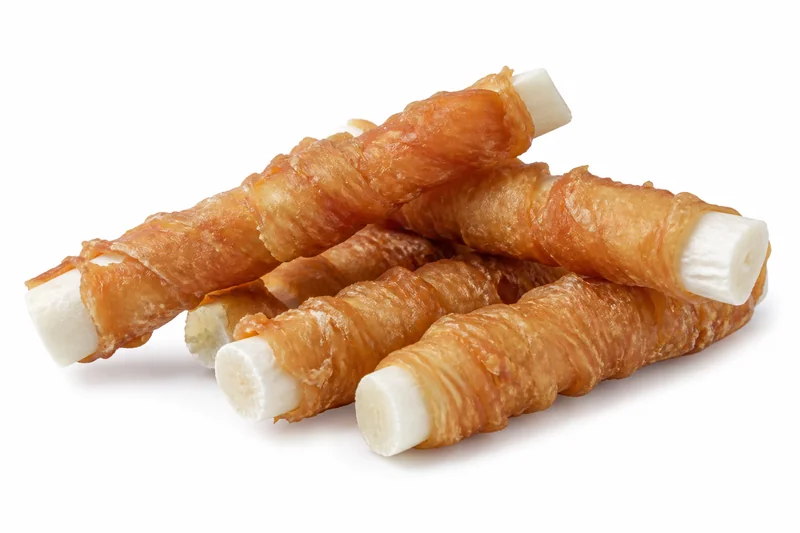
Alternate bully sticks with turkey tendons or peanut butter chews to vary jaw motion and reduce repetitive wear on the same teeth. Variety also prevents boredom when the same smell becomes background noise.
Read owner reviews for batch consistency notes before stocking up during sales.
Travel and outings
Bully sticks pack flat in travel bags and work well at pet-friendly patios if your dog chews calmly. Bring a mat to catch grease and a zip bag for discarded nubs.
Never offer sticks in moving vehicles—sudden stops and choking risk do not mix.
Price versus value
Calculate cost per supervised minute, not sticker price alone. A twelve-inch stick that delivers forty minutes beats a cheaper pack finished in ten.
Warehouse clubs sometimes stock thicker sticks at lower unit cost—verify thickness matches your dog before buying club multiples.
Practical tips
Bully sticks entered American pet culture as owners sought long-duration treats that were not rawhide. Good Lovin positions them as everyday staples rather than luxury gifts—pricing reflects that accessibility mission.
Thickness grading is informal industry-wide. What one bag labels jumbo another may call standard. Calipers are overkill, but comparing sticks side by side in store helps until you memorize your preferred profile.
Odor-sensitive owners sometimes designate outdoor chew time. Balconies, patios and fenced yards contain grease better than living rooms. Wipe paws before re-entry if sticks sit on damp grass.
Inventory rotation at home prevents stale product. First-in-first-out rules from restaurant kitchens apply: open older bags before new sale purchases.
If your dog loses interest mid-stick, do not force completion. Partial sticks sealed in the fridge last a day or two for the next session—label the bag so humans do not mistake them for human snacks.
Owners often overestimate how long a chew will last and leave the house mid-session. Treat every chew like a stovetop pan—active while in use, never unattended.
Switching proteins too fast after diarrhea guarantees confusion about triggers. Reintroduce one chew category at a time with vet guidance when symptoms were serious.
Ignoring weight gain while increasing treat frequency is a common slip. Chews count toward daily calories even when labeled natural or single-ingredient.
Giving chews to settle every minor whine teaches demand barking. Reserve high-value shapes for structured calm time, not every vocalization.
Good Lovin chews work best inside a weekly rhythm rather than random surprises. Dogs learn to expect calm gnaw windows after walks or before you sit down for dinner, which reduces begging and destructive scavenging elsewhere in the home.
Keep a dedicated chew log for two weeks when trying a new category. Note minutes chewed, stool quality next morning, and whether your dog guarded the item. Patterns emerge faster on paper than in memory.
Households with cats should store chews in latched bins—feline curiosity plus dog protein scent creates counter heists that end with upset stomachs for the wrong species.
If your dog refuses a chew twice, do not force the third attempt that week. Interest may return after a break; persistence can create negative associations with the smell.
Retail endcaps change seasonally. Photograph facing labels when you find a favorite lot so clerks can locate back-stock even when displays rotate.
Compare odor levels between open-air and enclosed bin storage. Sealed containers concentrate smell but protect sticks from pantry pests and humidity swings.
If guests dislike chew aroma, schedule sessions after visits rather than during entertaining—simple hospitality planning prevents friction.
Jamie Porter covers canine chew safety and nutrition for Good Lovin' Dog Chews. This guide is editorial and independent.